Chinese stock market crash 2015: Capitalism is not in crisis – but China’s phoney model is

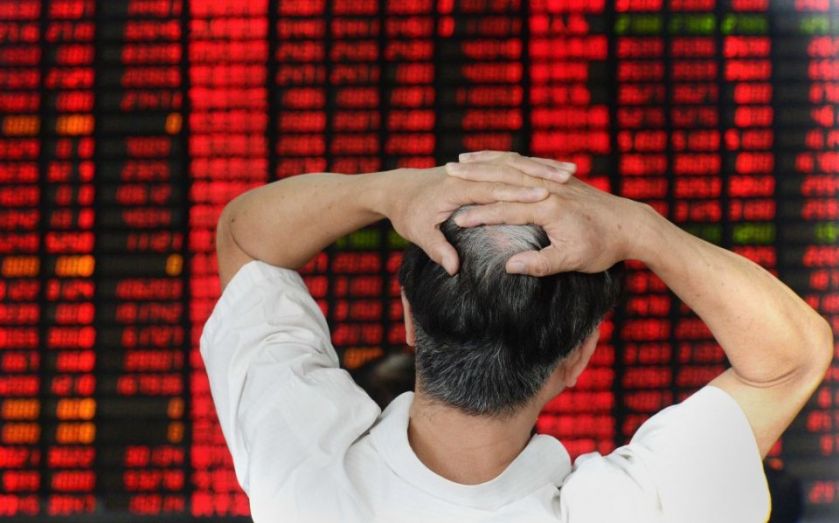
There's nothing quite like a bout of market volatility to prompt a round of gleeful crowing from the usual suspects that “capitalism is in crisis”.
This rather seems to miss the point that failures and successes, winners and losers are all essential and necessary components of an effectively functioning free market.
What the current market turmoil does signal, however, is that the fault-lines in Communist China’s economic model can no longer be papered over.
The once fashionable view that Beijing had somehow managed to effectively integrate capitalist economics into an authoritarian political system has proven little more than a mirage.
That is not to deny China’s considerable achievement in successfully making a rapid transition from a primarily agrarian country into the world’s leading manufacturing nation and second largest economy.
On this remarkable journey, China has adopted many of the trappings of capitalism, including domestic stock exchanges, widening property ownership and the ability for people to become fabulously rich.
Scratch beneath the surface, however, and it is abundantly clear that China has embraced a phoney version of capitalism that looks increasingly fragile.
In a capitalist economy, the market is an information system, the corollary of millions of individual choices and continually self-adjusting, where the default and bankruptcy cycle provides a process of creative destruction and room for vibrant new entrants to emerge.
In China, however, top down plans and political and bureaucratic direction continue to take precedence and this has resulted in a dangerously unbalanced model.
While the Chinese leadership has publicly declared a commitment to a reformist agenda, inefficient state-owned industries have been allowed to merge, creating virtual monopolies in sectors like shipping and rail infrastructure.
Likewise, publicly-listed banks, which are nevertheless controlled by the state, have been dragooned into buying up uneconomic local authority debt. The near absence of defaults and bankruptcies that has resulted from this chronic misallocation of capital has contributed to a build-up of excess capacity.
More recently, China’s attempts to first encourage equity investment and then take ever more desperate measures to try and halt the subsequent rout, steps which are estimated to have involved $300bn in state orchestrated buying, are a further reminder of the government’s pervasive influence.
Coupled with increasingly bellicose rhetoric blaming speculators, short-sellers and “underground banks” for their woes, international confidence in the credibility of Chinese authorities – for whom prestige and recognition of China as an emerging superpower are important – has taken a serious blow.
The health of the Chinese economy matters to all of us, as it has been the key powerhouse driving global growth since the financial crisis.
If it can migrate to a more open economic model where the state takes a back seat and the vast potential of the Chinese consumer is allowed to develop, this can still yet prove to be an “Asian century”.
But to achieve this, pro-reform forces in Beijing need to prevail. In this respect, China is still at a very early phase in tackling serious structural issues like the unwinding of leverage in the system.
How it addresses these challenges, and whether it can take decisions that may be painful in the near term but that will build a firmer foundation for long-term sustainable growth, will have potentially serious repercussions for the global economy.