The fossil fuel divestment campaign is deeply misguided

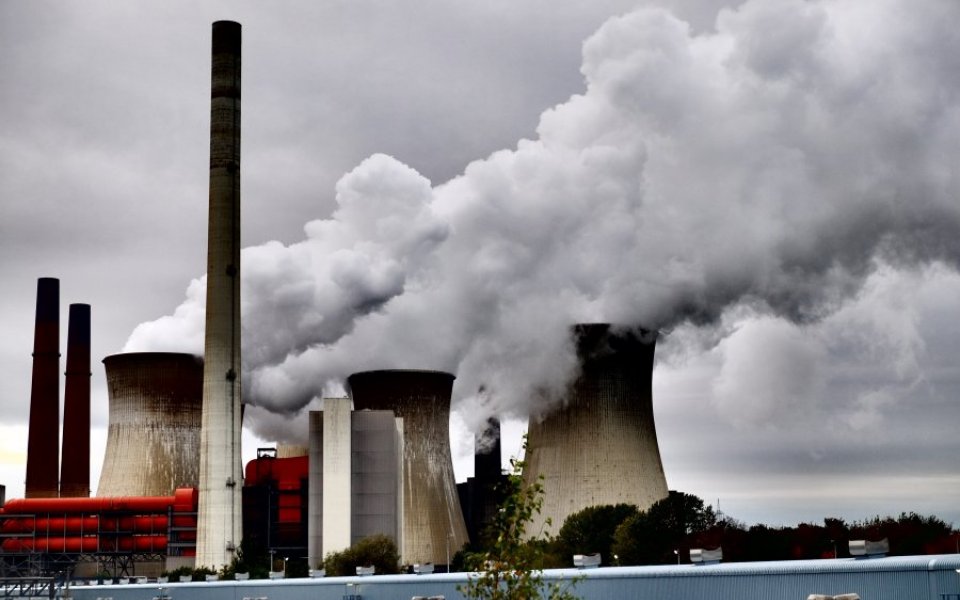
In theory, the increasingly noisy campaign for fossil fuel divestment, which aims to convince people and organisations to get rid of their shares in fossil fuel companies, could be an excellent example of consumer pressure in action: few of us can do without petrol or electricity, but we can signal our disapproval of the businesses that provide them by refusing to invest. And divestment is now big business, with a report in September finding that investors with $2.6 trillion in assets had pledged to withhold their funds from fossil fuels.
Except this strategy is deeply problematic. Not only is divestment likely to be costly for investors over the long term, it’s unlikely to make any difference to the activities of the companies being targeted, while implicitly denying them any role in dealing with environmental damage. Why?
With oil prices so low and energy major profitability depressed, it might make sense to sell out of the likes of BP and ExxonMobil. This is often the argument used by divestment proponents when faced by overwhelming evidence that, historically, portfolios which excluded fossil fuel companies performed poorly compared to those which included them. A recent study by Daniel Fischel of the University of Chicago, for example, found that a divested portfolio yielded 0.70 percentage points on average less annually than a non-divested portfolio over a 50 year period.
But artificially excluding certain stocks also damages an investor’s ability to diversify risks – and the cost of this lost diversification is not negligible. It might be possible to get the same – or even better – returns as fossil fuels from other investments, but what does that do to the level of risk in a portfolio?
According to a recent report by Europe Economics, and using data from the FTSE All-Share index between 2002 and mid-2015, if an investor wished to boycott fossil fuel stocks and was not willing to accept lower returns, he or she would have had to take 20 per cent more risk. The same divested investor would have sacrificed the equivalent of an annual return of 0.68 percentage points over the period if they wished their level of risk to remain the same.
These sorts of statistics should preclude taxpayer-backed public pension funds from adopting a divestment strategy. But individuals willing to sacrifice returns (or add risk) themselves should also be cautious. As William MacAskill, author of Doing Good Better, noted in the New Yorker, “if the aim of divestment campaigns is to reduce companies’ profitability by reducing their share prices, then these campaigns are misguided”.
Aside from the fact that there is a loose relationship between a business’s share price and its bottom line, if you sell a stock in a going concern, someone else with fewer scruples is likely to snap it up – and there are so-called “sin-vestors” willing to do exactly that. MacAskill points to studies of divestment campaigns in industries like weapons, gambling, pornography and tobacco which found that they have little or no impact on share prices. As long as there are economic incentives to own a stock, investors will want to own it.
Finally, the blinkered moral certainty of those who push divestment ignores that fossil fuel companies themselves have incentives – whether ethical, economic, or regulatory – to do something about environmental damage. Stigmatising them may make some people feel better, but such virtue signalling is unlikely to make the world any cleaner.