Cash is no king: But there are some high interest paying current accounts

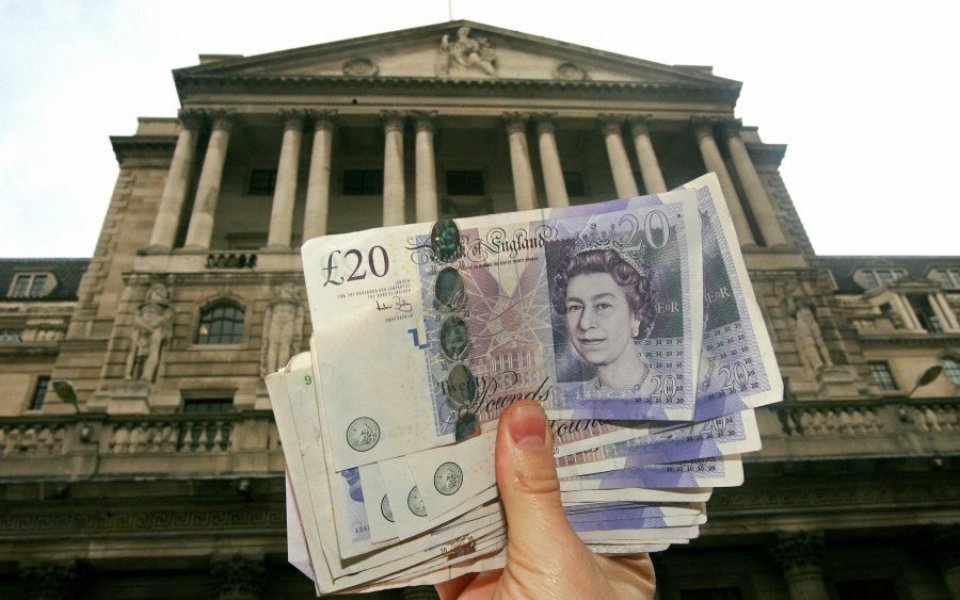
With the UK’s low-interest rate environment likely to continue well into next year, few would claim that cash is king. But at a time of meagre bond yields and volatility in equity markets, cash is no pretender either.
The attractiveness of easy-access accounts has weakened in recent years, with most providers offering less than 1.5 per cent a year, with tax then deducted. But since the government launched the Current Account Switch Service in September 2013, more than 2m people have changed accounts to get the best deal, stoking competition in the sector. Current account holders can currently earn 3-5 per cent on savings up to £20,000. Better still, most banks allow their customers to open a second main or joint account, effectively doubling the balance earning the top rates.
And from April 2016, current and savings accounts won’t look like cash Isas’ poor cousins any longer. Higher rate taxpayers will be able to earn £500 in interest tax-free and basic rate taxpayers £1,000. But gaining the best rates from bank and building societies is a tricky business, involving close reading of the terms and conditions and constant switching. So what is the best strategy to adopt?
First of all, you need to assess whether a high-interest account will generate the highest return on your non-Isa cash savings. A number of banks are offering a one-off tax-free switching bonus to tempt new customers. Clydesdale and Yorkshire Bank are giving £150 to anyone who switches before 30 November, and Halifax and First Direct each offer £100 bonuses. These are not huge amounts of money, but they should certainly be a consideration for higher rate taxpayers depositing up to £3,000 a year, given that they only stand to net £60 of every £100 earned in interest until the tax rules change next April.
And even if a current or savings account comes with an attractive headline rate of interest, it may be cut significantly after the first 12 months. “Be aware of any terms, conditions or stipulations on the accounts that could affect the rate of return you get,” warns Kevin Mountford, head of banking at MoneySuperMarket. “Many of the higher rate in-credit accounts require customers to meet a minimum funding amount, and can also come with high charges for dipping into an unauthorised overdraft, so it is important to check what’s involved before you switch.”
Frustratingly, the best rates are only available on relatively small deposits. Nationwide’s FlexDirect account pays 5 per cent on amounts up to £2,500. But it requires a minimum monthly funding of £1,000, and you must remember to switch after 12 months, after which the interest rate falls sharply to just 1 per cent. Next, take a look at the TSB Plus Account, which delivers the same interest rate, but only on deposits up to £2,000. By circulating a sum of at least £1,000 each month between these two accounts, you can make sure you cover their minimum deposit requirements and make a £225 return per year on £4,500 of savings.
For savers with more to play with, the Santander 123 account stands alone in the class, paying 3 per cent interest on deposits up to £20,000 (as long as you keep £3,000 in the account) for a £2 monthly fee, although this will increase to £5 in January 2016. It offers a deposit limit four times higher than its closest competitor, Lloyds Bank’s Club, which pays 4 per cent, but only on balances between £4,000 and £5,000, and the interest rate will halve if your balance falls below the £4,000 threshold.
Like Santander, at Lloyds, two monthly direct debits are required, but customers can choose between making a £1,500 monthly deposit or paying a £5 monthly fee. “Speak to a bank or financial adviser,” says Adrian Lowcock, head of investing at Axa Wealth. “Sometimes there are very attractive rates which are not widely available, or marketed, which might be suitable for high net worth individuals.”
Ultimately, your strategy for saving cash should be based on your time horizon. The main advantage of cash is that you can access it easily should you need to, and this should be a real consideration when deciding between a high interest account and a long-term option for your cash, such as fixed term bonds.
“The better rates on cash are in fixed term bonds which have anything from one to six years until the money is released,” says Lowcock.
“The longer the maturity, the higher the rate will be because banks prefer the longer dated accounts.” But there is a downside. You won’t be able to access your money without sacrificing the interest, and the rate will remain fixed even if the Bank of England does put up interest rates.