Skip to content
Friday 28 August 2026London --:--Frankfurt --:--Zurich --:--
NewslettersSearchEN · DE · FR
MorningWire

European business, markets and politics

FTSE 100
10,824.26
+0.29%
DAX
26,569.99
+0.77%
CAC 40
8,401.18
+0.98%
STOXX 50
6,485.67
+0.95%
  • Europe
  • Markets
  • Business
  • Economy
  • Regulation
  • Politics
  • Opinion
More
GermanyFranceEU InstitutionsCompetitionPublic AffairsBankingTechnologyEnergy
  • Germany
  • France
  • Europe
  • Markets
  • Business
  • Economy
  • Regulation
  • Politics
  • Opinion
  • DE
Monday 11 January 2016 3:54 pm

Flood-o-nomics: Why floods such as those in northern England, Scotland and Ireland keep affecting so many people

By: Jessica Morris

Add as a preferred source on Google

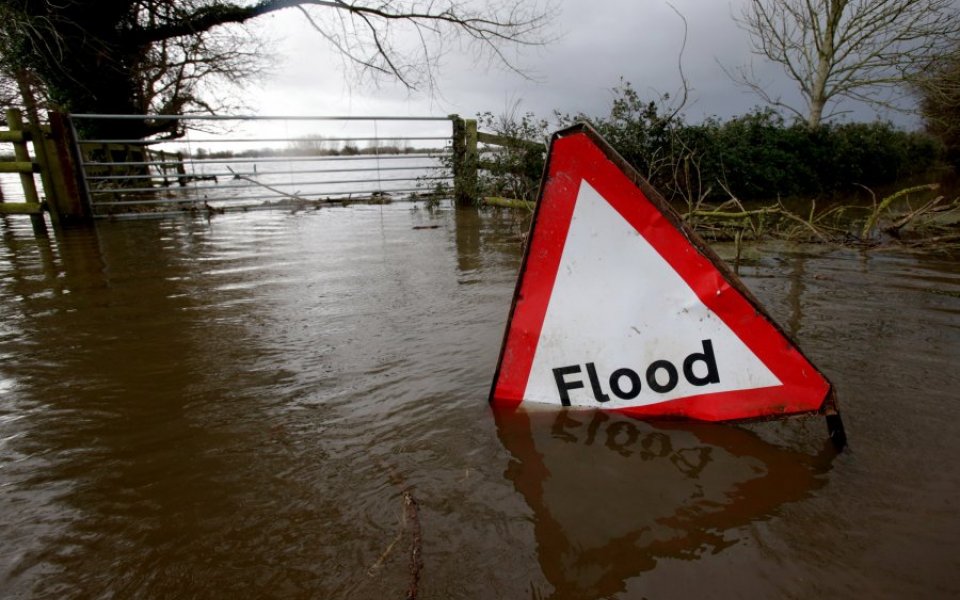
The rain that fell during the last few weeks has resulted in widespread flooding across northern England, Scotland and Ireland.

But the misery that these floods are inflicting is part of a major global problem. Over the past 30 years, floods that took place around the world killed more half a million people and displaced more than 650m people.

In a new study published by the Centre for Economic Performance (CEP), we examine why so many people are hit by floods year after year. In particular, we ask whether urban populations respond to massive floods by moving to safer areas.

We study the effects of more than 50 large floods, which displaced at least 100,000 people each, in over 1,800 cities in 40 countries from 2003 to 2008.

We find that low-lying urban areas are hit much more often by large floods, and yet they have a higher density of economic activity. When cities are hit by large floods, these low-lying areas also sustain more damage – but like the rest of the flooded cities, they recover rapidly and economic activity does not move to safer locations.

Read more: Storm Desmond could cost insurers between £175m and £250m

So why do people not respond to floods by moving to safer areas?

Part of the problem is that many historical cities were built near rivers and coastlines, and for many centuries they benefited from lower transport costs. Nowadays modern land transportation makes these historical benefits less important, while rising sea levels and a changing climate are putting more of these cities’ residents at risk of flooding.

But history is not the only reason why flood-prone locations are overpopulated. Since the responsibility for building and maintaining flood defences and compensating flood victims often falls to the government, private developers do not internalise the full cost of building on cheap land in flood prone areas.

As a result, too many homes are built in areas that are prone to flooding. Many people, who are trying hard to find new homes in a tight housing market then move in, and the population at risk of flooding keeps growing. To contain this problem we should, at the very least, tighten the control over construction in flood prone areas.

Share this article

  • Facebook
  • X
  • LinkedIn
  • WhatsApp
  • Email

Similarly tagged content:

Sections

  • Markets & Economics
  • News

Categories

  • Business
  • Economics

Trending Articles

  • Pensioners to hand over bank statements in government benefits crackdown

  • Jamie Carragher: HMRC petitions for Sky Sports star to be declared bankrupt

  • Brewdog founder James Watt hits out at ‘total silence’ over new venture

  • Lloyds Bank and Halifax users unable to use app in latest outage

  • Economists urge Bank of England to halt bond sales as borrowing costs climb

More from Morning Wire

  • MTG-I2 Safely in Orbit, Unlocking Faster and Sharper Weather Monitoring Across Europe

    Business Wire
  • Northern Trust Expands Relationship with First Sentier Group to Support Irish Fund Structure

    Business Wire
  • Hammersmith Bridge is a test for Burnham’s place-based growth

    Opinion
    Hammersmith Bridge closed in 2021 with fencing, banners, and traffic cones blocking access to the walkway.
  • A global tram renaissance is underway. Why isn’t London jumping on board?

    Opinion
    London tram 1925 with Last Tram Week sign in front of the Houses of Parliament and Big Ben, 1952.
  • Strzala Architects and Corgan to Support Major Capital Investment Programmes for UK’s Manchester Airports Group

    Business Wire
  • Elavon renews partnership with Sage to simplify payments for growing businesses

    Business Wire
  • Vercel Appoints Amit Agarwal, Standard Template Labs CEO and former Datadog President, to Board of Directors

    Business Wire
  • Why The Outer Hebrides is Scotland’s ultimate wellness escape

    Life&Style
    Aerial view of Outer Hebrides coastline, turquoise sea, white sand beach, green fields, and scattered homes.
MorningWire

Independent European business, markets and political news for decision-makers.

Morning Briefing

Europe

  • Germany
  • France
  • EU Institutions
  • Europe

Business

  • Markets
  • Business
  • Economy
  • Regulation
  • Competition
  • Public Affairs

Editorial

  • Opinion
  • Editorial Policy
  • Corrections
  • Contact

Company

  • About Morning Wire
  • Privacy Policy
  • Terms of Use
  • Cookie Policy
© 2026 Morning Wire Ltd · Published by Morning Wire Media, Bahnhofstrasse 65, 8001 Zürich, Switzerland
Privacy · Terms · Cookies · Facebook