Skip to content
Monday 24 August 2026London --:--Frankfurt --:--Zurich --:--
NewslettersSearchEN · DE · FR
MorningWire

European business, markets and politics

FTSE 100
10,813.43
-0.03%
DAX
26,061.97
-0.29%
CAC 40
8,467.39
-0.20%
STOXX 50
6,446.79
-0.24%
  • Europe
  • Markets
  • Business
  • Economy
  • Regulation
  • Politics
  • Opinion
More
GermanyFranceEU InstitutionsCompetitionPublic AffairsBankingTechnologyEnergy
  • Germany
  • France
  • Europe
  • Markets
  • Business
  • Economy
  • Regulation
  • Politics
  • Opinion
  • DE
Monday 18 January 2016 7:25 pm

Economists: Iran faces barriers to strong growth

By: Chris Papadopoullos

Add as a preferred source on Google

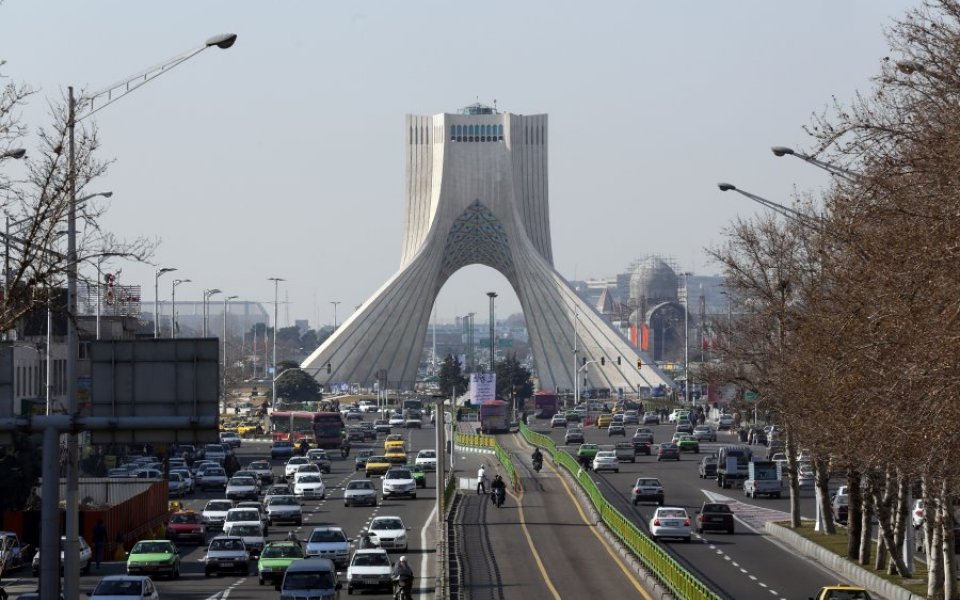
The lifting of sanctions against Iran has not erased pessimism over the future of its economic growth.

Iran’s economic growth plummeted after sanctions relating to its nuclear programme were put in place. Yet some are warning the removal of restrictions may not mark a return to high levels of pre-sanctions growth for a sustained period.

“Given the large amount of spare capacity created by the impact of sanctions, we think it’s plausible that the Iranian economy could enjoy a period of growth of somewhere in the range of six per cent to eight per cent a year for a few years,” said economist Jason Tuvey from Capital Economics.

“However, once this spare capacity is used up, we fear that the economy’s growth prospects will be hindered by deep-seated structural problems.”

The lifting of sanctions gives Iran access to the global oil market and unfreezes billions of dollars held in foreign bank accounts. However, another factor that is likely to hinder its post-sanction recovery is its limitied access to global currency markets and the threat of sanctions returning.

“A degree of trust has been built between Iran and the West around Iran’s nuclear programme, however there is the potential for sanctions to ‘snap back’ into place if the agreement fails,” said Neal Dawson, head of anti-money laundering and sanctions at financial services giant KPMG.

“If this happened it could leave investors unable to make or receive payments relating to Iran, and leave lenders with a credit exposure that cannot easily be managed.”

While many of the restrictions that cause Iran’s economy to suffer so heavily have been lifted, many important ones remain in place. There are still restrictions on its ability to process foreign currency payments.

“Until Iran has free access to global payment systems corporates will find it problematic to conduct business with the country. International traders and investors will want to see reduced exchange rate volatility and rationalization of the current system of official and free market rates,” said economist Ludovic Subran from Euler Hermes.

Share this article

  • Facebook
  • X
  • LinkedIn
  • WhatsApp
  • Email

Similarly tagged content:

Sections

  • Markets & Economics
  • News

Categories

  • Business
  • Economics

Trending Articles

  • Can debt-ridden Morrisons become a Big Four supermarket again?

  • Ratcliffe’s Ineos saves Runcorn plant

  • Amazon says it buys books in bulk to ‘improve products’

  • House prices in wealthy London boroughs fall by up to £300,000

  • HMRC mansion tax inspectors to target homes for property valuations

More from Morning Wire

  • FTSE 100 Live: Stocks shaky; US to unveil ‘economic D-Day’ Iran sanctions

    FTSE 100 Live
    Live blog placeholder image for a general news article on a business website, featuring a neutral background and subtle de...
  • Donald Trump is creeping towards a shrewd sanctions policy

    Opinion
    Donald Trump holding a red TRUMP 2028 hat, wearing a tuxedo with an American flag in the background
  • As it happened: Intel, Arm shares slide; Oil climbs higher

    FTSE 100 Live
    Donald Trump smiling and holding a small golden ball, wearing a blue suit and red tie.
  • Iran war could ‘halt growth’ across UK economy 

    Economics
    Andy Burnham, Mayor of Greater Manchester, in a dark suit and glasses, listening intently at a wooden table.
  • UK economy weathers Iran war shocks but slowdown incoming

    Economics
    Chancellor John Healey smiling, wearing a navy suit, white shirt, and red tie.
  • Manufacturers overcome gloomy economy as output surge continues

    Industrials
    Manufacturing sector faces mounting tribunal pressures amid economic uncertainty
  • As it happened: UK stocks cool after Astrazeneca drags; Trump and Iran clash over peace talks

    FTSE 100 Live
    Donald Trump speaking at a desk, gesturing with hands, wearing a dark suit and red tie.
  • As it happened: Oil prices tumble as Bessent says US-Iran deal imminent; miner stocks rally

    Markets
    Scott Bessent, a man with gray hair and glasses, wearing a blue suit and striped tie, looking to the side.
MorningWire

Independent European business, markets and political news for decision-makers.

Morning Briefing

Europe

  • Germany
  • France
  • EU Institutions
  • Europe

Business

  • Markets
  • Business
  • Economy
  • Regulation
  • Competition
  • Public Affairs

Editorial

  • Opinion
  • Editorial Policy
  • Corrections
  • Contact

Company

  • About Morning Wire
  • Privacy Policy
  • Terms of Use
  • Cookie Policy
© 2026 Morning Wire Ltd · Published by Morning Wire Media, Bahnhofstrasse 65, 8001 Zürich, Switzerland
Privacy · Terms · Cookies · Facebook