A decade on, hubris is the lesson to learn from the tragedy of Lehman Brothers

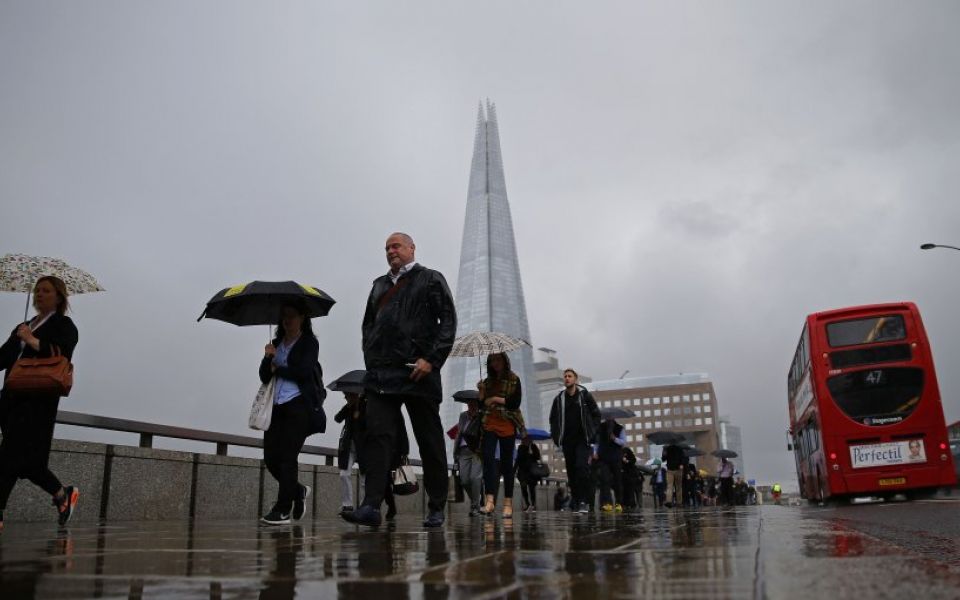
A decade ago this week, the demise of Lehman Brothers marked the height of the financial crisis.
At the time, I was an economist at one of the UK’s largest financial institutions, which gave me abundant insights into the psychological biases at play, both in that institution and in the companies that it supported.
Many of these companies were relatively young and entrepreneurial. As the credit crisis unfolded, and some of these businesses inevitably ran into trouble, their management could always come up with reasons why they would be okay.
Read more: The City can’t afford to be complacent about a future financial crisis
That optimism bias in business-creators is often positive; they need a substantial appetite for risk. And many of those businesses did survive – because they had successful products or services, and because they hadn’t taken on excessive debt.
For those that went under, though, some of that optimism was simply hubris: the excessive self-confidence that provokes the wrath of the gods in Greek tragedy.
But the hubris at the big financial institutions went beyond what we saw with even our boldest business clients. Although few of us can claim to have seen the crisis coming, many of us felt uneasy at the excesses on display in the run-up to the crash.
Our management conference at the end of 2006 epitomised the extravagance – so many people were flown in from far afield that it caused complete gridlock in the city.
A year on, as short-term bank funding dried up, the atmosphere changed. The 2007 conference was held in London. The themes included “teamwork in changing circumstances” and “finding our way through”. Management clearly believed that we would make it through. As it turned out, we didn’t.
As the crisis deepened, institutions like mine came under pressure in both the market and the media. With everyone constantly watching the share price, an “us and them” culture quickly emerged. Company loyalty was clearly a source of temporary psychological strength.
Colleagues constantly complained about short-selling – the practice of trying to make money from falls in a company’s share price. Short-sellers can distort and exploit market perceptions, but they can also be a symptom of deeper-seated problems.
Yet rather than worrying that their jobs might be at risk, most colleagues simply blamed the short-sellers. Senior management also confused symptoms with causes, blaming the institution’s liquidity problem rather than the potential solvency crisis that underlay it.
A couple of days after Lehman Brothers’ collapse, we knew it was just a matter of time for us. Our share price was falling heavily. That week, I ordered a winter coat online. Between my placing the order and paying, the share price had fallen another 10 per cent.
On the last day, I went to the office to file my expenses. I’d taken to doing that more regularly since the crisis began, as well as checking that my salary was going into my bank account. But by the time I’d made the half-hour walk in, the share price was suspended. And that was that.
As in Greek tragedy, hubris was followed by downfall and retribution: a centuries-old institution was brought low by the excesses of a few wild years. As the memory of the sheer panic of 2008 begins to fade, we should be mindful that we remain just as susceptible to biases like these that can blind our judgement in the teeth of a crisis.
Read more: Lehman Brothers 10 years on