The guardians of the art industry: How a former trader is giving old buildings a new lease of life

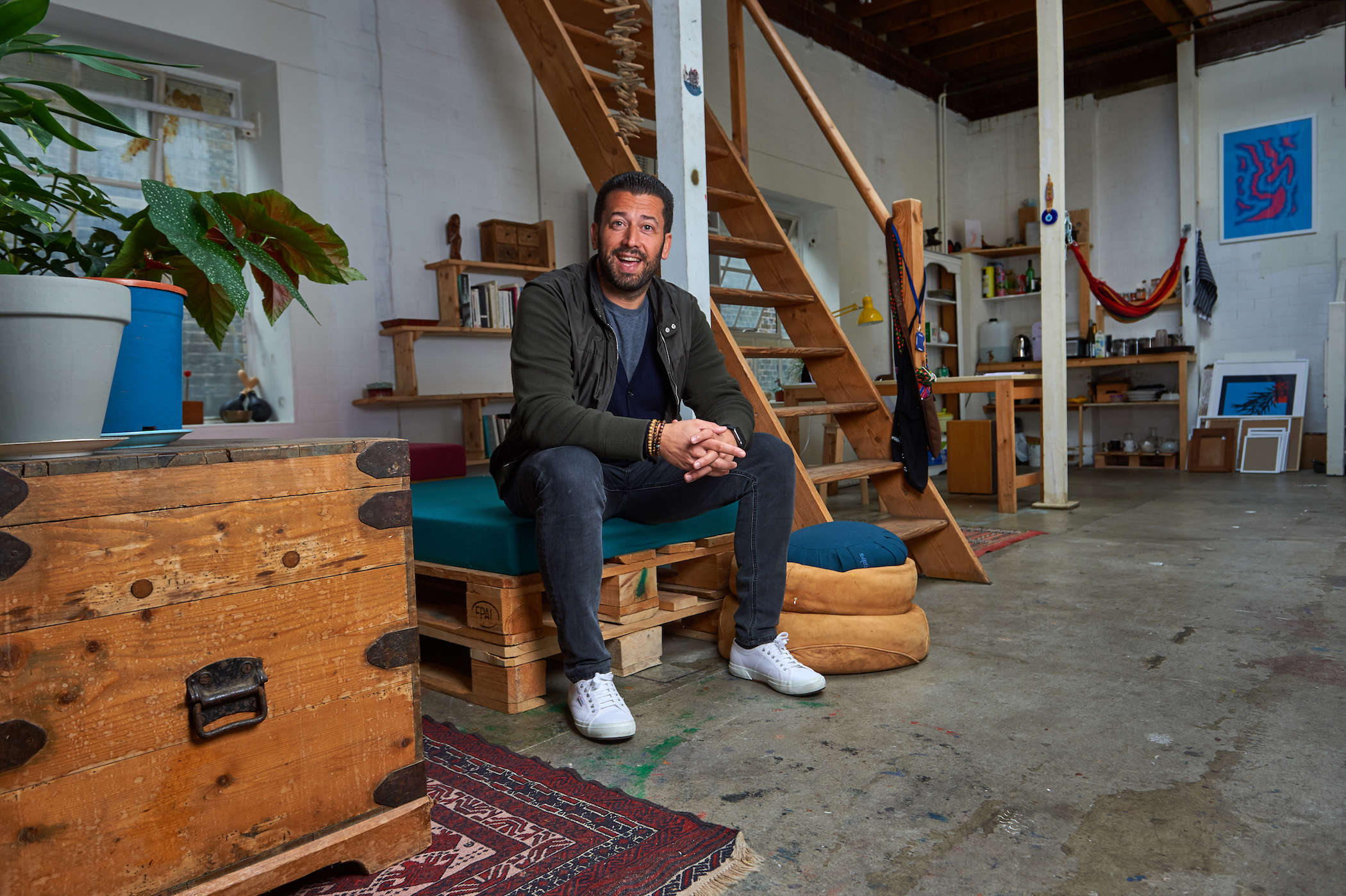
Scott Franklin is like the popular kid at school.
When the former City trader shows me around the renovated Victorian warehouse in Clerkenwell, everyone we pass seems pleased to see him – which strikes me as unusual for someone whose role resembles that of a landlord.
Franklin, who is the founder of Property Guardian Protection (PGP), works with developers to convert empty commercial buildings – such as warehouses, pubs, and office blocks – into cool places to live.
The occupants are called “guardians” rather than tenants – a term which has a celestial ring to it. By occupying these spaces, the guardians are protecting the disused buildings from squatters, while also saving the developers money in security costs. In return, the occupants pay less rent than the market rate in central London.
Originating in Amsterdam, the guardian game is a niche business within the property world. While some see it as akin to squatting, the trendy apartments and studios say otherwise.
The whitewashed walls, high ceilings, and sash windows of these rooms are the antithesis of the cramped cupboards you could expect to rent for the same price in Clerkenwell. On the top floor, Franklin shows me a spacious studio, which an artist is using as both her bedroom and workspace. Seeing half-complete sculptures dotted around the room, it’s clear that the guardians are giving these buildings a new lease of life.
People are becoming generation renters, and I think that’s really sad
Rather than rent in the typical sense, guardians pay a monthly licence fee (starting at £500), which includes utility bills, wifi and council tax. The properties are packed with communal spaces and basic facilities like washing machines, fridges, and cookers.
The downside, of course, is that once the owner of a building gets planning permission (which can sometimes take years), the guardians have one month to vacate the property.
Read more: Everyone panic: Generation Rent is fleeing London
Crisis-point
Founded by Franklin in 2016 during the ongoing housing crisis, PGP’s popularity is partly driven by the company giving young people a choice about where to live.
With 20 properties all around London, PGP is currently housing around 200 people, and most of them work in creative industries. Sky-high rents are pushing artists out of London, and yet Franklin has created a business to encourage them to stay in the city. There are now more than 500 people on the waiting list, including some celebrities; it’s fast becoming the Soho House of the co-living world.
Franklin is scathing about the state of the housing market. “People can’t afford to get onto the housing ladder because the targets to build new houses aren’t being reached, and the homes that are being built are not helping those at the lower end. People are becoming generation renters, and I think that’s really sad. Unless you’re funded by the Bank of Mum and Dad, you’ll find it difficult to save enough for a house while paying rent.”
While his company can’t directly fix the housing supply issues, he reckons that this model can help people get on the property ladder. He points out that if, say, a guardian is only paying £600 a month in rent through PGP, rather than £900 in the traditional rental market, they could eventually save enough money to buy their own place.
“I don’t want to see them in three years time, because hopefully by then, they’ll be homeowners.”
Read more: Generation rent? Now the government wants to help you out
The Grenfell effect
PGP might only be two years old, but Franklin calls his company the “grown-up version” of property guardianship. “When I modelled this business, I quickly realised that it could be done better. There are lots of empty buildings, and the demand is there because people need to be housed cheaply in the capital.”
Franklin stresses the importance of compliance, particularly in light of the Grenfell Tower disaster. PGP spends between £30,000 and £150,000 on health and safety equipment, and installs communal showers and kitchens in every building – even if they are only occupied for a short time.
The company also aims to be transparent with the guardians, updating them on where the owners are in the planning stages. “We always tell the guardians what’s going on – we don’t want to promise them too much,” the founder says.

Trading places
Franklin, who was raised in a traditional Jewish household, spent 25 years rising through the finance ranks to become a successful trader, working for the likes of Goldman Sachs and Merrill Lynch.
It was the shift towards algorithm trading which prompted him to quit while he was ahead. “I don’t profess to be anything more than a momentum trader, but in the last five years we’ve seen algos take over, making people like me obsolete.”
That’s not to say he hasn’t been able to use his understanding of the trading world to build his business. “I’ve got a risk background, so I don’t mind taking on a building for a break-even point – because I’ll always bet on planners being slower than other people think.”
It’s often a case of weighing up whether it’s worth taking on a building (PGP would consider a lease of anything over five months), as well as how much the company should spend installing temporary features. “We keep the buildings on life support – we patch things up, rather than spending loads of money fixing the problem. But of course we don’t want the same problem to emerge next week – it’s a fine balancing act.”
At the moment, Franklin knows all the guardians by name, but the plan over the next few years is to find more buildings and create a community of more than 1,000 people.
For Franklin, who describes himself as a “frustrated creative”, it’s not just about giving young people somewhere to live, but supporting the arts as well. He certainly doesn’t fit into the unscrupulous stereotypes that are often associated with property executives – or traders for that matter.
Essentially, PGP is a mish-mash of the old and new – reviving London’s young communities while bringing life to relics of the past.