A ‘be British’ mandate won’t make up for seasonal workers picking our fruit

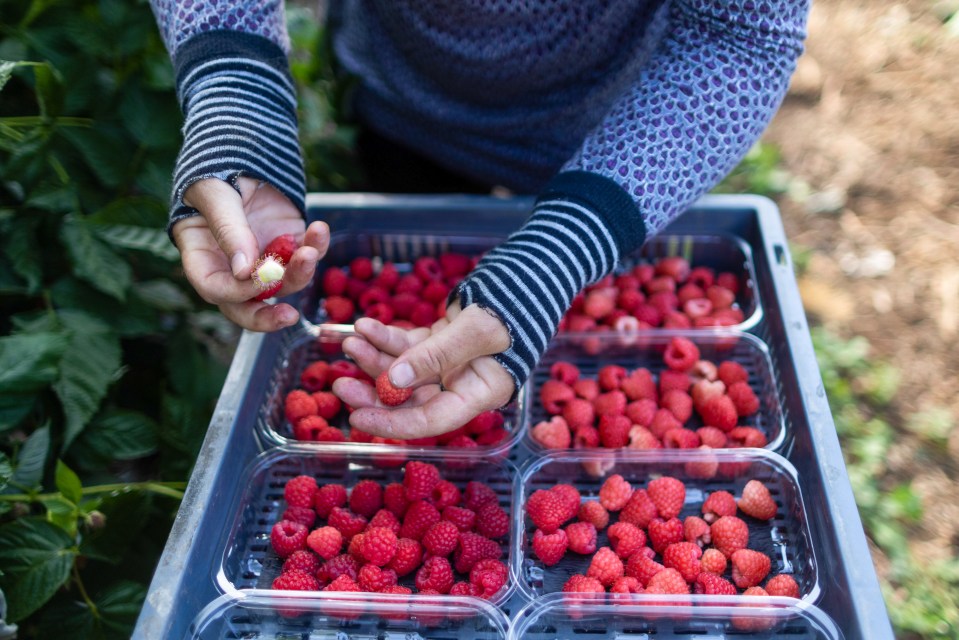
Bringing back “pick for Britain” won’t solve the problems of seasonal workers who come to the UK and find a substandard job market ripe for exploitation, writes Elena Siniscalco
With prices on the rise and supermarkets under the spotlight – and even accused of profiteering – food infrastructure has shot up on our priorities list. And yet, an independent review, commissioned by the government, is trying to do away with a group of people who are key to getting fresh food on our tables.
Over the last few years, we’ve become more aware of the people picking our fruit. During the pandemic, we were urged to “pick for Britain” after travel restrictions hollowed out our supply of overseas labour. But the review, chaired by food industry veteran John Shropshire, effectively recommends bringing back pick for Britain as government policy. It calls for better recruitment tactics and training of the UK workforce, to eventually get to a point where pickers are sourced from the domestic workforce.
In 2021, the UK agri-food supply chain employed 4 million people, which is 13 per cent of the total UK workforce. People working in British fields historically come from Eastern Europe, but since 2016 there has been a steady decrease in the number of EU migrants working in the British food supply chain. A high number of these workers used to come from Ukraine and are now stuck in a warzone.
So the UK started recruiting from South Asia, which brought its problems. People coming to the UK to work on a six months-long seasonal worker visa often pay lots of money back home to middle-men agencies – something illegal here – and don’t manage to recoup the costs, entering what is described as “debt bondage”.
Both of these issues were at the forefront of the review. And of course, cutting down on supply-chain abuses is a noble aim. But central to this is simply preventing as many people coming from overseas. The very fact of this problem is a testament to why Brits don’t want to pluck apples from trees in September.
Farming is an unpredictable industry, victim to the whims of nature; this means seasonal workers sometimes spend more to come to the UK than what they earn here. According to a report by the Land Workers Alliance and others released yesterday, seasonal workers picking soft fruit retain around 7.6 per cent of the total retail price of the produce. The supermarket gets 54.7 per cent of the value, and the farm gets 26.2 per cent. The report also finds the average pay of migrant farmworkers to be below the absolute poverty threshold.
To be fair, the authors of the review do recognise the vulnerability of this group of people, who usually have zero connections here and are afraid to speak up for fear of losing their visa. It recommended that “any new scheme must reduce labour exploitation risks by establishing an appropriate legal framework” for seasonal workers. It suggests lengthening visas so that seasonal workers can stay here longer, work more and “offset incurred costs”. It points to the “employer pays principle” accepting employers should cover NHS health surcharges, but it doesn’t say anything about recruitment-related fees incurred by workers.
The review rightfully suggests the visa scheme should remain in place for at least five years. The UK doesn’t have the local workforce needed to keep the engines of the food machine running. A total of 45,000 visas will be available this year, with 10,000 more to hand if the government decides to. Home Secretary Suella Braverman can claim we shouldn’t “forget how to do things for ourselves” all she likes, but the reality of UK farms remains one of job vacancies – especially for brute labour.
But what should have been central to this review is a stronger acknowledgement of the holes within the system, rather than trying to patch it over with a desire to just “be more British”. Bringing in more people through this visa scheme when basic problems haven’t been fixed would be irresponsible. You can’t base an entire industry on the precarious bet that people are so desperate for jobs that they will still come even if work conditions are inadequate.
Equally, the pressure on supermarkets to be responsible in their practices must extend all the way back through their supply chain. There has to be an industry response in how farms work with recruiters. The process must be streamlined, and agencies in the UK must take responsibility instead of shrugging off anything illegal that happens in the workers’ countries of origin before they come here.
We’re not the first country to struggle with this. In a letter to immigration minister Robert Jenrick, seen by Morning Wire, workers rights and employment lawyers point to the example of the Malaysian and Bangladeshi governments working together to recruit agricultural workers. Thanks to their cooperation, fee payment from workers to agencies was reduced by 8 to 10 times. Mexico and Canada have a similar arrangement.
Ensuring this industry works transparently is possible; the risk is that this government will put it on the shelf of the “too difficult to implement” policies and leave it there, or even worse, supplant reform with wishy-washy echoes of nationalism.