A digital pound can’t come with a trade-off for privacy

A digital pound, or “Britcoin”, would transform the financial landscape for better or worse. We must think carefully about its implications for privacy before introducing it, writes Susannah Copson
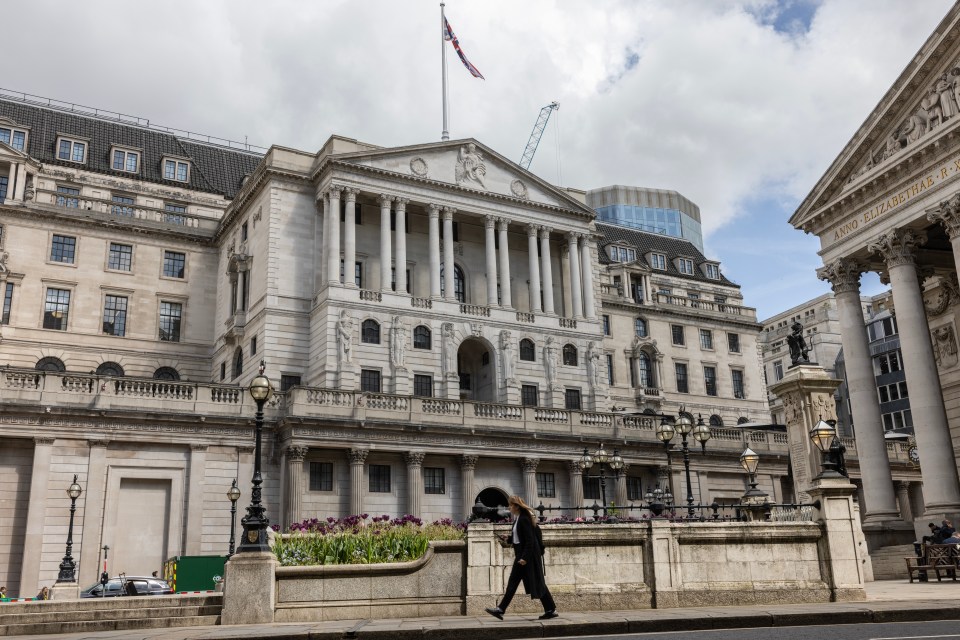
Just a few days ago, the Bank of England and the Treasury closed a public consultation on a major financial policy change that would alter how our economy and society functions. The two institutions have put forward joint proposals to introduce a Central Bank Digital Currency, or “Britcoin”.
This type of currency is on the rise, with 130 countries currently researching, developing or piloting their own versions. As a new form of money they will only be available digitally, not as physical notes and coins. Unlike cryptocurrency, they would be issued by a central bank.
Given the potential impact on the lives of ordinary people, significantly more scrutiny is needed. The Teasury claim Britcoin will come with benefits such as financial inclusion and keeping pace with digitalisation, but the threats that a digital pound would pose cannot be ignored. It could have serious ramifications for both privacy and equality, and before any step forward, these must be addressed.
To begin with, all transactions in such a system will be recorded on a “core ledger”, which can be accessed by permitted parties – or successful hackers. By creating records of people’s spending habits, CBDCs will generate vast amounts of data. Not only will this massively increase the opportunities for unwanted direct marketing and targeted ads by third parties, it will also increase the amount of information the state has access to regarding the public’s identity, income and transaction history.
The Bank of England and government maintain they “would not see any personal data” through a CBDC system. But combined with our existing legal landscape of counter-terror, anti-money laundering, and investigatory powers laws, a CBDC would enable more financial surveillance than ever before.
There also needs to be serious legal protections around how a Britcoin is managed. Even the hypothetical possibility for a digital currency to be programmed in a certain way to direct public spending could cause anxiety and distrust in the system.
Instituting programmability functions would be very difficult to undo, and would provide a dangerous mechanism for bad actors – present or future – to exploit.
Even at a practical level, the Treasury has serious questions to answer about the extent to which a British CBDC could exacerbate digital and financial inequality in the UK. Those without digital access or the right documentation would almost certainly be left behind, with the brunt of this falling hardest on migrants, the elderly and the poorest in our society. The increasing lack of cash in circulation is already doing this.
The debate around these plans is in its infancy. However, within the context of such a serious catalogue of risks, any plans for a Britcoin must come with an equally robust blueprint to protect any threats a digital pound would create. So far, the plans have been criticised as a “solution in search of a problem”, driven by the desire to sprint ahead in the innovation race and do digital currency first; rather getting it right.
A digital pound would undeniably transform the financial landscape and rewrite the relationship between the government, banks, and the public. It’s vital that the creation of a CBDC is considered democratically and isn’t quietly ushered into creation.
The risks are too great to allow a complete rehaul of our financial systems and society without the adequate protections. In racing to innovate, the Bank of England and government must not accept a privacy trade-off.