A requiem for UK equity capital markets

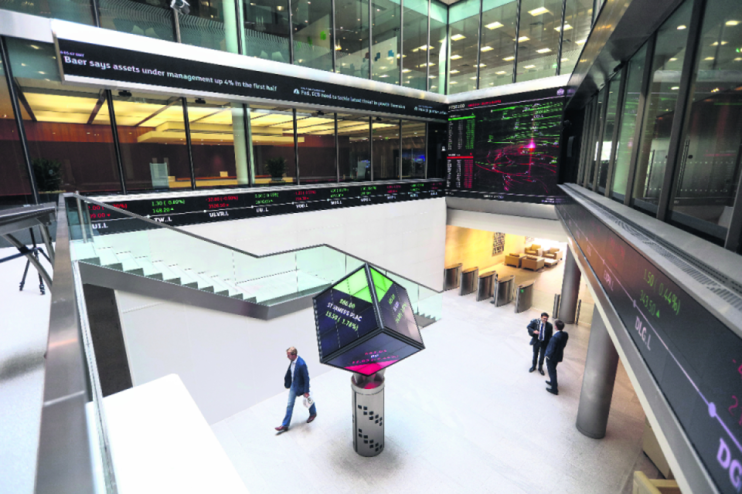
London’s storied status as a global financial powerhouse is slipping away, and with every IPO that doesn’t materialise or company that decamps to the US, it becomes clearer that the City is in its death throes, says Owen Matthews
As a former mid-cap ECM investment banker, I’ve watched with despair as the lights dim on the once vibrant UK equity capital markets. London’s storied status as a global financial powerhouse is slipping away, and with every IPO that doesn’t materialise or company that decamps to the US, it becomes clearer that the City is in its death throes. The headlines speak for themselves: the value of companies fleeing the London Stock Exchange for foreign markets hit an eye-watering £107bn this year. Ashtead’s departure to the US, following the likes of CRH and Flutter, is merely the latest chapter in this dismal saga.
The trend is undeniable, and it’s accelerating – according to accountancy firm UHY Hacker Young, 92 companies have delisted from London’s Alternative Investment Market (AIM) this year. When did we allow ourselves to become a second-rate venue, a ghost town for growth companies? Many of my former colleagues were taken in by Labour’s so-called “pro-growth” agenda before the election. Rachel Reeves was toasted as a “sensible woman” and Keir Starmer was making “all the right noises”, promising reforms to stimulate investment and foster competitiveness. But instead of rejuvenation, Reeves’s autumn budget delivered a hammer blow: £40bn in tax rises, including a brutal hike in national insurance contributions for employers. Business confidence has nosedived to levels not seen since the early days of the pandemic, with the Institute of Directors’ confidence index plunging to -65. The private sector, already struggling under the weight of inflation, Brexit and stagnant growth, has been further undermined by these misguided policies. Surely many of those who cheered Labour’s rhetoric are now grappling with buyers’ remorse.
Many of those who cheered Labour’s rhetoric are now grappling with buyers’ remorse
What’s particularly galling is the simultaneous feeding frenzy by foreign buyers. Over £50bn in bids for UK firms have been launched this year alone, with 45 companies coming under offer. The reasons are obvious: UK valuations are depressed, the pound is weak, and the regulatory burden is heavy. Foreign corporates and private equity firms are circling like vultures, picking off British companies at bargain prices. The impact is devastating. The London Stock Exchange – once the beating heart of the global financial system – is shrinking at its fastest pace ever. This year, just 14 companies have floated on the LSE, a pitiful number dwarfed by the torrent of departures. In contrast, US markets continue to attract listings, bolstered by liquidity, investor enthusiasm, and a business-friendly environment. Even FTSE100 stalwarts like Ashtead, who have arguably performed well on the London markets are abandoning ship, citing the dominance of their US operations and the superior growth prospects offered by New York.
To its credit, the Financial Conduct Authority (FCA) has tried to stem the bleeding with its reforms to the UK Listing Rules. Allowing companies to issue more than 20 per cent of their capital without a prospectus and enabling existing shareholders to participate in fundraisings without onerous documentation are steps in the right direction. But realistically, these tweaks are the regulatory equivalent of rearranging deck chairs on the Titanic. The fundamental issues – low liquidity, high costs, and a lack of retail investor participation – remain unaddressed. MiFID II, the EU directive that unbundled research and execution fees, has gutted research coverage for smaller companies, exacerbating the liquidity crisis. Meanwhile, stamp duty on share transactions makes UK equities less attractive compared to their US counterparts. Where is the bold, radical thinking required to reverse these trends?
For those of us who worked in the City, the decline isn’t just professional; it’s personal. Many of my former colleagues have already gone two years without a bonus. These were people who once enjoyed the promise of financial security for their families, but now I’ve seen some having to pull their kids out of private school – even before Rachel Reeves’s punitive VAT on the fees has taken effect. It’s heartbreaking to witness the ripple effects of the City’s decline on individual lives. For many of us, it feels like the unravelling of a world we once believed was unshakable.
A national crisis
If nothing changes, the future is bleak. The UK’s small-cap sector – the lifeblood of economic activity and innovation – is being systematically hollowed out. The exodus of firms is not just a financial issue; it’s a national crisis. When companies leave London, they take jobs, expertise, and tax revenue with them. The erosion of our capital markets undermines the broader economy, depriving it of the growth capital needed to fuel innovation and expansion. There’s also a psychological toll. London’s diminished status as a financial hub sends a powerful signal to the world: Britain is no longer a place where capital wants to stay. And for those of us who built our careers in the City, it’s a bitter pill to swallow. The energy, ambition, and dynamism that once defined London’s markets are giving way to apathy and resignation.
Even the potential listing of Shein, the Chinese fast-fashion giant, feels more like an act of desperation than a victory. The FCA’s willingness to bend over backwards to accommodate the Shein IPO signals just how far London has fallen. The company’s business model and questionable governance hardly align with the ideals of a transparent and robust capital market. If this is what passes for success in today’s environment, it’s nothing to cheer, it’s simply a glaring indictment of the UK’s desperation to attract any ‘high-profile’ listing, no matter the cost.
So here we are, watching helplessly as the final curtain falls on UK equity capital markets. If things don’t change, the epitaph for London will be a simple one: “Death by a thousand cuts”. To those still clinging to hope, I say this: wake up. The warning signs are everywhere, and time is running out. As for me, I count myself lucky to have exited a career that grows harder and less rewarding with every passing year. And if you do happen to be the last one left at the Stock Exchange – please turn out the lights.
Owen Matthews was formerly an investment banker at Panmure Liberum he now works at Marsh McLennan