A supermarket crackdown on seasonal workers picking UK fruit is too little, too late

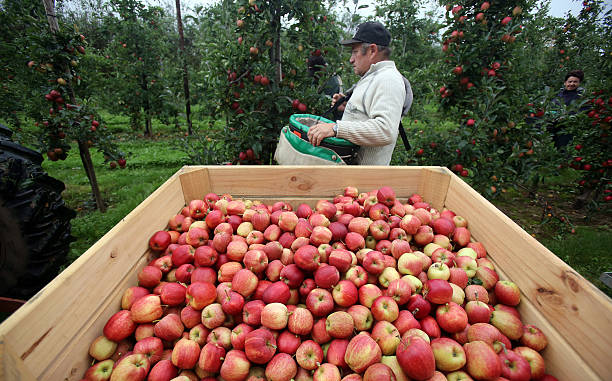
Our farms heavily rely on seasonal workers. But the system is ripe for exploitation – and supermarkets and other stakeholders have a responsibility to fix it, writes Elena Siniscalco
This month, British supermarkets including Tesco, Sainsbury’s and Waitrose agreed to pay for audits on British farms to inspect the conditions of foreign seasonal workers and combat abuse. After initially floating the idea of audits in November, they eventually introduced them following pressure from investors at the end of last year.
Up to 45,000 people can come from abroad to work on British farms this year. The shortage of fruit pickers is so bad the government has said an extra 10,000 visas will be made available if needed – we’re talking up to 55,000 people doing the hard work so you can eat your greens.
Fruit pickers come to the UK through the seasonal workers scheme – a special visa programme allowing them to work in the country for six months. Until recently, they came mainly from Romania and Ukraine, but war has driven recruiters elsewhere. People from Kyrgyzstan and Tajikistan, Indonesia and Nepal have arrived in their numbers.
The licensed operators in the UK work with their overseas agents to recruit workers in their home countries. Workers pay to get a visa and have no choice but to leave after six months.
The scheme has boomed in recent years – going from welcoming around 2,000 workers to 40,000. But oversight hasn’t kept up. In the UK recruitment fees are illegal, but many operators abroad ignore the rule and convince the workers to pay high sums of money to get into the scheme. Workers arrive in the UK with masses of debt they are unable to pay when they return home.
According to Andy Hall, an activist campaigning for Indonesian and Nepalese workers, climate change has made this even harder.
“Often there is no season,” he said. Workers are paid based on what they pick, so if the harvest is poor, they’re paid less than they envisaged.
To limit the potential for debt bondage, British operators stopped recruiting from Asian countries. But many are already on a two-year contract, or back home and in huge amounts of debt.
Ali and Faisal, whose names have been changed for anonymity, are two of the many workers wound up in debt. Both from Indonesia, Ali borrowed money from family and used savings to pay for the process of recruitment – a total of £4,384. He still owes almost £2,500 to his family. Faisal only worked for three months of a six month contract. What he earned couldn’t even cover his costs to get to the UK.
“If you’re recruiting people from very far away, the risk of them being exploited within the recruitment supply chain increases”, says Kate Roberts of Focus on Labour Exploitation.
And the risk of exploitation endures in the UK. Because the operators have both an enforcement and a protection role, workers don’t feel comfortable speaking up. They live and work in often remote locations, where their employer is also their landlord, and this further impairs their options.
The Home Office hasn’t exactly been over-excited by the prospect of investing further resources to protect seasonal workers. “The big thing for me is the lack of transparency from the government”, says Tony Lloyd, a Labour MP who has raised the issue a number of times in Parliament. He says there are no clear channels for monitoring and it’s almost impossible to know if working conditions are being met.
But stakeholders have finally acknowledged there are structural problems with the scheme. Sophie De Salis, sustainability policy advisor at the British Retail Consortium, says the final aim of the audits is to create “an aligned, transparent and robust due diligence process”. The Gangmasters and Labour Abuse Authority – which is in charge of handing out licences to operators – told Morning Wire they are actively working on prevention measures aimed at “educating workers about their rights in the UK” and warning them not to pay to be recruited.
Agriculture, as an industry, leaves open loopholes for exploitation. These issues are not unique to fruit pickers, but concern also poultry workers and butchers across Europe. Seasonal workers operate like invisible ghosts through a speedy machinery that takes them in and out, in and out of the country. It was about time someone noticed them.