Skip to content
Monday 10 August 2026London --:--Frankfurt --:--Zurich --:--
NewslettersSearchEN · DE
MorningWire

European business, markets and politics

FTSE 100
10,862.50
-0.35%
DAX
26,323.88
+0.02%
CAC 40
8,726.03
+0.13%
STOXX 50
6,535.62
+0.18%
  • Europe
  • Markets
  • Business
  • Economy
  • Technology
  • Politics
  • Opinion
More
GermanyFranceBankingAIEnergyFintechPropertyCapital Markets
  • Germany
  • France
  • Europe
  • Markets
  • Business
  • Economy
  • Technology
  • Politics
  • Opinion
  • DE
Wednesday 13 August 2014 1:17 pm  |  Updated:  Friday 07 June 2019 2:29 am

Abenomics on trial: Japan’s economy shrinks at the fastest rate since 2011

By: Billy Ehrenberg

Add as a preferred source on Google

Japan's economy has felt the sting of sales tax increases.

The world's third-largest economy shrank at an annualised rate of 6.8 per cent in the second quarter of the year, the biggest drop since January 2011, when the economy suffered negative growth of 6.9 per cent after the tsunami and earthquake. 

The dire figures were largely expected – one of the presumed culprits, April's sales tax hike, had been announced in advance.

The hike led to heightened levels of purchasing in the first quarter of the year, depleting sales in the second.

What is more, last quarter's GDP figures were revised down to 6.1 per cent month on month annualised growth from 6.7 per cent, compounding the decline. 

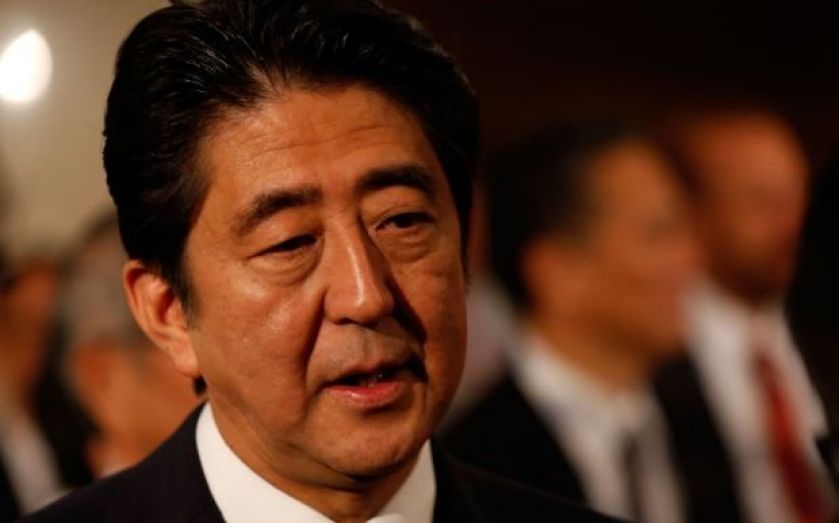
Such results will add to fears that Japan's Prime Minister, Shinzo Abe, and his much-vaunted 'Abenomics' are failing to have the desired effect.

Abe swept to power with bold plans for the economy, which revolved around a three-pronged approach: fiscal stimulus, loose monetary policy and structural reform. 

Abe has a final sales-tax increase pencilled in for December, but its implementation may well depend on the economy's performance in the prior months. Analysts believe that the economy is picking up in the current quarter, but it will not be until November's data release that we will have cold figures.

There are other fears too. The yen has been weakened, in part due to the Bank of Japan's (BoJ) quantitative easing programme, but exports are not benefitting as expected.

According to recently released minutes from the BoJ, there are fears among the Policy Board that the moving of Japanese firms' production sites overseas and a hollowing out of the domestic manufacturing industry could lead to slow export growth.


Share this article

  • Facebook
  • X
  • LinkedIn
  • WhatsApp
  • Email

Similarly tagged content:

Sections

  • News

Categories

  • Business

Related Topics

  • Abenomics

Trending Articles

  • Nottingham Forest owner Marinakis sues Crystal Palace for defamation

  • Back to basics: Sainsbury’s gradual retreat from the British high street

  • Thames Water faces fresh threat to survival after pensions regulation breach

  • Hargreaves Lansdown orders staff back to office

  • As it happened: Intel, Arm shares slide; Oil climbs higher

More from Morning Wire

  • Will Britain follow Japan’s great growth gamble?

    Opinion
    Japan Prime Minister Sanae Takaichi speaking at a press conference, highlighting her leadership and political agenda
  • Britain should look to Japan to manage its ageing population

    Opinion
    Elderly pedestrians crossing a busy street in Tokyo, illustrating Japans ageing population challenge.
  • Barclays profit surges as equity traders cash in on volatility

    Banking
    Barclays bank exterior with logo as it announces mortgage rate cuts amidst upcoming interest rate decision.
  • Scotland’s tax hike may have backfired as receipt falls

    Economics
    Andy Burnham and John Swinney shaking hands, both wearing dark suits and ties, in a professional setting.
  • Don’t hike bank taxes, Barclays warns Burnham

    Banking
    Barclays investment bank income soared in the first quarter.
  • ‘Door is open’ to interest rate hike as inflation fears return

    Economics
    Bank of England headquarters in 2025, showcasing modern architecture and iconic London skyline in the background.
  • Bank of England to hold interest rates as oil price surge threatens UK economy

    Economics
    Bank of England building on Threadneedle Street, London, showcasing its historic architecture and financial significance
  • Bank of England may set the stage for interest rate hikes this year

    Economics
    Bank of England recession warning
MorningWire

Independent European business, markets and political news for decision-makers.

Morning Briefing

Europe

  • Germany
  • France
  • Europe
  • UK & Ireland

Business

  • Markets
  • Banking
  • Technology
  • Energy
  • Property
  • Fintech

Editorial

  • Opinion
  • Editorial Policy
  • Corrections
  • Contact

Company

  • About Morning Wire
  • Privacy Policy
  • Terms of Use
  • Cookie Policy
© 2026 Morning Wire Ltd · Published by Morning Wire Media, Bahnhofstrasse 65, 8001 Zürich, Switzerland
Privacy · Terms · Cookies · Facebook