After four years, supply chain issues are easing – but it’s not all smooth sailing yet

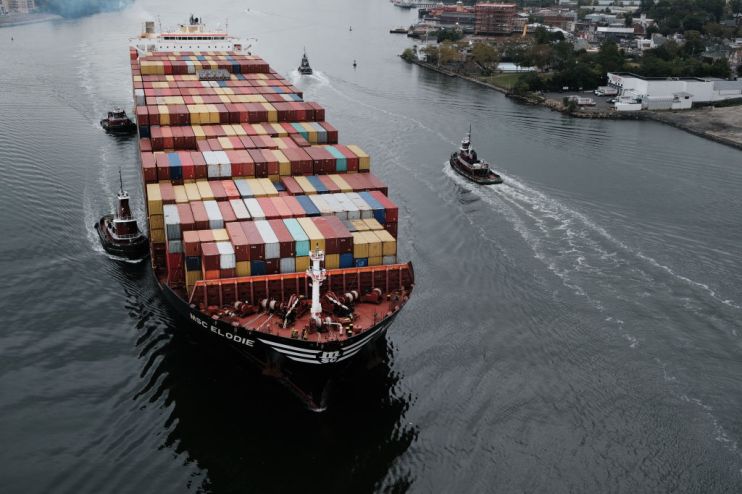
Global supply chain issues have finally eased, but if there’s anything we’ve learnt, it’s not to become complacent, writes Anne Sophie Fribourg.
The past four years have been riddled with unprecedented disruptions to the global supply chain. For business owners, there’s a lot to consider at this time of year when it comes to managing their supply chain logistics. Although we’re moving out from the shadow of the pandemic, and the more immediate effects of the war in Ukraine, we are starting to see the supply chain under familiar tensions this winter season: Singles Day (a Chinese shopping holiday), Black Friday, Christmas. Consumers and logistics professionals should anticipate an end-of-year period in which the spectre of unpredictability still lurks in the background.
Throughout 2023, we’ve seen a slowing in consumer spending – with demand failing to meet industry expectations despite interest rate hikes. This could be due to reduced spending power or due to the trend of consumers diverting their spending to services and experiences such as restaurants and travel, rather than physical goods. This means that the expected restocking just isn’t happening – suppliers are finding it difficult to provide the right quantity of items, at the right time, in order to meet customer demand.
Less restocking leads to lower shipping rates, which may benefit businesses by lowering costs overall. But typically in a low-rate environment, we see shipping lines withdraw capacity on the market, in order to better balance supply with demand. This brings with it service disruption, and thus unreliability. For shippers, this leads to a rise in ‘blank sailings’ – when shipping lines cancel a sailing or skip a port that was part of a route due to low demand, and consequently cargo gets stuck where it shouldn’t be.
2019-2021 showed us that major disruptive events (both long-term crises such as the Covid pandemic, and individual black swan events like the Ever Given blockage of the Suez Canal) are always more likely than we think. This has created a heightened awareness of risk that was lacking in the supply chain prior to these difficult years. ‘Schedule reliability’ is a metric used to assess whether a planned shipping is compliant with the announced and expected schedule.
During the pandemic, the average schedule reliability sat just below 25 per cent, down from over 80 per cent before disruptions from Covid-19 started. That figure now sits at around 70 per cent. So, in terms of service, performance is looking far better than it was during the pandemic – but that could easily change, so retailers must prepare for the unpredictable.
Supply chain visibility in particular can help. When the problem can be perceived faster, it can be counteracted faster, too. A McKinsey survey revealed that 90 per cent of supply chain industry leaders invested in digital supply chain technologies in 2022, likely in response to the scale of the disruption from the last few years. Digital twins are especially popular: computer models that digitally replicate components within the supply chain, creating a virtual representation of any physical object which is then monitored in a simulated environment.
In anticipation of rates-related volatility, it might also be wise for businesses to increase stock orders before days when commercial activity is expected to be high – so that in the case of unreliability, there is still stock available to handle forecasted demand.
Whilst there’s a real chance we might see lower prices for businesses, and consumers, relying on these anticipated price drops may end up scuppering the holiday season. Businesses should focus on ensuring that plans for the holiday season are proactive and flexible.
The end of the year is never going to be easy. But with the right preparation, technologies and mindset, businesses can go beyond ‘just getting through it’.