Airlink defends controversial double flypast at Springboks‑All Blacks test
Airlink argues its low‑altitude double flypast over the Cape Town test complied with safety rules, sparking debate ahead of the series decider.
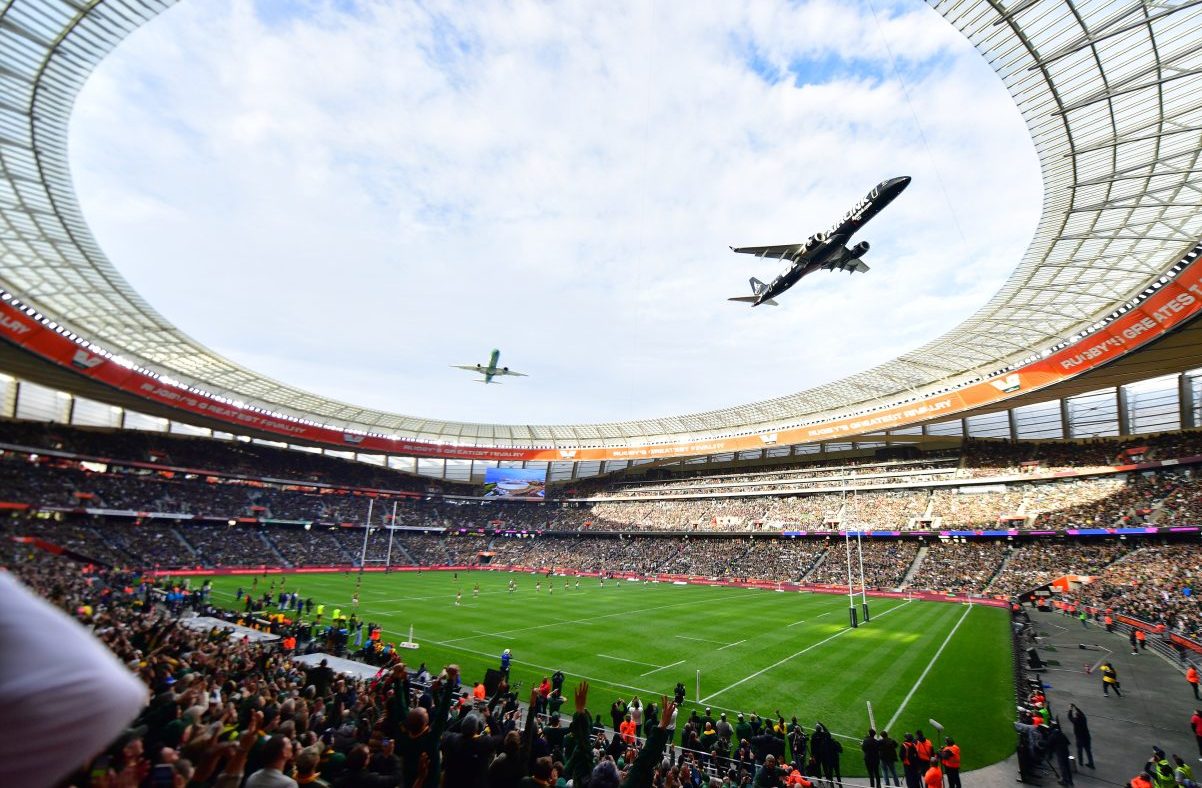
Airlink, the airline backed by Qatar Airways, has pushed back against criticism after two of its passenger jets performed a low‑altitude double flypast over the rugby match between the Springboks and the All Blacks at the DHL Stadium in Cape Town. Flight‑tracking data from Flightradar24 showed one aircraft cleared the stadium roof by less than 15 metres.
The flypast and the backlash
The manoeuvre, staged during the second test of a four‑match series, quickly became a flashpoint on social media, with commentators questioning whether the display was a skilled tribute or an unsafe stunt. Fans and safety advocates pointed to the narrow clearance as evidence of recklessness, while the airline maintained the operation adhered to approved altitude and speed limits.
Airline’s safety defence
SA Airlink Pty Ltd released a statement asserting the flypast was conducted within “approved and rehearsed safety altitude and speed limits”. The carrier also highlighted the experience of the crew involved.
The two aircraft were flown by highly experienced crew, with each comprised of three senior captains operating in the roles of commander, co‑pilot and safety/technical officer,
According to the airline, each jet was piloted by a trio of senior captains, ensuring the highest level of expertise during the manoeuvre.
Historical context and what lies ahead
South Africa has a tradition of aircraft flyovers at rugby matches, most famously a South African Airways Boeing 747 that swept over Ellis Park for the 1995 Rugby World Cup. Military jets are often used for similar displays in the United States, but commercial carriers have also taken part locally.
Airlink plans a third flypast this weekend at the 95,000‑capacity FNB Stadium in Soweto ahead of the series‑deciding test in Johannesburg, where the series is level at 1‑1 after New Zealand’s early 33‑16 win in Johannesburg and South Africa’s 33‑26 victory in Cape Town.
Looking forward, the airline’s continued involvement in the series could keep the spotlight on aviation safety standards at sporting events. Regulators may review the clearance procedures, and public sentiment will likely influence whether future flyovers are welcomed or curtailed.