| Updated:
All that glitters: Should you buy diamonds as an investment?

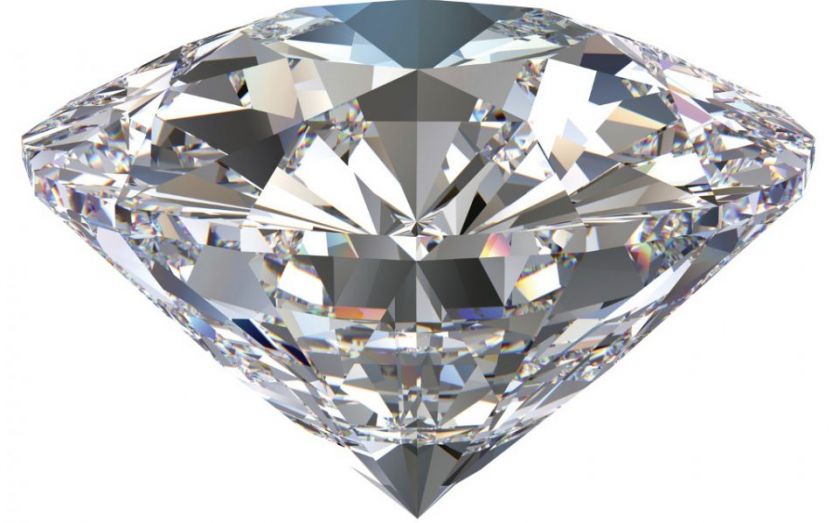
Diamonds have fascinated humans for millennia, and their cultural importance as symbols of wealth, endurance and love is almost unshakeable. Wealthy people the world over desire diamonds.
And they have historically been good investments too. Between the start of 2006 and 2011, one carat diamonds increased in value by 46 per cent, according to the RapNet Diamond Index, which tracks their prices. Three carat diamonds did even better, with a rise of 96 per cent by the middle of 2011.
But prices have dipped lately. This is because of economic troubles and currency movements in the key markets of Europe and China, which have lessened consumers’ purchasing power. “Macroeconomic events have reduced demand, such as slower growth from China, a weaker euro and ruble, and lower oil prices,” says Martin Rapaport of diamond trading company Rapaport.
All luxury goods face the ebb and flow of rising popularity and falling fortunes. But over the longer term, the supply pipeline of new diamonds is dwindling as most of the world’s mines are past their best, while few new sources have been discovered. And experts think demand will return and be outstripping supply every year until 2020, according to consultancy Bain & Co, which releases a yearly diamonds report. This will mean rising diamond prices.
BUYING GEMS
The most popular way to invest in diamonds is to buy the rocks themselves. They can be set into jewellery or stored for sale later.
The best way to go about it is through a diamond dealer. They assess the value of rocks with the “four cs” checklist: carat (or weight), colour, clarity and cut.
The most important factor is colour. Stones are graded on a scale from D to Z to reflect their purity or “whiteness”. Grades D, E and F are colourless – called white diamonds – and the most desirable. There’s little point buying anything below H, as these diamonds will be yellow-tinged (owing to the presence of nitrogen), and less valuable.
But cut is also crucial, because this is what gives a gem its brilliance. The largest, whitest diamond will fail to really shine if it has been in the hands of an unskilled cutter.
Clarity refers to “birthmarks” or imperfections in the stone. The fewer the better. The weight of the diamond in carats (each equal to 0.2 grammes) is straightforward too, as larger stones are worth more.
NOT SO SHINY
A huge amount of knowledge goes into assessing a diamond’s value. Because gems are not a homogenous asset, like gold, there is a good deal of subjectivity over value, and estimates of a diamond’s worth can vary by as much as 30 per cent.
Finding a good dealer can be tricky, but popular dealer websites include Vashi.com, which has a London showroom, and The Rapaport Group.
Another downside to buying gems is that they are subject to VAT of 20 per cent, which is added to the price at purchase. When considering the cost of investing in a good diamond (£5,000+), that’s an extra £1,000 on top of the basic price which goes straight to the Exchequer.
There have been various diamond investment funds launched over the years. But potential investors should choose very carefully. Many of these are unregulated and returns are unclear.
An alternative way to get exposure to diamonds, if you believe their price will rise, is to invest in a company such as FTSE 100-listed Anglo American. “Its share price has been hammered recently, but it holds an 85 per cent stake in De Beers,” says Juliet Schooling-Latter of Chelsea Financial Services.