An amazing green list trip to Portugal on the river Douro

The lifeblood of Porto is not the deep red wine with which the city shares its name, but rather the Douro River, without which neither the city nor the wine could exist. It rises to the surface at Duruelo de la Sierra in central Spain, then runs northwest for almost 900km, meeting the Atlantic Ocean in Portugal at Vila Nova de Gaia, the river mouth just past Porto. I travelled on and along the river in a bid to understand how it shapes the landscape and the local way of life on its winding journey.
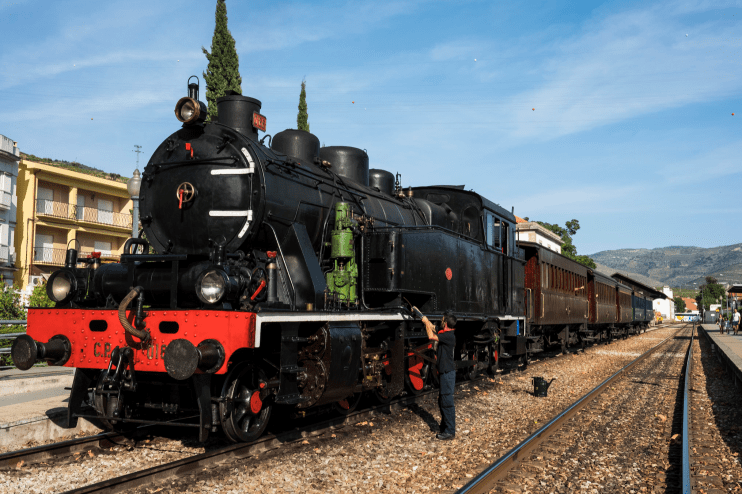
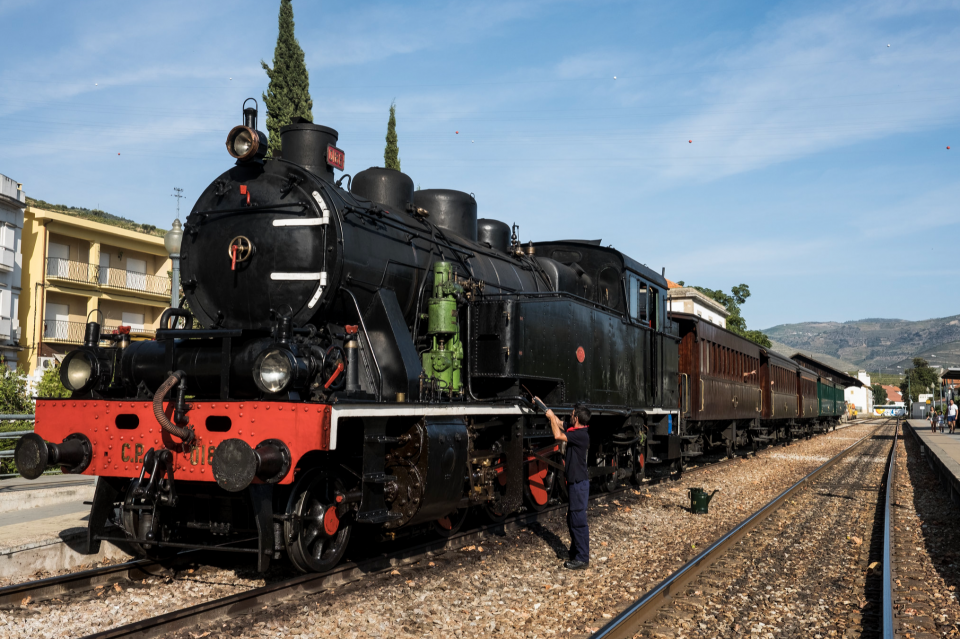
Pinhao straddles the river, sitting a little squashed in the bottom of the Douro Valley, a few streets and farmsteads stretching up into the valley’s sides. The railway platform with its photogenic station buildings sees only a few trains a day, but when one does arrive, it suddenly springs into life. My train disgorged a dozen or so passengers, gathered from Porto and countless tiny communities along the way, plus their ample luggage. We all hesitated on the platform, waiting for the train depart, then those who call Pinhao home showed the way, stepping down onto the tracks to cross over into the town.
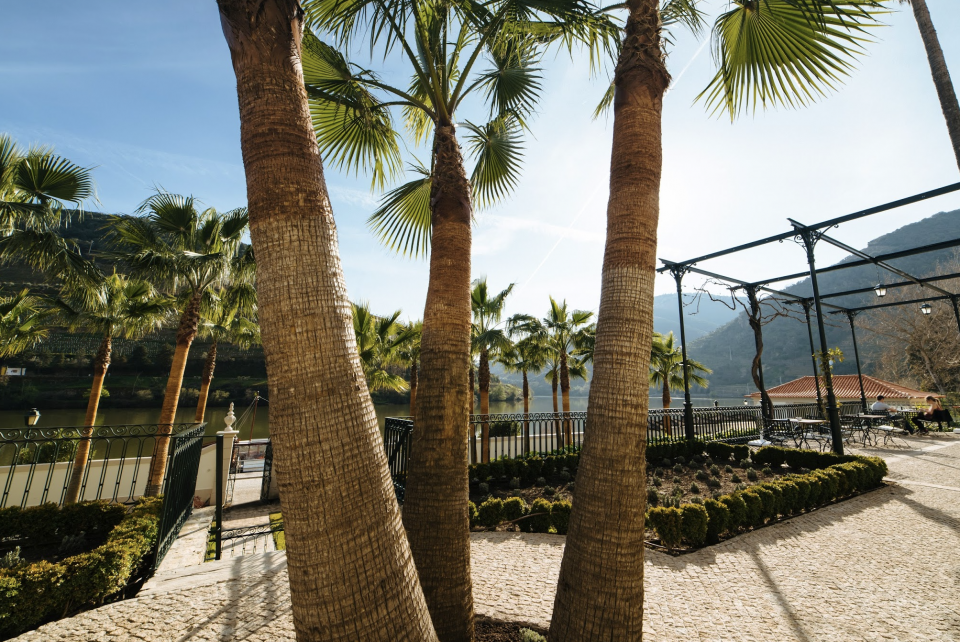
Looking a little disoriented, I must have been easy enough to spot. A young man appeared beside me, took my case, and led me through a tiny gate in the fence, down some garden steps, and into the back of Pinhao’s Vintage House Hotel. It is tucked between the railway line and the river in the heart of the town, but as all the windows and guest rooms are oriented towards the water, you scarcely notice the former.
I came to Pinhao to begin my journey not at the source of the river, but at the source of the port: Quinta da Roeda is the vineyards for Croft Port. It was a blustery autumnal day, and the leaves on the vines had already turned a golden orange. On those moments when the sun did break through the clouds, they glowed.
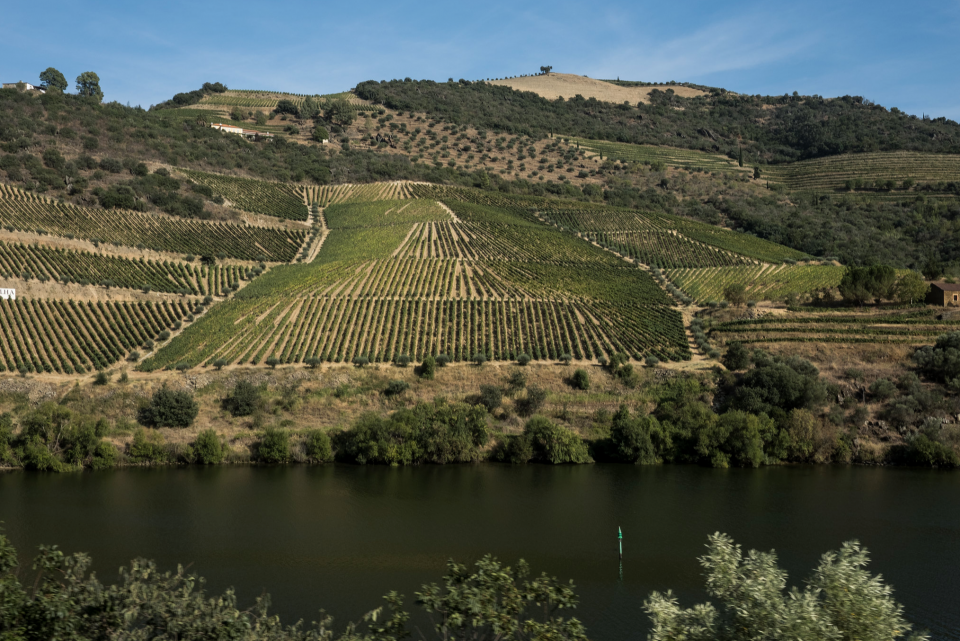
It’s an easy half hour walk from the hotel to the vineyard, mostly along a private road. Out of season, only one or two cars came past, and they were headed for Quinta da Roeda, too. The low-rise winery is perched atop a small hill in the middle of the estate, and whilst port wines are produced here, it’s also a place to come and learn about the art of viticulture.
The land in this part of Portugal is arid, the soil sandy with plenty of stones. Touring the vineyard, the guide pointed out the different ages and species of vines; properly cared for, they can remain productive into their sixties and beyond.
Though overcast, the afternoon was warm, and I asked about the weather in the height of summer. Here, temperatures can reach well into the 30s, and months can go by without rain. Anywhere else in the world, you would expect to see a sophisticated irrigation system pumping water up from the river to nurture the lines of vines. Not in the Douro, though: artificial irrigation is banned. This isn’t a recent drive to conserve water usage; centuries ago the farmers realised that if they watered their vineyards, the plants became lazy, and only put down shallow roots. To survive a drought, the vines should be kept thirsty, because then the roots will be forced to grow deep into the earth, burrowing until the reach the water table.
In the sun drenched vineyards, the Douro’s grapes ripen fat and sweet. The extreme temperature swing from summer to winter is not good for port wines, however, so the barrels begin their journey down river.
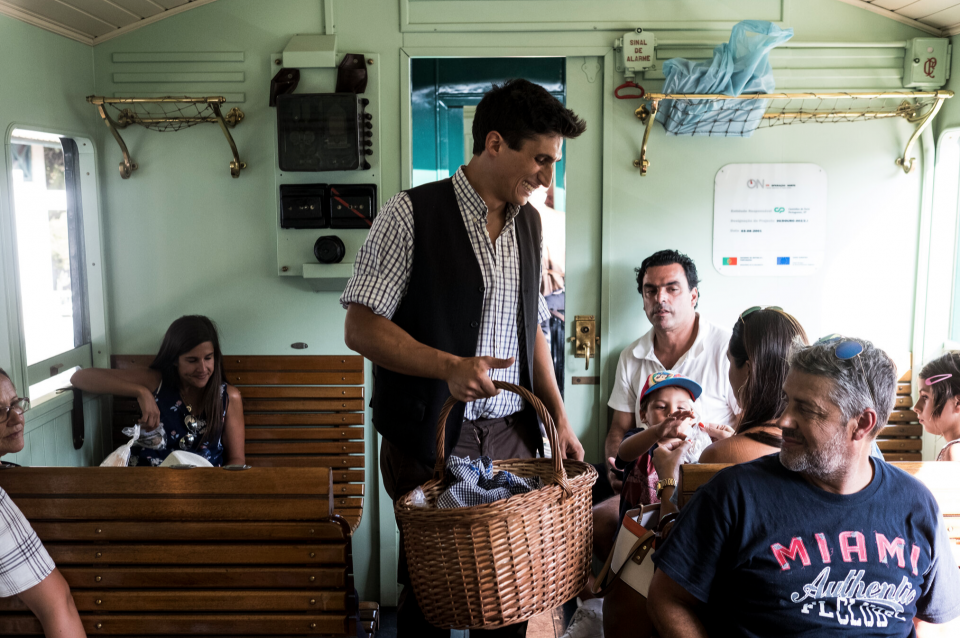
Comfortable cruise ships make up much of the Douro’s river traffic today, enabling passengers to spend a few days afloat, watching the scenery from the desk, and every now and then disembarking for a walk. Historically, the most common vessel were the barcos rabelos, however, barges for transporting barrels. Some of the wines still travel this way; other boats have been converted for the pleasure of day trippers such as myself. Whilst the train ride to Pinhao stops and starts at every town and village along the way, the river journey is more fluid, more relaxed. You can spend a full week floating downstream to Porto.
What you appreciate from the water looking at the land is that the Douro Valley, quaint as it is, is still decades behind other parts of Portugal in its development. For every thriving vineyard, restaurant, or smallholding, there’s another tumbledown structure in need of love. The contrast is stark, but not depressing: in so many destinations, the drive to attract tourists has led to the creation of an overly manicured experience. In the Douro, the landscapes are beautiful but life can be hard, and communities aren’t glossing that over.
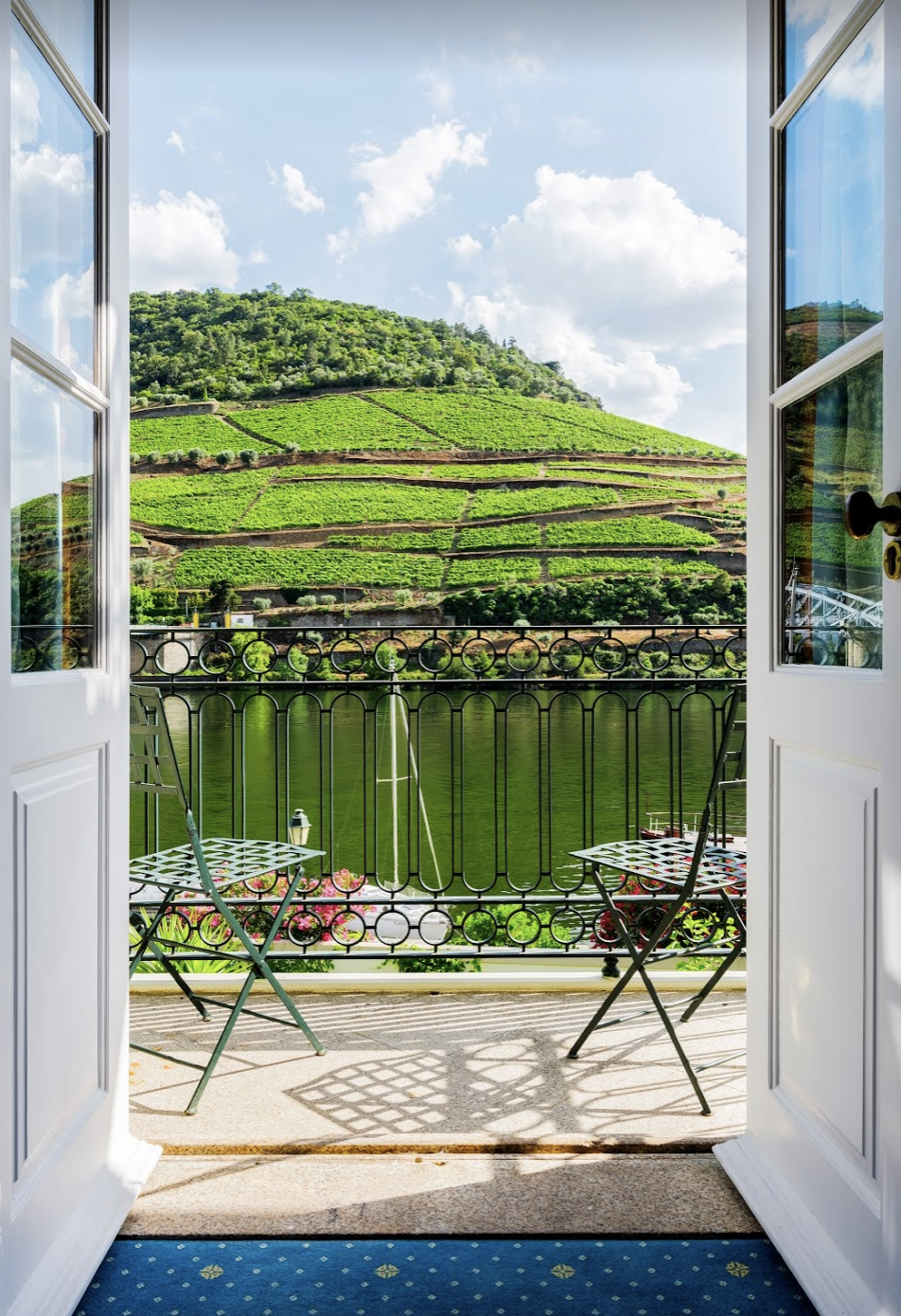
My river journey’s end was in Porto, a city cleaved in two by the river. On one bank rise the brightly coloured houses and Baroque churches of the UNESCO Old Town, the epicentre of the Douro’s tourism industry. Hotel Pestana Village Porto is right on the waterfront, a collection of historic stone buildings drawn together and imaginatively renovated into a luxury hotel. My room’s French windows looked to the river, and across to Vila Nova de Gaia, where giant signs for Sandeman, Calem, and Offley remind you of the source of the city’s wealth.
The Douro’s table wines have always been consumed domestically; it is the port wines which caught the merchants’ eyes. To this day, the Brits are the biggest buyers, the cellars of Oxbridge colleges actively courted for their custom. Gaia has an altogether different feel to the Old Town. The builders here prized function over form, and in the warehouses capacity and a cool, dark environment are important. A major museum of wine, World of Wine, is under construction and due to open in June 2020, but in the meantime the best way to learn about the port making process is to tour a port house like Taylor’s.
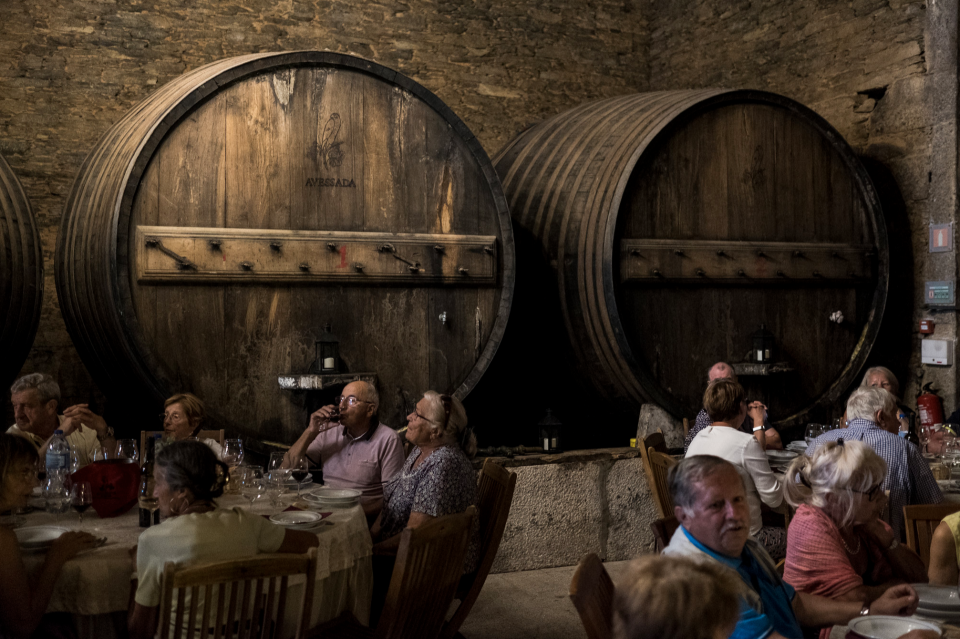
Taylor’s has been in business in Porto since 1692. Deep in what feels like the bowels of the Earth lie row after row of wooden barrels, each of which can hold in excess of 600 litres of port. Unlike in Pinhao, the air here is much more humid thanks to the proximity of the sea, and as the temperatures are also more constant, it’s a much better environment for storing and ageing the wines. The scientific precision with which each vintage is nurtured is impressive, but as Taylor’s tour guide regales visitors with the history of port house and the methods of production, you get the sense that there’s also a little magic involved.
Journey’s end — for me and for the grapes — is when the port hits the palate. On the table before me at Taylor’s were two glasses: their Extra Dry White and Late Bottled Vintage (LBV). Both of these port styles were invented by Taylor’s, so it seemed fitting to taste them in the very cellar where they were conceived and born. The syrupy sweetness coated my tongue and teeth but without overpowering the flavours of the wines. The Douro created this nectar, and carried it for 500 years from the vineyards down to Porto.
Fact box
Kirker Holidays (020 7593 2283, www.kirkerholidays.com) offers tailor-made short breaks to Portugal. Prices start from £949 per person for a three night holiday, including flights to Porto, a Douro river cruise, and accommodation at Hotel Pestana Village Porto and Vintage House Hotel.