Analysis: Can oil prices recover from the coronavirus crash?

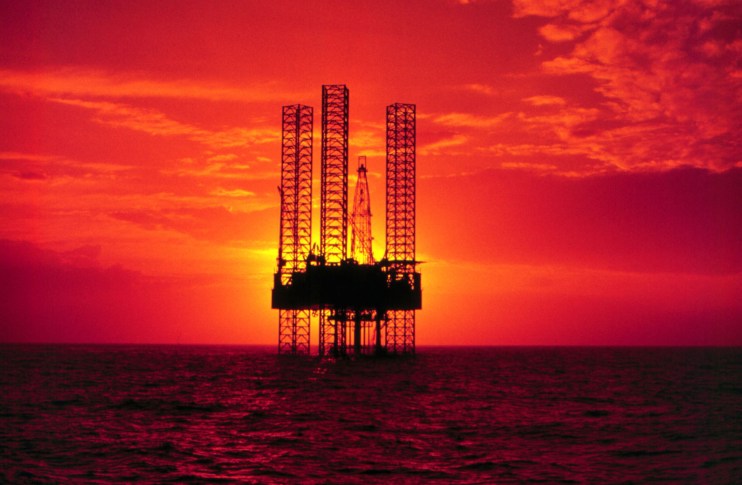
Global oil prices plunged again today amid heightened fears that some producers might have to stop pumping due to the rapid filling of the world’s storage facilities.
West Texas Intermediate, the US benchmark, is in freefall, dropping 40 per cent today alone, whilst Brent crude fell over seven per cent.
The collapse in prices, coupled with ongoing uncertainty as to how long the coronavirus crisis will paralyse the global economy, has left some wondering whether prices will ever get back to pre-crisis levels.
At the beginning of January, Brent crude was changing hands for nearly $70 a barrel, before the unprecedented collapse in demand.
Why are oil prices so low?
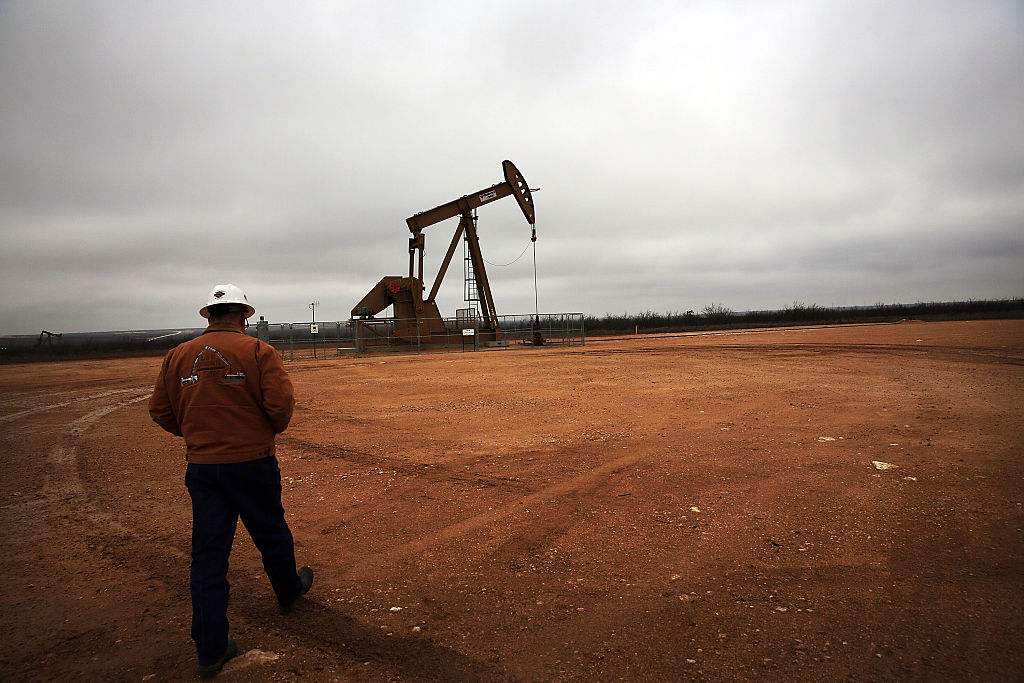
The current situation for the world’s oil markets is the result of a perfect storm which saw demand for oil collapse at exactly the same moment as an enormous surge in supply.
In early March, a falling out between Russia and de facto Opec leader Saudi Arabia led to a removal of all existing production limits, increasing global output by millions of barrels a day.
That decision, couple with record levels of US shale oil, came at exactly the moment when countries around the world began banning travel and locking down businesses, which saw fuel demand disappear almost instantly.
It’s this combination, says Hargreaves Lansdown analyst Nicholas Hyett, that has crippled prices:
“In a normal price move, you’re looking at shock to one side or the other. It’s unprecedented to have both at once”.
Despite much trumpeted efforts to correct the price collapse, culminating in a deal between Russia and Saudi Arabia to slash output by 9.7m barrels per day – a tenth of the world’s daily supply – an enormous overhang remains.
According to the International Energy Agency’s forecasts, demand for oil will fall by 29m barrels per day in June alone, meaning that stocks will continue to grow despite the measures.
This will be complicated further by the fact it will take time to implement the necessary production cuts, and will also be difficult to enforce them.
Can prices ever recover?
For prices to begin to rise, these stocks first need to be used up – and until the global economy begins to function again, it’s hard to see how that will happen.
According to independent consultancy Rystad Energy, demand for jet and road fuel, which makes up 50 per cent of all liquid demand, has fallen by 4.5m and 3.6m barrels per day in April alone.
Likewise, in the US, the Economist Intelligence Unit (EIU) said that crude stocks have built to 504m barrels, their highest levels since 2017, despite production beginning to slow.
Even when demand begins to pick up, all the evidence seems to be pointing towards a global recession, which, according to Hyett, means “demand will remain subdued for an extended period”.
According to the EIU’s forecast, prices will average $36 a barrel for 2020 as a whole, due to this softness in demand.
According to the EIU’s global economist Cailin Birch, world leaders’ hands are tied when it comes to other ways to drive up prices:
“It’s hard to imagine any other measure or event that could lift oil prices. At the moment, the oil market is already facing severe sanctions on Iran, a conflict in Libya that has effectively stopped oil production, an entrenched political and economic crisis in Venezuela, and the list goes on.
“None of this has been enough to lift oil prices in the face of weak demand. The global economy will have to begin a clear recovery, drawing on available oil stocks, before prices see any sustainable growth.”
What are the consequences of prices being so low?
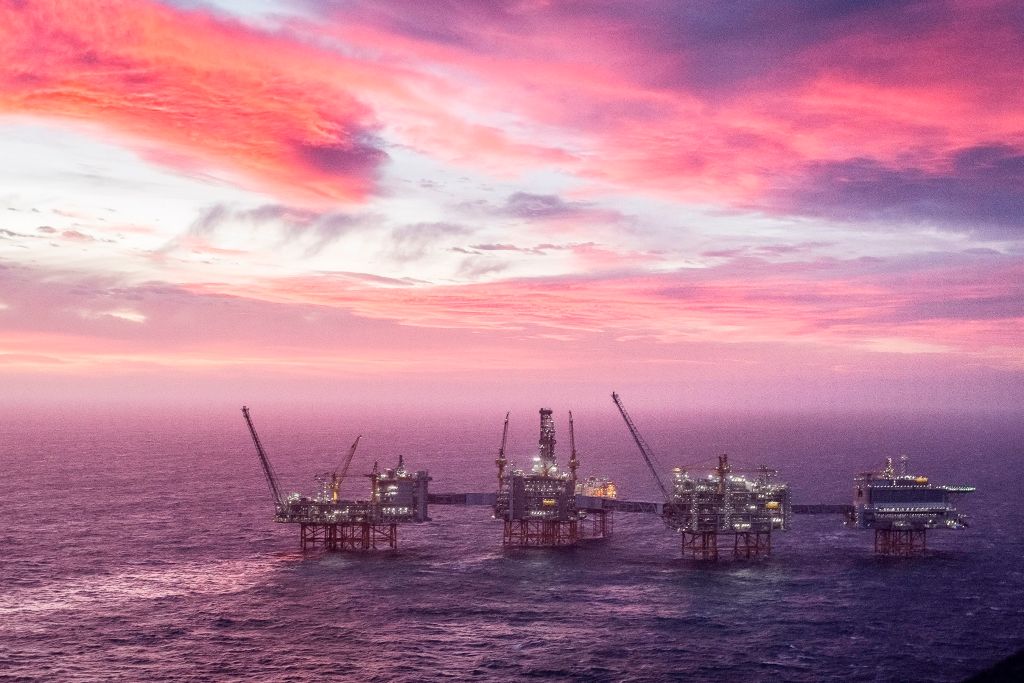
For producers, the collapse also raises some existential questions.
Majors such as BP and Shell have adopted a strategy of cutting spending and slowing production to tackle the supply glut. However, Hyett says this measure will only work in the short-term:
“There will come a point where they will have to choose between their expensive low-emissions energy plans and continuing to pay their dividends”.
Although Jefferies analysts point out that even with prices at $30 per barrel oil majors could continue to pay their dividends throughout 2021, the crisis could end up a serious test of the firm’s long term priorities.
In addition, says Hyett, it could have an enormous impact on markets more widely. Shell and BP’s dividend payments, along with those of GSK, Astrazeneca, British American Tobacco, and Imperial Brands, make up 50 per cent of all FTSE 100 payouts.
Therefore, if BP and Shell cut their dividends, Hyett says, the “income output of the FTSE will be dramatically reduced”.
The price collapse could also hammer the North Sea basin, with expensive new investment set to dry up in the coming months.
According to industry body Oil and Gas UK, operators could cut investment by up to 30 per cent this year to £4.5bn as revenues halve.
As a result, the body warned, hundreds of thousands of jobs could be lost.