Analysis: What the fuel crisis is all about and what may happen next

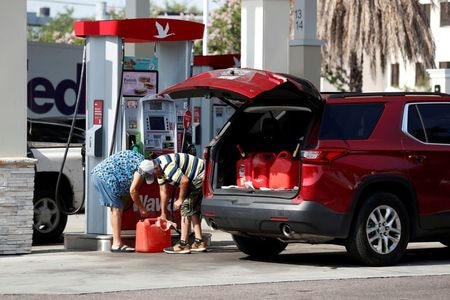
Despite the government urging people to stop “panic-buying” petrol and return to their normal pattern of purchasing, pumps have run dry in some forecourts.
Here Morning Wire helps you to understand what is happening and who is involved.
So who are the biggest players?
The UK’s biggest operator is the Motor Fuel Group. Other companies include EG – which also owns Asda – along with Esso, BP, Shell, Tesco, Sainsbury’s and Morrisons.
What have they been saying about the shortages?
EG introduced caps on spending per driver, limiting fuel purchases to £30 in order to support its supply. Others, such as Esso, have apologised to customers after some pumps ran dry of petrol and diesel.
A statement by Shell, ExxonMobil and other industry bodies said the pressures on supply were the result of “temporary spikes in customer demand”.
Why is demand so high?
Following reports last week that BP had warned the Government that it would not be able to fulfil all deliveries due to HGV driver shortages, motorists became concerned and rushed to the pumps. This caused a panic and led to a spike in demand, which further exacerbated the supply worries.
So, is there enough petrol and diesel to go round?
Yes. There is no issue with the amount of fuel going through refineries. Oil giant ExxonMobil, which operates Esso forecourts and runs the UK’s largest refinery, said it is operating as normal and has “strong supply” to distribution sites.
The problem is getting it to the pumps and reacting to the latest surge in demand. The rising demand led the Petrol Retailers Association to warn that as many as two thirds of its membership of nearly 5,500 independent outlets were out of fuel on Sunday.
What are the causes of the problems?
A global HGV driver shortage has left logistics firms scrambling to fulfil deliveries. Before the fuel issues arose, supermarkets had been warning for months that deliveries were struggling to get through.
The Government attempted to take a firm line, saying companies should be training up British drivers, rather than relying on EU ones, as they had done before. However, logistics firms pointed out that training takes several months and the DVLA had a huge backlog of people wanting to take a test.
So, is Brexit to blame?
Partly. The HGV shortage is global but the UK has felt the pain more acutely because thousands of drivers from the EU left the country during the pandemic and did not return.
Brexit rules prevented them from taking up vacant positions. The Road Haulage Association estimated last month that 14,000 EU drivers left during the pandemic, with only around 500 of these returning.
Some argue that being part of the EU meant wages in the sector were depressed for several years, as supermarkets squeezed suppliers.
What other factors caused the shortage?
Covid-19 closed HGV testing sites, causing a backlog in those looking to take the test. There is also an ageing workforce and the long hours with low pay – compared with rates elsewhere in Europe – have also contributed.
So, what happens next?
Forecourt owners will be hoping the initial rush to the pumps will soon ease and supply can get back to manageable levels.
Operators have suggested that drivers can only stock up on a limited amount of fuel. This should allow the shortage to subside more quickly than the supply problems seen at supermarkets at the start of the pandemic.
The Government has said competition laws will be scrapped temporarily, so companies can better liaise to deal with any shortages.
Reports had also suggested that drivers from the Army could be drafted to help with deliveries, although although this was swiftly rebuffed by the Environment Secretary George Eustice.
So, will fuel shortages remain longer term?
It is unlikely. Although some have said the Government was too slow to deal with the HGV driver shortage, several changes have been brought in, which ministers hope will streamline the process and get more drivers qualified and on the road. The sector has already started paying drivers more and signing on bonuses. But some warn this could eventually lead to higher prices for consumers as businesses pass on the increased costs.