Are nicotine pouches the future of Big Tobacco?

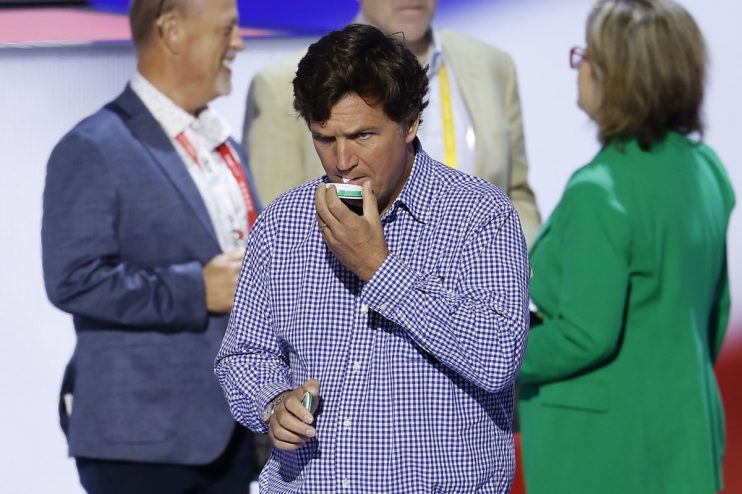
Nicotine pouches are all the rage at the moment. Sometimes erroneously described as ‘snus’ – this only refers to tobacco-based products – the pouches are mainstay of Square Mile pubs, start-up offices and even Premier League football pitches.
But are they a passing fad, or the new cornerstone of ‘Big Tobacco’? And, for an industry whose core products are under siege from governments around Europe, are the regulators coming for the pouches next?
British American Tobacco (BAT) is bullish on the pouches, and with good reason. The firm’s recent half-year results laid bare a declining market for ‘combustibles’.
Overall revenues were down 2.2 per cent – though, up 1.8 per cent when adjusted for currency volatility – while smokeless products soared.
Group-wide, nicotine pouches were up 40.6 per cent. And in the US, revenue from this product segment surged a massive 384 per cent.
Asli Ertonguc, BAT’s Western Europe area director, told Morning Wire: “I do believe this has a big potential to become one of the biggest, if not the biggest category for us.”
She points to the Nordics, for their precocious uptake of ‘modern oral’ nicotine products. “If I look at the most evolved countries, like Sweden, the average usage is 12 to 14 pouches per day, and this is fully replacing their entire nicotine consumption.”
The UK, by comparison, is “nascent” in its usage of nicotine pouches – “the average user will use two to three pouches per day” – but she points out that the product category is in its early stages.
Displacement, cannibalisation, or somewhere in between?
On the potential size of the market for pouches, expectations at BAT appear to be sky-high. Ertonguc said: “This product category is applicable, or available, for any nicotine user.
“Today there are 12m nicotine users in the UK. So, this is the limit it can reach.”
There are, naturally, questions around whether the consumer-base really is limited to existing nicotine users, but the company does not appear to be outwardly worried about the prospect of nicotine pouch revenue coming at the expense of cigarettes and even vapes.
Ben Barringer, investment strategist at investment firm Quilter Cheviot, told Morning Wire: “BAT’s recent results pointed to a struggling transition products business, but one area that was doing extremely well was nicotine pouches.
“There is a concern though that some of this may detract from the likes of vaping and those who have given up smoking traditional cigarettes already.”
“But ultimately the tobacco giants will want a wide ranging line up of products so that they have optionality and flexibility should cigarette smoking continue to decline at the pace that it is doing so.”
Red meat for tobacco regulators?
If vapes were an off-ramp for cigarettes, are nicotine pouches an off-ramp for both? BAT is pitching them as the healthy option in its product range.
Ertonguc said that the pouches contain “99 per cent less toxicants versus cigarette consumption”, without tar and, of course, tobacco.
US government research from 2024 found that the body absorbs twice as much nicotine from a pouch than from a cigarette. So, the 12 to 14 a day enjoyed by Swedes amounts to between 24 and 28 cigarettes worth of nicotine each day.
Pressed on the sheer concentration of the addictive chemical, she said: “Any product, any category, I wouldn’t say I’m specifically talking about nicotine, any category should be consumed moderately.
“If you’re a coffee drinker, you should not drink coffee all day, every day.”
The industry races to beat the prohibition
Currently, pouches exist in a kind of regulatory Wild West, but two of the UK’s closest neighbours show that the product category is only ever one piece of legislation away from being stamped out.
France and Belgium are both legislating to ban the pouches. The UK Tobacco and Vapes Bill, currently making its way through parliament, is currently vague on this product category – and BAT is pushing for age limits and a 20mg ceiling on nicotine content, per pouch.
Ertonguc says that prohibition of smokeless alternatives leads directly back to more smoking: “Unfortunately, in these countries, and Belgium is a great example, smoking incidence is not declining. On the contrary, it is increasing.”
The company wants restrictions on advertising and “adult oriented” flavours to deter children from using the products.
Put simply, the image of schoolchildren idly consuming nicotine products which are more potent than cigarettes does not line up with the story that the industry wants to tell about the pouches.
Barringer said: “Clearly the tobacco industry is no stranger to regulatory crackdown and you have to expect that with any new or growing product, governments will want to take a look.
“The UK will be watching what happens in France and Belgium closely, but it should be noted that prohibition has rarely resulted in an eradication – it simply either moves people onto another product or pushes people to more illicit sales channels.”