As we look back on 2020, what can we learn from this unprecedented year?

The end of any year is traditionally a time of reflection.
It’s a chance to take stock and look back on the past 12 months: the successes, the lessons, and the opportunities for improvement.
And while other traditions like the office Christmas party have been replaced by virtual events, taking time to step back and reflect on what has been an extraordinary year is more important this December than ever before in recent history.
When reports first emerged in January of a novel coronavirus appearing in Asia, few would have predicted the impact it would have on our personal and professional lives. By March, Covid-19 was wreaking havoc across the globe.
Businesses realised that if they were to survive this, their operating models would have to change — and change fast.
Lockdowns across the world meant that, overnight, remote working became a necessity. In turn, demand for video call platforms and online collaboration tools surged exponentially.
Guidance on managing remote teams became a regular part of the news cycle, as did questions on home working etiquette. Should you turn your video on for every call? What was an appropriate dress code? Are casual bottoms acceptable with a smart shirt?
Suddenly, our workspace backdrops — the pictures, the ornaments, the books — were all being scrutinised as much as what we were saying on video calls (more so in some cases).
And yet, we all adapted. Fast-forward to today and, for the majority of office workers, home working and everything that accompanies it is the new normal. No longer do children appearing at your side or dogs barking disrupt a meeting flow — sometimes they can even be welcomed.
So even though some businesses remain focused on returning to office-based life post-pandemic, the conversation about sustainable remote and hybrid working practices is not going away. Flexible and remote work looks set to be a long-term reality in most (virtual) boardrooms.
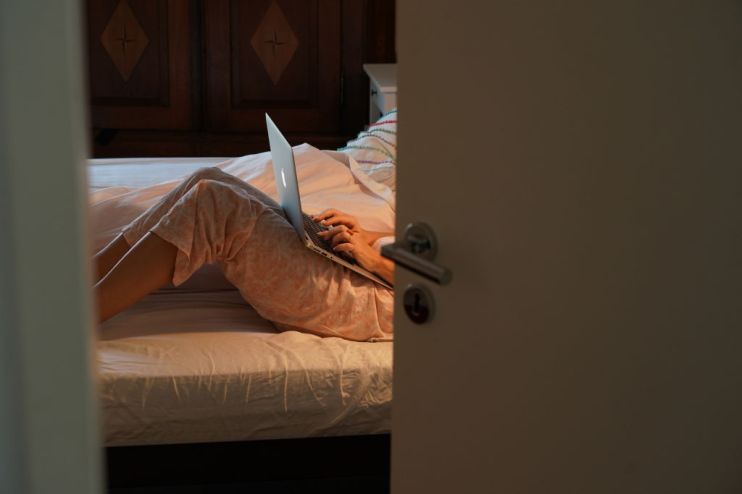
With that comes the need for a deeper discussion about how to help employees achieve better work-life integration. While remote working has many benefits for employees, it has also eroded the traditional boundaries between our work and our personal lives. Some companies (ours included) will have found that the working day has lengthened in place of commuting time, making it a business imperative to think carefully about how to limit staff fatigue.
Indeed, the creation of new working initiatives has accelerated as organisations look to empower employees to have more choice in where, when and how they work, ensuring there is a continued focus on their wellbeing.
If remote working and the conversation around work/life balance was one of the main business themes of 2020, the other has surely been diversity and inclusion.
In May, the killing of George Floyd in America brought into sharp focus the issue of racial inequalities, not only in terms of policing but also more generally, on both sides of the Atlantic. The momentum of the Black Lives Matter movement has united politicians and business leaders around the globe over the need for greater racial equality.
It is hardly surprising, then, that many businesses have been establishing, re-examining or ramping up their diversity and inclusion initiatives. The need to listen to employees with different backgrounds and perspectives, promote understanding and awareness, and ultimately drive positive change has become a top business priority — and rightly so.
With 2020 has come a renewed consensus that organisations have a duty to foster a workplace environment where employees can be their true selves and do their best work — regardless of their gender, race, ethnicity or sexual orientation.
It’s near impossible to sum up everything that has contributed to this unprecedented and challenging year. But as we turn a page on 2020, at least one clear truth has emerged: organisations that continue to explore new operational models and put their employees’ wellbeing first will be the ones best placed to survive and thrive, whatever the post-Covid future brings.
Main image credit: Getty