Avo and toast all the way to growth? Don’t ask millennials to bail out the economy

Millennials finally have some capital – don’t ask them to spend it to ‘save’ the economy
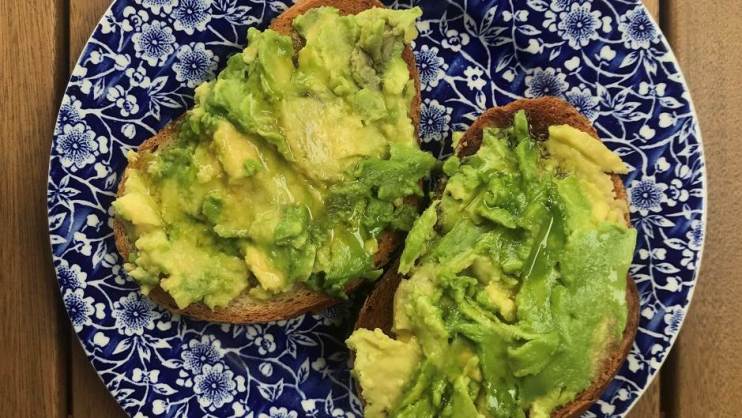
Two things are known universally about millennials: they like avocados, and they are the first generation in history that will be financially worse off than their parents. It’s because of that second point that millennials should not be encouraged to spend the country out of recession post-coronavirus.
Yet that seems to be the growing assumption. The Chancellor has said he’s keen to encourage us all to spend, spend, spend. City analysts have said the recovery will be a “group effort.” Every pint counts, then.
Read more: IMF trims UK GDP forecast, but worldwide and US Covid-19 growth recovery look better
But is it wise to hope that youngsters who have finally built up some semblance of a nest egg are being told to blow it for the good of a GDP rebound?
Building up capital as a millennial is one kick in the teeth after another, but for those of us who worked from home, 2020 finally offered respite after more than a decade of dud hands.
The bad luck began in 2008, when the global financial crisis sucker-punched older millennials embarking on professional careers, dooming them to shrinking career opportunities, leaving them facing an uncertain and traumatic job market that is often cited as a cause for the infamous millennial anxiety.
Not only has getting on the career ladder been tougher for millennials, but prices have soared in comparison to earnings. The price of a Freddo is a unit of measurement adopted by those in their 20s and 30s to demonstrate their economic ruin, and in 1994 the Freddo bar hit shelves at a bargain basement price of 10p per bar. In 2021 Freddos are typically found for 25p – a whopping 150 per cent increase in 26 years.
When it comes to house prices the picture is even bleaker. In 1997 the average cost of a house in Britain was £75,762. In 2020 that figure stood at £256,000 – a dizzying increase of 238 per cent. Wage growth, meanwhile, has not kept up. ONS figures showed in 1997 the median wage was £16,500 in the UK. By 2020 that had risen to £30,800 – a comparatively lethargic rise of 83 per cent.
One might hope London, a city bursting with young, ambitious talent, would offer eager millennials some respite. Alas, that is not the case.
The average price of a house in the capital is now a frankly ridiculous £514,000, up a nausea-inducing 393 per cent since 1997, and the wage situation in the capital is somehow worse than in the UK on the whole.
The median wage for Londoners is now just over £33,000, according to the ONS, up a pitiful nearly 59 per cent since 1997’s £20,800 average.
There are other problems at play, too; eye-watering interest on student loans, greater personal responsibility to save for retirement and non-existent interest on cash accounts are each serving as endless hurdles young people must jump before they reach a point of financial stability.
An old boss of mine used to say: “How can millennials be capitalist if they can’t acquire any capital?”
Money makes more money; it’s why investing and the subsequent compound interest is key to disposable cash in later life, why it’s so important to pay into a pension and why home ownership is so desirable. Yet situations beyond their control have left millennials struggling to squirrel away even pennies for the future.
Added to that, young people are becoming increasingly disillusioned with the distribution of wealth in the UK. Many feel that no matter how hard they work home ownership will always be beyond reach, or that their government has no interest in protecting their financial futures, and would rather devote time to policies to protect those who are older – and more likely to head to the polls on election day.
The pandemic has been far from a great equalizer, but forcing those in their 20s and 30s to stay home for the best part of a year has at least offered millennials an opportunity to make some savings.
A friend, aged 28, recently informed me she had four figures in her savings account for the first time in her life. From a personal finance standpoint it’s madness to suggest people who typically can’t and don’t save rush out and spend their savings on clothes, booze and brunch as soon as the opportunity presents itself – let’s not forget millennials have historically been widely mocked for spending money brunching when they should be saving for the future.
We will all have to shoulder the economic burden of the pandemic in the coming years, but it should be those who are older and wealthier that do the heavy lifting.
Read more: The City View: Steve Hawkes and Susannah Streeter