Axe the EU’s import tax to save consumers money

More than five years on from Brexit we are still sticking to EU rules that see Brits paying over the odds for branded goods that manufacturers are happy to sell cheaper elsewhere, says Martin Howe KC
This month we have seen rising inflation and the threat that the Bank of England will have to defer its planned interest rate cuts. But there is a straightforward change to the law the government could make which would cut prices for consumers and enhance living standards, without cost to the Treasury.
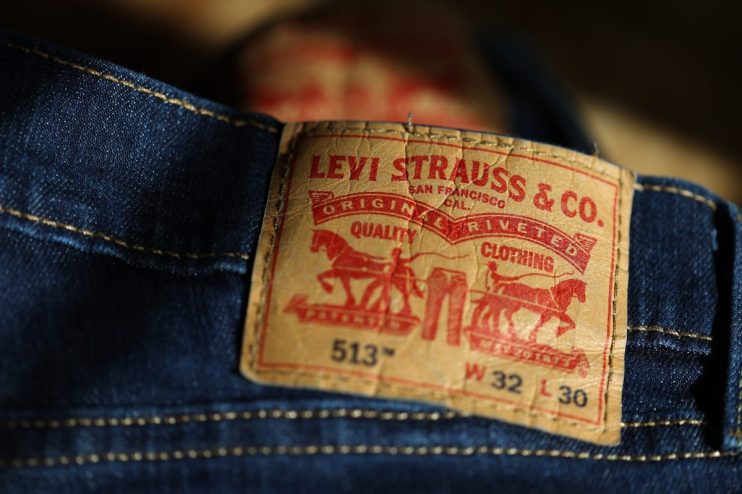
This change relates to the obscure but important rules which control so-called “parallel imports”. These goods are imported by other traders outside the official distribution system of a brand owner or rights owner, “in parallel” with the officially imported goods. One example is a case when Tesco found that Levis were selling jeans in North America cheaper than in the UK, and so bought up stock in the US and parallel imported the jeans to the UK.
Historically, our trade mark law allowed third party traders to buy genuine goods sold under the trade mark in other countries and then import and resell them here. The reasoning was that the purpose of trade marks is to enable a brand owner to stop the sale of fake goods or competitors’ goods with confusingly similar trade marks, not to be used as a tool by brand owners to partition the market in genuine goods in order to charge higher prices in one country than another for the same goods.
But after we joined what became the EU and our intellectual property laws were harmonised, this all changed. EU law in fact was very permissive about allowing parallel imports from other EU member states, but the European Court took completely the opposite approach to parallel imports from outside the EU single market. So Tesco was banned from importing and selling the Levi jeans from the USA, because Levi had not consented to them being imported into the EU single market. Levi were scarcely likely to give their consent, since that would lead to them losing higher priced official sales in the UK market and instead only getting their lower North American price for the goods.
A post-Brexit absurdity
But why is this EU history lesson still relevant to us today? It is because, amazingly, we still have the same rules embedded in our law more than five years after leaving the EU. Parallel imports are allowed from the EU, but are banned from the rest of the world.
This is of course completely illogical after we have left the EU. It is probably a breach of the WTO rules under which we are supposed to treat imports from all countries equally unless there is a valid objective reason for treating them differently. More importantly, five years have gone by during which UK consumers have been paying over the odds for wide ranges of branded goods which multinationals are happy to sell more cheaply in other markets than here.
The last Conservative government consulted on changing the rules and getting rid of parallel import restrictions, but this stirred up a hornet’s nest of special interest groups all of whom benefit one way or another from charging UK consumers more than they charge in other markets. One of the most creative pieces of special pleading was from book publishers who argued that if American versions of their recipe books were resold in the UK market it would lead – horror of horrors – to UK consumers having to grapple with Imperial measures still used in the US instead of metric.
The last Conservative government consulted on changing the rules and getting rid of parallel import restrictions, but this stirred up a hornet’s nest of special interest groups all of whom benefit one way or another from charging UK consumers more than they charge in other markets
The basic problem with all these arguments is that 100 per cent of the cost of having higher prices in the UK market than elsewhere falls on UK consumers, but only a percentage – probably as small one – of the benefit goes to UK businesses. Most of the benefit of differential pricing goes to foreign or multinational corporations. Of course, if there’s no price differential then parallel imports will not happen.
After years of Tory indecision and inaction, this situation now passes to the Labour government to resolve. Maybe as the self-proclaimed party of working people, Labour will think it a good idea to cut the people’s costs and boost their living standards by getting rid of these costly and illogical restrictions.
Martin Howe KC is an intellectual property barrister and author of ‘Parallel Universe: how ending parallel import restrictions cuts costs for British consumers‘