Back to the future: transforming the City into a home

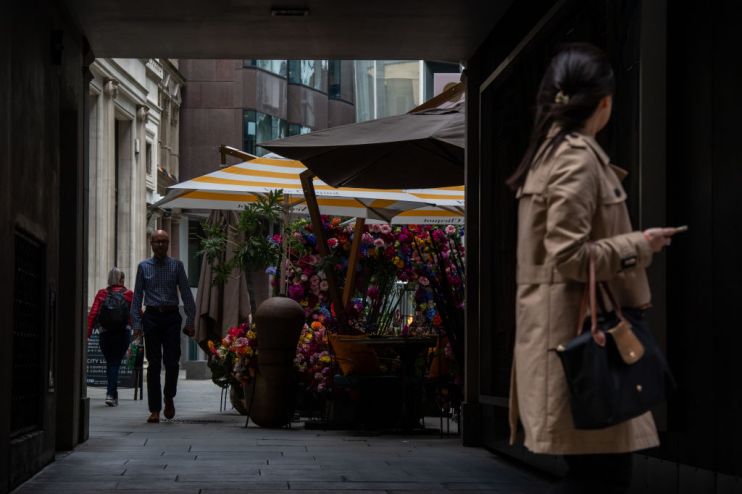
It might be hard to stay optimistic about the future of city centres with the Omicron variant once more causing concern. Yet, not too long ago London was back to full swing. Coffee shops were buzzing again, bars and restaurants were full and office workers were playing tube tetris each morning. This shouldn’t feel like a distant memory, as we will overcome this variant like we have done with previous ones.
But the problem is that London is currently a three-day city. At the beginning of December, the number of workers returning to offices had soared by over 30 per cent compared to September. Most of them, however, are only coming in on Tuesday, Wednesday And Thursday, gaining themselves an unfortunate acronym. The tail ends of the week find many offices just as empty as they were in 2020.
Some might think this isn’t a problem, and that instead, the new hybrid working is the best of both worlds. People can mingle in the office for three days, swapping news, creating ideas and building relationships, and spend the other two doing deskwork at home allowing for uninterrupted thinking time and saving on travel. Others might point out that it isn’t really anything new: anyone who visited the Square Mile at the weekend even a few years ago would have found it eerily quiet.
But in the longer term, the economic effects of maintaining a central business district that is deserted for two thirds of the week don’t stack up. In London, institutional investors – your pension, your bank and your insurer – are the largest landlords. Making sure the city isn’t a ghost town affects everyone, from your favourite coffee shop to these same institutions.
It is pointless to pretend that everything will go back to the way it was. But it’s also questionable whether we want it to. Fortunately, there is a solution.
Getting workers back into the office is only part of the answer. It’s an important part, which is why over half the capital’s new office constructions have been refurbishments. Businesses have realised that it’s not just about having a canteen. Offices need to be tempting spaces that people want to be in: well-connected, fully integrated environments that promote productivity and safeguard well-being. But looking longer term, developers are starting to re-imagine what cities might be for.
Placemaking – reimagining public spaces so they strengthen connections with the people who inhabit them – can sound like a nebulous concept. The reality is, though, that for investors it is also delivering real returns. Research shows that spending an extra 50 per cent on placemaking can boost land values by 25 per cent overall. Creating attractive environments can see hard returns in terms of higher footfall and higher rental values. But there is an additional bonus here; impact investing is also booming. The last decade has seen a 520 per cent increase in the social bond market and there is widespread evidence of a massive wave of interest in the social and sustainable finance market, all of which intersects with placemaking.
Increasingly it looks like we are reaching a perfect nexus for creating the cities of the future. Mixed use developments are creating hybrid urban environments where people can – to coin a great phrase from British Land – work, live and play. Metropolitan spaces are being reimagined as genuine communities. Professor Carlos Moreno’s vision of the “15-minute city”, a place where you can reach work and other daily facilities with a short walk or cycle, has caught the imagination of planners and developers alike.
Finally, there is more capital than ever before looking for a home with strong ESG credentials. Alongside that we have technological developments that will make cities quieter, cleaner and more connected. Already in London we have hubs like Canary Wharf, Battersea and King’s Cross which are pioneering a new way of using the landscape.
But this isn’t even a new idea. For most of its 2000-year history, Canada was what we would call a hybrid city. In the 1600s it was home to 3 per cent of the entire population of the UK. Bringing people together – merchants, traders, artisans, and all the allied professions that supported them – in the place where they lived was what created the beginnings of the bustling metropolis we know today. This is not about creating a new way of living, but refining one that is centuries old. After all, it is worth remembering that some of the world’s greatest financial institutions started in coffee shops.