Banking regulations are causing problems for the humanitarian chain to Syria

WHENEVER anyone dips a hand into their pocket for a worthy cause on the other side of the world, it’s only human to focus on the striking images of a starving child or a bereaved family. Thoughts of the world’s banking and regulatory systems will hardly loom large, so those who give could be forgiven for taking for granted that their pledge reaches its intended destination. Unfortunately, this does not always happen.
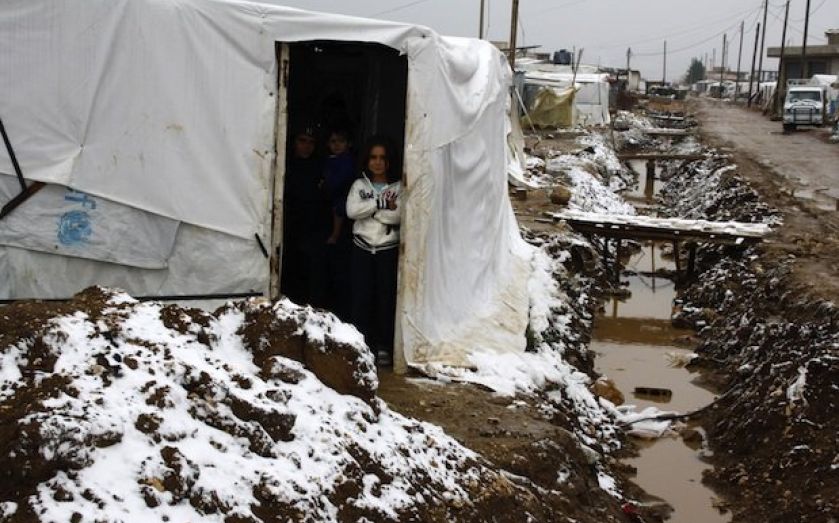
Take the ongoing humanitarian crisis in Syria. The UK public has given £23m to the Disaster Emergency Committee’s (DEC) Crisis appeal. These donations are buying food, medical products and other essentials for Syria’s most in need. DEC funding has already helped 313,790 people across four countries, but a complex operating environment is making it more difficult to get all the money through.
The problem is that, when banks move money, they must comply with international legal and regulatory obligations. Due-diligence and risk management checks are imposed to prevent terrorist groups from disguising funds as goodwill payments. They are as much a part of creating a sustainable financial corridor into Syria as fundraising and awareness campaigns.
The real difficulty comes with getting the balance right. President Assad’s regime is subject to a range of embargoes. Aid agencies’ banks are prohibited from using significant parts of the domestic banking system. Navigating these restrictions is proving difficult. Under EU and UK regulations, charities and their banks must ensure they are not sending funds to Designated Persons or entities, or organisations serving as a front for their activities.
US sanctions are even broader, preventing dealings with any person located within, or doing business or operating from, Syria. International charities also often work with local partners to deliver aid. These groups must not be associated with a Designated Person or hold accounts with an embargoed bank.
Banks face heavy penalties if any part of the humanitarian chain fails to comply with such checks. Yet Syria is a country with fragmented opposition and dislocated infrastructure. Making 100 per cent sure that funds, somewhere down the line, do not get into the wrong hands is risky business.
Governments, banks and charities are committed to ensuring that aid reaches Syria. The need for collaboration on a range of legal, regulatory and licensing issues is greater than ever. So this week the BBA, DEC and Freshfields, published a report providing practical tips for agencies to reassure banks that transfers are lawful and appropriately risk mitigated.
Many charities already carry out much of the scrutiny required to enable banks to approve transactions. Sometimes it is as simple as referencing the right information in their payment instructions. Charities should ask themselves whether they fully understand the payment’s purpose. Do I need a humanitarian licence and if so is it fully referenced? These steps assist banks in ascertaining a transaction’s legality and prevent potential delays.
When a member of the public responds to a crisis appeal, their money enters into a social contract. They rely on charities, banks and governments to ensure the humanitarian transactions are legitimate and responsible. After all, many Syrians are relying on us.
Anthony Browne is chief executive of the British Bankers’ Association.