BBC radio stations under threat as No 10 vows to scrap licence fee

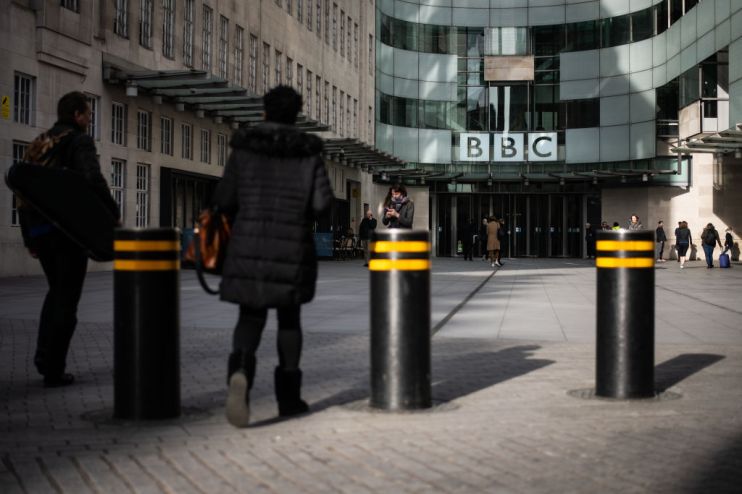
The BBC could reportedly be forced to sell off the majority of its radio stations as the government looks to overhaul the broadcaster and “prune” back its services.
Senior aides to the prime minister told the Sunday Times that they were “not bluffing” about plans to scrap the licence fee and make viewers pay a subscription.
As part of the overhaul, Downing Street could force the BBC to sell off most of its 61 radio stations, but would safeguard Radio 3 and Radio 4, according to the report.
The broadcaster could also be forced to scale back its TV channels and website while investing more in the World Service.
The proposals mark the latest ramping up of tensions between No 10 and the BBC amid speculation over the future of its funding model.
The government has launched a public consultation into decriminalising non-payment of the licence fee, while ministers have warned that the model could be scrapped by 2027, when the BBC’s charter is due to be renewed.
Supporters of the corporation have branded the move a back door attack on the BBC, and chairman Sir David Clementi last week warned that replacing the licence fee with a Netflix-style subscription model would damage its ability to provide public service programming.
But a No 10 source insisted the government was “not bluffing on the licence fee”.
“We are having a consultation and we will whack it,” the source told the Sunday Times. “It has to be a subscription model.
“They’ve got hundreds of radio stations, they’ve got all these TV stations and a massive website. The whole thing needs massive pruning back.”
The BBC currently operates nine national TV channels plus regional programming, 10 national radio stations, 40 local radio stations as well as its websites, BBC Sounds and BBC iPlayer.
The attack on the public service broadcaster is set to be led by former culture secretary John Whittingdale, who was last week reinstated as a minister at the Department for Digital, Culture, Media and Sport (DCMS).
In a further blow for the BBC, vocal licence fee critic Julian Knight was earlier this month elected as chair of the DCMS select committee.
Knight today said the newspaper reported raised some “interesting points… reflecting the view in parts of government that the BBC is too big.”
The No 10 source insisted that Prime Minister Boris Johnson was “really strident” about the need for reform.
However, senior Tory MP Damian Green hit back at the comments, saying: “Destroying the BBC wasn’t in our manifesto and would be cultural vandalism. ‘Vote Tory and close Radio 2’. Really?”
The latest government proposals are also said to include a ban on BBC stars taking large pay cheques from second jobs.
It comes after the BBC’s editorial director Kamal Ahmed last week apologised for accepting £12,000 to speak at a banking conference.
Ahmed, who earns between £205,000 and £209,000 per year, said he would no longer take the payment after fierce criticism both from the media and within the BBC.
In addition to staving off the government-led attack — which includes a boycott of Radio 4’s Today programme — the corporation is battling a decline in popularity among younger viewers fuelled by the rise of streaming services such as Netflix.
The BBC last month announced it would slash roughly 450 jobs and overhaul its news output in a bid to save £80m by 2022.
“The BBC plays an important role for the country at home and abroad, it is the bedrock of our world beating creative industries, and reaches millions of people every day,” a BBC spokesperson said. “The public back it and they will undoubtedly have their own views about the future.”