Behind the slippery slope mystery: intervention will always justify more

I don’t think this is a big step or a slippery slope, Dominic Raab said on Tuesday when asked about the introduction of Covid-19 passes. This will come as news to the people of Italy, New Zealand and several other countries where normal life is now impossible without proof of two jabs.
In Austria, the government started with vaccine passports and then moved on to a lockdown for the unvaccinated, with plans for mandatory vaccination in a few months.
Slippery slope arguments are often used by people who fear that an unwelcome precedent is being set by a new policy, such as assisted dying or laws banning “hate speech”. Such arguments are generally seen as logical fallacies. If Policy A is implemented, there is nothing inevitable about it leading to Policy B or Policy C. Each policy should be taken on its own merits.
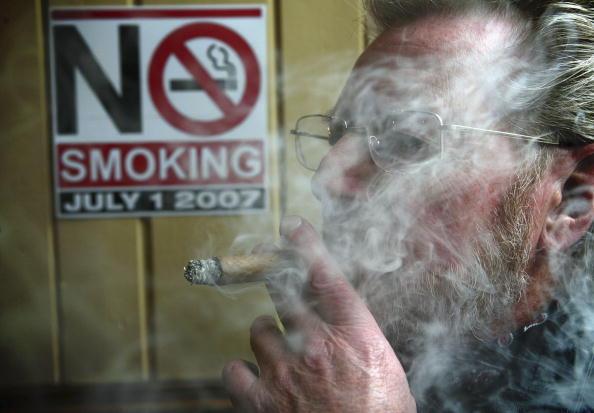
But while slippery slopes might not be inevitable, setting a precedent can open Pandora’s Box. There are plenty of examples of campaigns increasing in size and scope in a way that was not envisaged by those who started them. Last week, New Zealand’s government announced plans to gradually ban the sale of cigarettes, a policy that would have been unthinkable even a few years ago but is now portrayed as the “next logical step” after indoor smoking bans, plain packaging and the rest. In the UK, advertisements for so-called junk food will soon be banned after campaigners portrayed sugar as “the new tobacco”.
At every step of the way, those who proposed the initial legislation assured the public that there would be no slippery slope. It is less than a year since the then Vaccines Minister, Nadhim Zahawi, told the public that “no one has been given or will be required to have a vaccine passport”. On Tuesday, he voted for passes requiring proof of vaccination or a negative Covid-19 test. Anti-smoking campaigners always insisted that they were not prohibitionists. Those who campaigned for the tobacco advertising ban said that other industries had no need to worry because cigarettes were unique. Today’s campaigners who want adverts for fast food, alcohol and gambling banned obviously don’t agree.
One explanation for the slippery slope is that the people who support Policy B are not the same people who supported Policy A. Times change and people change. A war on sugar would have seemed absurd to politicians in the 1980s, but a new generation of politicians has been taught that “Big Food” is the new “Big Tobacco” and that restrictions on the food supply are the natural extension of earlier efforts to advance public health.
This is a reason to take slippery slope arguments more seriously. Political choices made today shape the political environment of the future. It is not inevitable that a tax on sugary drinks will lead to a tax on meat, for example, but the arguments are similar for both. Anti-meat campaigners will not only use the same arguments for a meat tax but will claim that the government is being inconsistent by taxing one and not the other – and they would have a point.
The definitive study of the slippery slope is titled The Camel’s Nose in the Tent by two economists, Mario Rizzo and Glen Whitman. They make the important observation that 51 per cent of the public could support the initial policy (taxing sugar) and 51 per cent could support the subsequent policy (taxing meat), but they will not necessarily be the same people. In fact, you could end up with taxes on sugar and meat despite only two per cent of the public being in favour of both.
Politicians should therefore think carefully before supporting legislation which sets a dangerous precedent. They might genuinely believe that the law should go this far and no further, but there is a high probability that they are buying a package of policies over which they have no control. Once you concede the point that nanny state paternalism is acceptable for certain lifestyles or that vaccine passports are acceptable in certain venues, you have given the ground over to those who would like to go much further. If you violate the norms which limit government intervention, don’t be surprised when the government over-reaches.