Skip to content
Sunday 13 September 2026London --:--Frankfurt --:--Zurich --:--
NewslettersSearchEN · DE · FR
MorningWire

European business, markets and politics

FTSE 100
10,650.44
+0.39%
DAX
25,568.56
+0.82%
CAC 40
8,179.77
+0.78%
STOXX 50
6,325.13
+0.90%
  • Europe
  • Markets
  • Business
  • Economy
  • Regulation
  • Politics
  • Opinion
More
GermanyFranceEU InstitutionsCompetitionPublic AffairsBankingTechnologyEnergy
  • Germany
  • France
  • Europe
  • Markets
  • Business
  • Economy
  • Regulation
  • Politics
  • Opinion
  • DE
Wednesday 19 January 2022 6:15 am  |  Updated:  Tuesday 18 January 2022 5:35 pm

Boris Johnson may be in political peril but his Covid-19 strategy was worth the risk

By: Paul Ormerod

Add as a preferred source on Google
BRITAIN-HEALTH-VIRUS-POLITICS
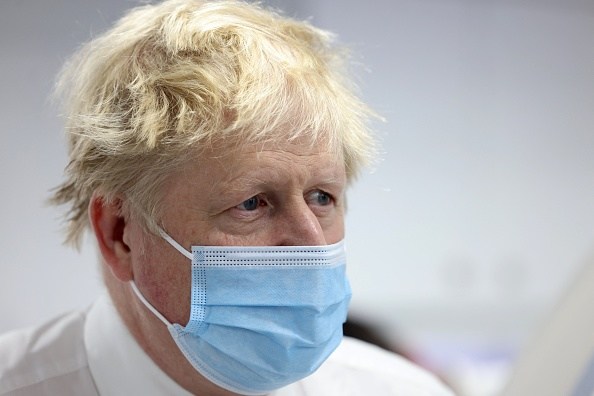
Boris Johnson decided not to add further regulations after having implemented Plan B to tackle the spread of the Omicron variant. (Photo by IAN VOGLER/POOL/AFP via Getty Images)

The last days have been of decisive importance in the life of this pandemic: the total number of Covid-19 cases in the country has started to fall, and is continuing to fall. Finally, we are well past the worst.

Something to consider is that the figures we see in the headlines, no matter what data source is being quoted, almost invariably refer to the daily number of new cases.

But the total current number of cases at any point in time would be far more relevant to consider for policy purposes. Every day new infections occur, and at the same time people who had Covid-19 stop having it. The change in the total is simply the difference between these two.

The data from the ZOE study by King’s College London has proved to be a reliable indicator of Covid-19 cases in the UK. The data from ZOE and the gold standard ONS data move together very closely, but ZOE is released first.

The total number of people estimated to have Covid-19 peaked in the data reported on Tuesday 11 January at 2.75 million. On 18 January, a week later, the number was 2.53 million, a fall of over 8 per cent.

On December 20, last year the Prime Minister announced he was not introducing any further restrictions, despite immense pressure from SAGE, health professionals and the opposition. The Scottish and Welsh governments announced stricter measures a day or two after Boris Johnson’s decision. Yet it was obvious at the time that the Omicron wave was starting to run out of steam.

That is simply because viruses spread in a very recognisable pattern. The way in which they rise and fall generates a very distinctive footprint.  

Read more

UK debt ‘hits £3 trillion’ milestone

Houses of Parliament in Westminster showcasing historic architecture under a clear sky, central to UK government and politics

Initially, the numbers rise very slowly. There is then a rapid acceleration to the so-called “inflexion point”. The numbers continue to rise, but less and less quickly, until the peak is reached. The whole process then begins in reverse.

By late December, it was apparent that Omicron was past the inflexion point. The growth in cases would soon peak, and by mid-January the total numbers would be falling.

This may seem rather abstract. But we had in front of our eyes an actual, real-life example in the form of the spread of Omicron in South Africa. Distinguished South African scientists and medics were adamant that the Omicron variant spread very rapidly, but then faded away just as quickly. They also insisted that the variant was milder than the Delta variant.  

Incredibly, this evidence was either ignored or belittled by most epidemiologists and health professionals in the UK. Chris Whitty, for example, said that there should be “serious caution” over the South African claims that Omicron was mild.

South Africa has some of the world’s leading experts in virus mutations. The country suffers seriously from HIV, which is notorious for its complex mutations.

The dismissal of the evidence of the South African scientists could readily be perceived as an act of cultural imperialism. It briefly looked like we were back in the days of the Empire, and that only the science of the Mother Country could be taken seriously.

But the last laugh is with the South Africans and the Prime Minister, who despite his flaws, was proved right.

Read more

Pernod Ricard’s results highlight the challenges for Scotch

The Glenlivet 56-year-old single malt scotch whisky bottle on a black stone pedestal with gold branch-like accents.

Share this article

  • Facebook
  • X
  • LinkedIn
  • WhatsApp
  • Email

Similarly tagged content:

Sections

  • Opinion

Categories

  • Opinion

Trending Articles

  • Wetherspoon boss: ‘Not up to Burnham’ to choose who is on the high street 

  • Badger Beer maker Hall & Woodhouse doubles profit ahead of tie-up with James May

  • Four interest rate hikes loom despite surprise economic growth

  • Primark sales slip as owner dresses up retailer for demerger

  • Barclays faces legal scrutiny over role in £90m ‘Ponzi scheme within a Ponzi scheme’

More from Morning Wire

  • UK debt ‘hits £3 trillion’ milestone

    Economics
    Houses of Parliament in Westminster showcasing historic architecture under a clear sky, central to UK government and politics
  • Pernod Ricard’s results highlight the challenges for Scotch

    Whisky
    The Glenlivet 56-year-old single malt scotch whisky bottle on a black stone pedestal with gold branch-like accents.
  • Neurodiversity, employment law and ‘reasonable adjustments’ – the new HR headache

    Law
    Four brown puppies playing on a green mat with pink toys and a paw-print blanket.
  • Let’s go to the wall to stop graffiti

    Opinion
    Vibrant graffiti art covering a brick building with parked cars in front, Truman Brewery area.
  • How the NHS backlog fuelled a private equity gold rush in UK health market

    Healthcare
    Private health insurance admissions continue to surge
  • Workers’ rights overhaul pushes Employment Tribunal to breaking point

    Legal
    LONDON, ENGLAND - OCTOBER 15: Commuters cross London Bridge on October 15, 2024 in London, England. Estimates for the September 2024 payroll indicate that the number of employees rose by 0.4% compared with September 2023, a rise of 113,000 employees. (Photo by Dan Kitwood/Getty Images)
  • Nationwide warns returns from corporate AI are still hard to measure

    Tech
    Nationwide hands customers £100.
  • Pensioners to hand over bank statements in government benefits crackdown

    Personal Finance
    Elderly hands holding British pound notes (£5, £10) and coins, representing pension funds and finances.
MorningWire

Independent European business, markets and political news for decision-makers.

Morning Briefing

Europe

  • Germany
  • France
  • EU Institutions
  • Europe

Business

  • Markets
  • Business
  • Economy
  • Regulation
  • Competition
  • Public Affairs

Editorial

  • Opinion
  • Editorial Policy
  • Corrections
  • Contact

Company

  • About Morning Wire
  • Privacy Policy
  • Terms of Use
  • Cookie Policy
© 2026 Morning Wire Ltd · Published by Morning Wire Media, Bahnhofstrasse 65, 8001 Zürich, Switzerland
Privacy · Terms · Cookies · Facebook