Britain can’t afford to spend £24,000 on every adult

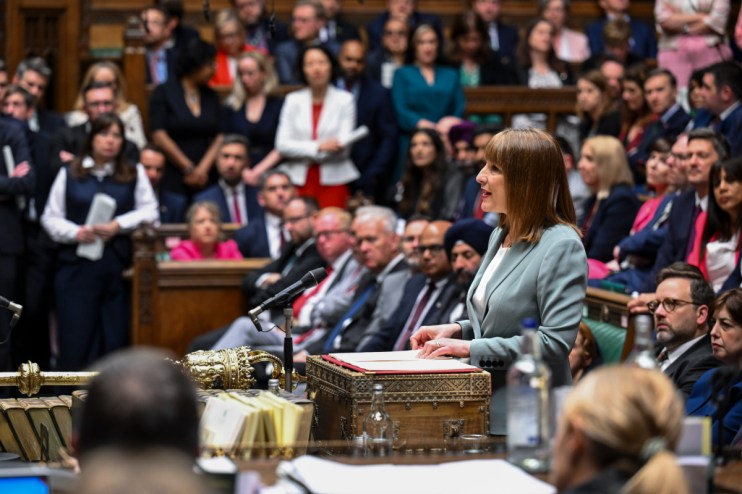
The UK is on track to spend £1.5 trillion per year, with much of the increase driven by debt interest, health and welfare costs, says Emma Revell
Back in 2021, my colleagues at the Centre for Policy Studies think tank published an extraordinary briefing. It showed that by 2025/26, the British state was set to spend the unthinkable sum of £1 trillion per year.
Just three short years later, after Rachel Reeves’ first Budget, we published another briefing. It pointed out that, having blasted past the £1 trillion figure, we are on track to spend an astonishing £1.5 trillion by 2029/30 – a huge rise on an already gargantuan sum.
Our latest briefing, published on Sunday, used figures from departmental budgets, the Office for Budget Responsibility and the Office for National Statistics to show that by next year, public spending will equate to £24,095 for every UK adult. The average salary for a full-time worker, as of April 2024, was just over £37,000. In other words, public spending per adult equates to almost two thirds the average full-time salary.
We decided to calculate our figures per adult to give a rough picture of what each taxpayer is on the hook for, as children rarely contribute much in the way of taxes. The over-65s are increasingly likely to be working and paying taxes, so we felt it right to include them. But if we’d restricted ourselves to Britons of the traditional working age, the numbers would be even higher.
What’s striking isn’t just the size of the overall figure, but where that money is going.
If you start the clock in 2019/20, the year before the pandemic, three areas account for 80 per cent of the overall spending increase: debt interest (39 per cent), healthcare (26 per cent) and welfare (15 per cent).
Debt costs £1,989 per adult per year
With rising interest rates, servicing the national debt now costs £1,989 per adult per year, more than double the pre-pandemic level. Working age and child welfare spending has surged 11 per cent above pre-pandemic levels to £2,757 per adult. And spending on health services amounts to £3,856 per adult this year, and is projected to reach £4,056 per adult by 2028-29.
This represents a 22 per cent real-terms increase in spending since 2019/20 – yet NHS productivity remains 18.5 per cent below pre-pandemic levels. In other words, we are paying more and getting much less.
For comparison, defence – an area where very few people would argue for spending restraint, given the various escalating conflicts across the world – is responsible for just nine per cent of the increase.
In any other situation, such largesse would be an outrage, not to mention blatantly unsustainable. But in last week’s Spending Review it seemed, to the government benches at least, to be cause for celebration.
Despite the regularity with which some Labour backbenchers seem to proclaim their fears about the return of austerity, the latest Treasury setpiece did not set the scene for restraint
Despite the regularity with which some Labour backbenchers seem to proclaim their fears about the return of austerity, the latest Treasury setpiece did not set the scene for restraint. Between the pandemic and the end of this parliament, overall government spending is on course to grow by 23 per cent – more than double the projected rate of economic growth (11 per cent) over the same period. And as my colleague Robert Colvile has pointed out, it may well grow by more, since Rachel Reeves has pencilled in a couple of suspiciously austere years just before the election, in order to afford all the giveaways now.
When asked about how this will all be paid for, Reeves has been carefully choosing her words. Others are not being so coy. The private sector is braced for more tax hikes and most economists seem to think they are inevitable, not just in this year’s Budget, but for years to come.
The Chancellor claims to have been promoting ‘securonomics’: ‘to provide security for working people and resilience for our national economy’. But in truth, her Spending Review – and the government’s wider strategy – delivers neither.
For years, politicians of all stripes have dodged the need for a proper discussion with the public about the costs or trade-offs required to maintain their demands for public spending – something especially critical now the post-pandemic bloat looks likely to be permanent.
Rather than having those hard conversations (just look at the debate about the winter fuel payment, or welfare reform), policymakers have placed us on a profoundly risky economic path: one of high taxes, high spending, high borrowing, low growth and huge exposure to global shocks.
We need politicians from all parties to be honest with the public about our situation – in particular, the cavernous imbalance between tax and spending, the ever-rising costs of an ageing population and the hazards of relying on borrowing to fill the gap. Without such conversations, the Chancellor may claim to promote ‘securonomics’ – but risks embedding the opposite.
Emma Revell is external affairs director at the Centre for Policy Studies