Britain deserves a New Deal — with platform workers and digital rights front and centre

Crises tend to reshape and transform how we work — and Covid-19 is no different.
From the extraordinary rise in home working and the reorganisation of physically distanced workplaces, to the sharp rise in unemployment and the existential threat now facing many sectors, the consequences to life and work will long outlast the pandemic itself.
But alongside sharp changes, there have also been deep continuities: most strikingly, the relentless growth of so-called digital “platform giants” and the increasing insecurity of work organised through them.
Together, these trends will profoundly reshape the future of work.
The Prime Minister has called employees back to their jobs from the start of next month to get the economy moving again. But if Boris Johnson genuinely wants to “build back better”, he should start by introducing a twenty-first century set of rights and protections for all workers — one that is fit for the digital age.
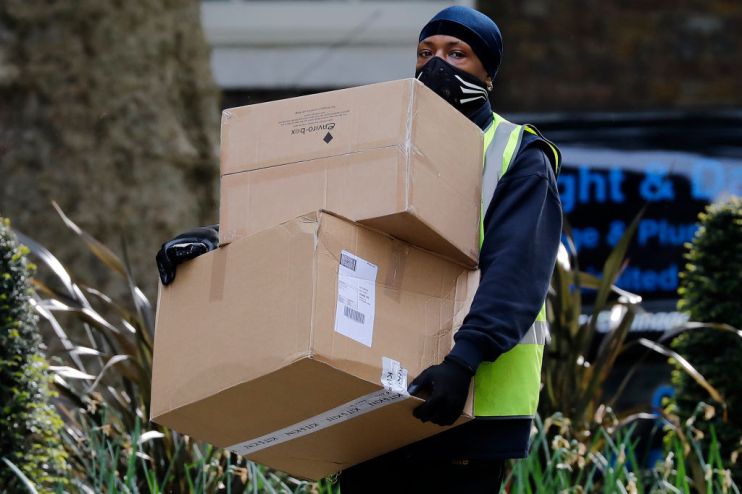
Platform workers, who have been vital to our economy during lockdown, should be at centre of reform. From care work organised via apps to parcel couriers and food delivery drivers, work that has kept us safe and connected during lockdown has been increasingly organised by digital platforms. But this style of work — so vital — often lacks the basic protections offered to other workers in a traditional employment relationship.
Earlier this week the delivery giant Hermes announced 10,500 new jobs as part of a hiring spree, with 9,000 of those jobs being self-employed couriers. This is cause for concern.
Platform work is marked by insecurity and inequality. Workers lack many of the hard-won rights that employees enjoy, with companies often refusing to even recognise them as employees. Terms and conditions are negotiated through deep asymmetries of power, and the fragmented nature of the work makes it hard for workers to organise.
In addition, platform work is shaped by the deployment of new technologies that intimately monitor and control behaviour, eroding privacy and dignity.
This matters for all of us. Workers in the platform economy are the canaries in the coal mine of the modern labour market. The techniques of surveillance, the limits on individual discretion, and the erosion of the protections of the traditional employment relationship may emerge in the platform economy, but they often quickly migrate to impact workers elsewhere.
The future of work is therefore prefigured in the platform economy. We can already see this in the changing nature of remote working, with the rise of employee monitoring software and a breakdown of work-life balance during lockdown. Without reform, this trend is likely to accelerate.
There is nothing inevitable about this erosion of rights and privacy. Work and our workplaces are where new technologies are trialled and inequalities are laid bare — but also where power is built and exercised, where progress can be made, and where vested interests can be challenged. We can win a better world of work as we emerge from lockdown, benefiting not just workers but the economy as a whole. Decent work, stronger worker voice, and good working conditions creates happier, more effective and resilient businesses.
But to secure that future we need action.
The Prime Minister recently claimed the mantle of President Franklin Delano Roosevelt, promising a “New Deal” for the UK. If he is serious, he should put workers first. A new deal at work should include specific measures to guarantee rights and securities to platform workers, as well as steps to rebalance power at work more broadly. Workers need to have a collective say in how digital technologies and their data are deployed at work, including the right to switch off, limits on the collection of data, and new transparency on data relating to pay and conditions.
As the pandemic has forced us to consider the foundations of our economy, now is the time for a New Deal on rights and protections to ensure work works for all.
Main image credit: Getty