Britain’s decarbonising its transport but it’s losing the race against time

Dozens in Germany and Belgium have died in flooding. This month Canada recorded its three warmest days ever. The planet is warming, provoking more extreme weather, disrupting fragile ecosystems, threatening planetary catastrophe. We need action quickly to meet the targets the global community has set to reduce greenhouse gas emissions.
The Mayor of London wants London to decarbonise quickly, setting a target of net zero by 2030, twenty years ahead of the government’s target. In London around one quarter of CO2 emissions comes from transport.
The pandemic has changed how Londoners get around the city, with fewer trips on public transport and more by private transport or walking and cycling. If this persists it would be a blow to decarbonisation efforts. At the same time the lack of paying passengers has devastated Transport for London’s finances.
If TfL’s financial situation can be stabilised, vital for the city in so many ways, Sadiq Khan could do a lot on making buses and the Tube greener, and he could continue to push for more cycling and walking.
But tackling the greenhouse gases that our cars, vans and lorries pump out each day, will take much more than that. So the government’s new transport decarbonisation plan, published last week, is a big deal, or it should be.
One way to tackle carbon emissions from transport is to accelerate the move towards electric vehicles. Back in March, the government confirmed its commitment to banning the sale of new petrol and diesel cars and vans from 2030. The government is now exploring banning the sale of petrol and diesel heavy goods vehicles like lorries from 2040.
These are important measures, but they look insufficient in the teeth of the climate emergency. Under current plans it will be entirely OK to drive a CO2 belching car or lorry in the capital for decades to come.
Yes, there are some measures already to persuade us to switch to greener options, including cheaper parking for greener cars in some boroughs, some subsidies and more charging points. These help, but nothing in the plan looks likely to accelerate the transition to greener transport that we need. The government seems hesitant to use regulation to get us there. Instead it is betting that consumer demand and technical innovation will get us to net zero. But there is plenty to suggest that it won’t.
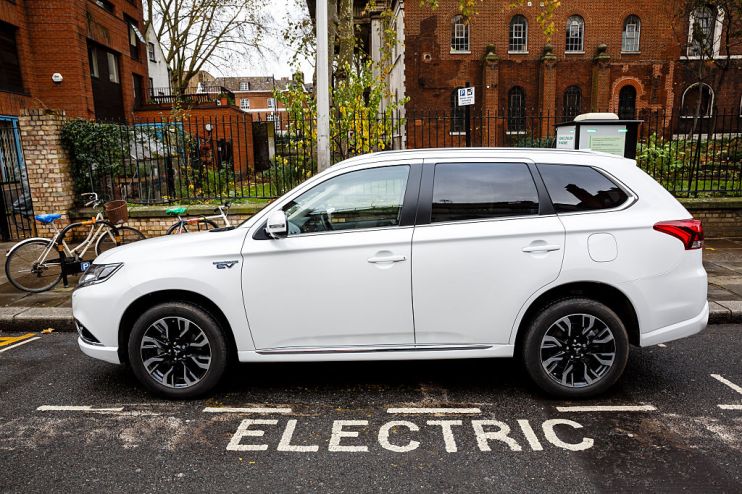
The number of electric cars has increased substantially in recent years, but still comprise just three per cent of all cars on the road. They are very expensive and potential buyers worry about range finding charging points in the right places at the right times. The transition to electric cars will undoubtedly help to reduce carbon emissions from transport.
But just swapping all London’s cars to electric won’t do. They still pollute through brake and tyre wear, and they clog our streets, a burden on all of us, and the barriers to ownership mean it won’t happen soon enough anyway. So there at least two missing pieces in the government’s transport decarbonisation jigsaw.
First is road user charging. We need a pay-per-mile car scheme to replace the increasingly complex set of charging zones and parking regimes in London. It would need provisions for the least well off, perhaps by issuing all Londoners with mobility credits that allow some free car miles, and promote using greener ways to get around. It could also help solve the TfL funding crisis.
Second comes small, sometimes tiny vehicles. Amazing technical breakthroughs mean all sorts of new small vehicles are possible. Look at the mushrooming world of e-scooters. Government, and London authorities should work hand-in-glove to ensure the city manages these new vehicle types smartly, in safe, green and healthy ways. These too could be net-positive on TfL’s finances if managed well.
London needs a new settlement for transport, including new ways to make moving around greener, easier and more pleasant.