Britons, your country needs you. It’s time to take out your wallet and spend
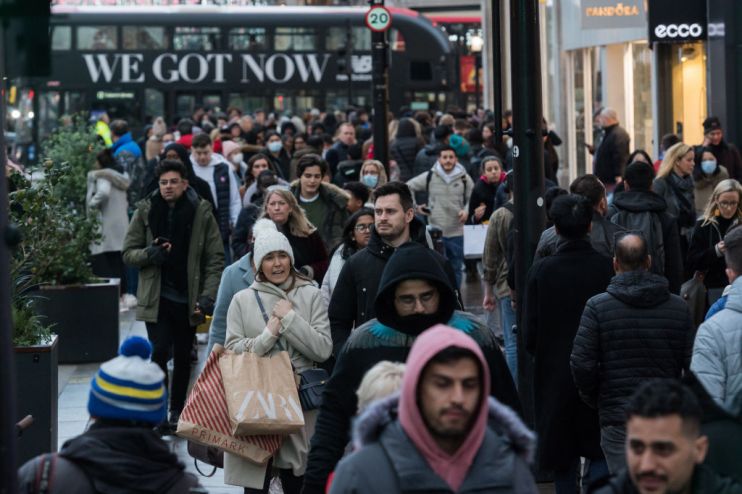
What stupid purchases have you made since Covid-19 arrived on these shores? Perhaps you bought a hot tub, some garden furniture or even a new shed.
Perhaps you are more frugal minded, opting instead to squirrel away cash that would have otherwise been spent in the pub into your savings account. If you are the latter, then the country is relying on you to spend, spend, spend. But all the signs point to you not fulfilling your civic duty.
Wealthy Brits, who have driven the pandemic savings glut, tend to have a lower marginal propensity to consume compared to those on lower incomes.
That basically means people who are richer spend a low proportion on each additional pound they earn. Instead, they are more likely to invest in financial assets or save.
However, less well off consumers spend a greater amount of any additional cash as they do not have a financial buffer to fall back on.
After accounting for spending on necessities and discretionary purchases, wealthier Brits are left with surplus income they can save, whereas poorer households are not.
Over the course of the crisis, the billions of pounds in savings amassed in the UK has mainly accrued to that richer bucket of Brits.
This is largely the result of these people having higher employment rates – a greater proportion of them operate in industries that were able to rapidly pivot to remote working practices amid lockdowns, meaning they were unlikely to be furloughed or experience income shocks. Poorer Brits were more exposed to the damage inflicted on the jobs market by the pandemic because they represent a large proportion of the leisure and hospitality sectors’ workforce.
Sharp disparities in wealth accumulation illustrated over the course of the Covid-19 crisis present serious downside risks to forecasts betting on Brits unleashing a wave of savings.
If most of the pandemic savings boom has flowed into the bank accounts of the UK’s richest, then they are more likely to flow from there into financial markets and not into the real economy.
Meanwhile, lower income households, the cohort that drives spending, are both reeling from greater uncertainty over their future job prospects and income knocks, reducing their confidence to spend.
However, the bout of inflation currently ailing the UK – now running at a 30-year high of 5.4 per cent – does strengthen the case for households deploying their pandemic warchests.
With prices soaring, Brits’ budgets are being stretched, possibly pushing them to draw from their savings to fulfil spending commitments.
But if the Bank of England launches a cycle of four rate hikes this year to get on top of inflation, as some in the City expect them to do, then keeping money locked up in bank accounts becomes more attractive.
On top of that, a number of people, particularly younger Brits, have never accumulated this amount of money before.
Many have nearly passed the threshold to make life changing purchases, such as buying their first home, casting doubt over whether they will want to pass up that opportunity to buy a new jumper or head to the pub.
Statistics released by the Office for National Statistics this week revealed Brits’ living standards are being eroded by the inflation spike.
Real wages have fallen for the first time since July 2020, dipping 0.9 per cent over the last year. This has only happened a handful of times since the financial crisis, underlining the severity of the current cost of living crisis.
There is a flip side to the argument that higher prices will cause people to dip into their savings. Why spend money on unnecessary things that are more expensive at the risk of being unable to afford basic necessities?
There is a looming 1.25 percentage national insurance hike, and substantially higher energy bills when the energy watchdog’s price cap adjustment takes effect.
It is hard not to argue a storm is building that may blow the recovery off course. While Britain’s economy has largely shrugged off the Omicron variant, it is about to lean into a cost of living squeeze that, on the face of it, will ensnare it for at least the rest of the year.