Budget 2021: Big business to pay off UK’s Covid debt burden with £45bn corporation tax rises

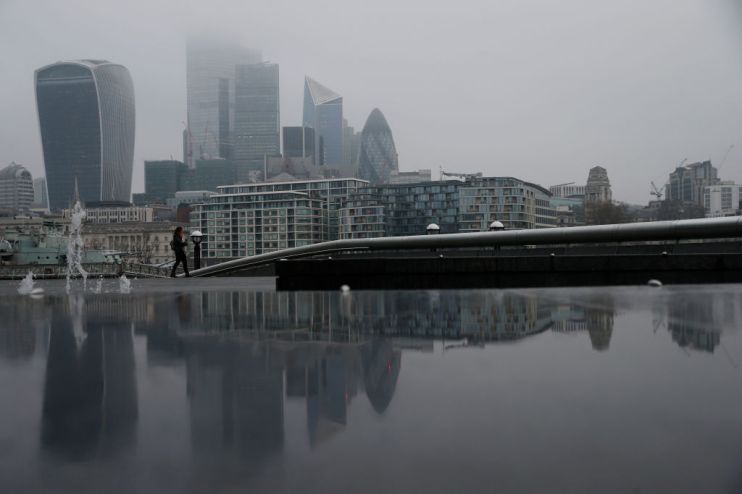
Rishi Sunak will make the UK’s big businesses pay off the country’s Covid spending, with £45bn of corporation tax rises to hit companies with profits over £250,000 the hardest.
Corporation tax will rise from 19 per cent to 25 per cent by 2023 for UK companies with annual profits of £250,000 or higher, however a new “super deduction” will also see companies wipe out their tax bills by investing in property, plant and equipment for the next two years.
The chancellor also introduced a stealth income tax rise that will raise almost £20bn to help the government pay off a £355bn Budget deficit in 2020-21.
Companies with profits of less than £50,000 will remain on the 19 per cent corporation tax rate, while there will be a sliding scale for companies with profits between £50,000 and £250,000.
The chancellor said this would mean that 70 per cent of businesses, 1.4m in total, will stay on their current rate of corporation tax.
The UK will also freeze the tax threshold at £12,570 from 2022 until 2026, meaning more low paid workers will pay income tax.
The threshold at which people the 40 per cent rate of income tax will also be frozen at £50,270 from 2022 to 2026, pushing more people into the second highest tax bracket.
Sunak said tax rises were needed to pay off more than £400bn of Covid spending this year that will result in the largest Budget deficit since 1941, which he said would be “the work of many governments, over many decades, to pay it back”.
“Our response to coronavirus has been fair, with the poorest households benefiting the most from our interventions,” Sunak said.
“And our approach to fixing the public finances will be fair too, asking more of those people and businesses who can afford to pay and protecting those who cannot.”
Tony Danker, director general at the CBI, said the 25 per cent tax rate will “cause a sharp intake of breath for firms”.
Stuart Adam, a senior research economist at the Institute for Fiscal Studies said despite the Chancellor’s assertion of the lowest corporation taxes in the G7 will remain safe but the UK’s “effective tax rate will be relatively high”.
“The UK’s headline rate will be in the middle of the international pack – and still the lowest in the G7 if USA state taxes are included. But the large rate increase will lead firms to invest less in the UK in the medium run, which will in turn depress economic activity and reduce the revenue generated by the tax rise.”
Jonathan Geldart, director general at the Institute of Directors business group, said: “The prospect of higher taxes will no doubt bite for many firms that are still tending to wounded balance sheets. Delaying and tiering the the corporation taxrise is a pragmatic approach, though adjustments to the plan should remain on the table as a clearer picture of the recovery emerges.”
The super deduction, expected to cost £25bn, will see businesses able to claim 130 per cent of their tax bill in deductions
The Office for Budget Responsibility (OBR) has said the measure could boost business investment by 20 per cent, or £10bn, a year.
“Under the existing rules, a construction firm buying £10m of new equipment could reduce their taxable income, in the year they invest, by £2.6m,” Sunak said.
“With the super deduction, they can now reduce it by £13m. We’ve never tried this before in our country.”
The British Chambers of Commerce director general Adam Marshall said the super deduction made up for the tax rises in the Budget.
“While no business will relish paying higher rates of corporation tax in future, the impact of the chancellor’s tough decision is blunted by the big new incentives for investment, lower rates for the smallest firms, and the extension of doronavirus support measures in the short term,” he said.
The tax hikes came alongside forecasts that showed the UK’s Budget deficit would be £355bn for this fiscal year – 17 per cent of national income and the highest since World War II.
Next year it will be £234bn – 10.3 per cent of GDP.
The mammoth Budget deficits were ballooned further by a suite of spending announcements, including another £60bn pledged for emergency Covid support.
This will include extensions for the furlough scheme, VAT cut for retail and hospitality, business rates holiday, £20 Universal Credit uplift and stamp duty holiday for property purchases less than £500,000.