Burnham refuses to rule out more borrowing and blames Tories for debt crisis

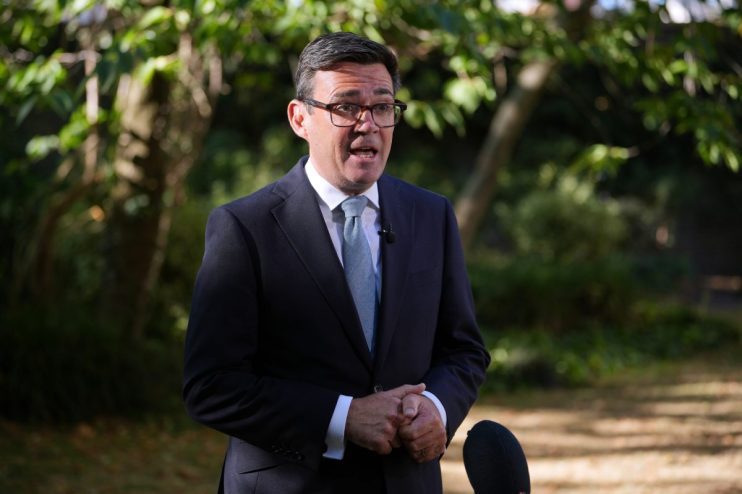
Andy Burnham has refused to rule out borrowing more and raising taxes to fund his government’s spending plans, as he blamed the UK’s vulnerability to the ongoing global bond rout on the Conservatives.
Speaking at his first Prime Minister’s Questions, Burnham said spiralling debt costs in the UK, which have hit near two-decade highs in recent days, were due to “exposure” left by the previous Conservative government.
The Prime Minister refused to rule out further tax rises or increased borrowing when challenged by Tory leader Kemi Badenoch, saying only that the government was already “taking the action needed to get debt down”. He added that Chancellor John Healey would stick to the fiscal rules and that he would lead a government “grounded in fiscal responsibility”.
“I’ve already indicated my first moves were to cut tax, but I’m not going to do what any prime minister has done and write the Budget here,” Burnham said, referring to his early moves to cut business rates on certain sectors and removal of VAT on household energy bills.
“I took a deliberate decision to set an early date for the Budget so that we reduce the period for prolonged speculation of the kind that she is wanting us to indulge in today.”
Burnham also blamed the Tories for overseeing “14 years of stagnant growth” and “14 years of debt rising” before later attacking shadow chancellor Andrew Griffith for his role as a Treasury minister when Liz Truss and Kwasi Kwarteng delivered the mini-budget.
Burnham labelled ‘spendthrift’
Badenoch said markets were worried about a “spendthrift people-pleaser” who “wants to say yes to everyone but cannot tell us where the money is coming from”.
Burnham’s first PMQs was overshadowed by rising gilt yields, pushing up government borrowing costs to highs not seen in nearly 20 years.
Economists have warned that Healey is more likely to announce tax hikes at the Budget as a result of the costs of higher gilt yields, which could halve the fiscal headroom depending on judgments taken by the Office for Budget Responsibility in October.
Burnham’s attacks on the Tories’ record in government also came despite his stated effort to end political “point scoring”.
A spokesman for the Prime Minister said he would point out “where they disagree” on policy but insisted he was willing to work with the opposition leader on welfare reform for young people out of work and social care.
Burnham’s first PMQs also featured a condemnation by the defence committee chair Tan Dhesi, who warned that “vibes alone are not going to be good enough” for protecting the UK.
Dhesi asked: “Rather than kick the can down the road, will the PM urgently commit to a pathway to reaching three per cent of GDP on defence by 2030 which as his Chancellor rightly noted is critical to keep our country safe?”
Burnham said he had “made that commitment” and a full plan for raising defence expenditure would be left to the middle of next year.