Cameron made a monumental blunder by denying Scotland the choice of devo-super-max on the ballot

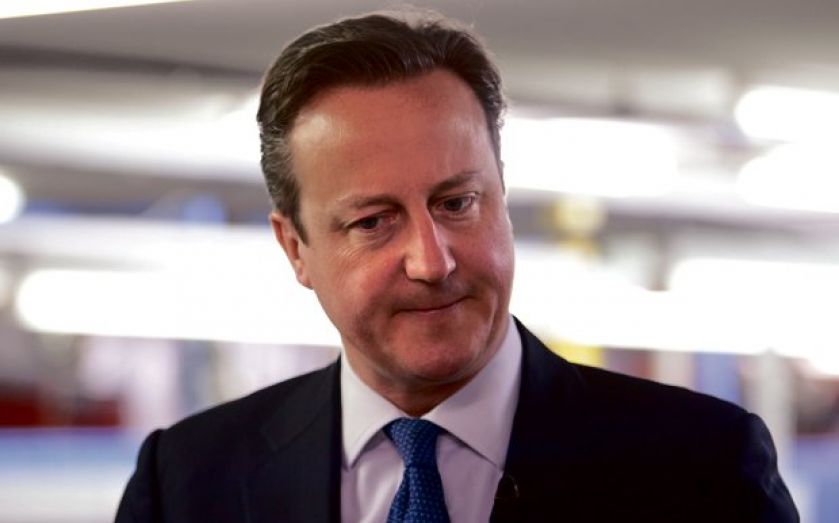
In denying the Scots the option of devo-max on the ballot paper today, David Cameron made arguably the most monumental mistake of any recent premiership. And whatever the result of the referendum, that mistake cannot be undone.
There is a clear economic justification for a union between two countries, in that it allows for the provision of joint public goods more efficiently. This may include things like border controls (assuming that both Scots and English would like free migration between the two countries), foreign policy and defence, but probably little else. Such a state of affairs would also satisfy traditionalists, who would like to see the two nations stay together: we may be “better together”, but we don’t need to have the same pensions systems.
Indeed, if we had a union with nearly all powers devolved, this would take us back to the situation that existed at the time of the Act of Union. The government did very little except manage debt and provide defence. Everything else was devolved – to the people.
So what about everything else? Pensions, welfare for people of working age, education, health, policing, justice, and so on make up the vast majority of public spending. The economic evidence suggests significant efficiency gains from fiscal decentralisation in these areas. However, these efficiency gains are only realised if the decentralised entity is also responsible for raising the taxes to finance the services.
As such, I would propose that, apart from a very small number of union-funded items, financed by a single union-wide tax, Scotland should have complete tax raising powers and complete control of its own spending – devo-super-max. There would be no direction from Westminster. Existing debt would be managed jointly. But in the future, the UK as a whole would only incur debt in relation to the tiny number of things it financed on a union-wide basis. If Scotland could not raise the taxes to pay for spending on welfare, it would have to raise debt on its own account with no possibility of any bailout. This debt would not be taken as collateral or bought in monetary policy operations by any union-wide central bank under any circumstances.
There would be other substantial benefits. The rest of the UK and Scotland could decide on the policy mix that most closely matched the wishes of the electorate in each nation. Each nation could copy policies that work from the other. And fiscal discipline arising from Scotland directly raising revenue to fund its welfare system would make it more likely that its system would be reformed. When it comes to issues such as regulation, the two nations – still in the United Kingdom – could either agree to go their separate ways or agree a common policy.
It might be argued that all this will happen in any case if a slim No vote is announced tomorrow. However, if Cameron had presented devo-super-max as a referendum option at the start, it could have been granted on his terms. There could have been a UK parliament to decide on a very small number of issues (such as defence), and Scottish MPs would have had no say on any other matters.
However, in the post-referendum chaos, it is likely that a scrap between various interests will lead to a compromise position, whereby Scottish MPs are allowed to vote on the additional devolved matters in the UK parliament – especially if Labour wins the election in May. In other words, there will be a group of MPs who are voting on issues that have nothing to do with any of their constituents. This situation existed in the nineteenth century through the concept of “rotten boroughs”. They were mainly abolished in the 1832 Reform Act. The result tomorrow could take us back in that direction.
The best outcome would have been devo-super-max, but it was refused by Cameron. Unfortunately, a narrow victory for the status quo could well be the worst of all outcomes – devo-max with Scottish MPs still voting on issues that do not affect Scotland. It’s possible that these problems will be resolved in the future, but it’s unclear whether the political impetus to do so is there.
In many areas of government policy, we at the Institute of Economic Affairs argue that the pursuit of the perfect is the enemy of the good. In this case, Cameron’s rejection of the perfect has been the friend of the worst possible outcome. Or to put it another way, the pursuit of the mediocre has been the enemy of the perfect.