Can the supermarkets ever overcome accusations of profiteering?

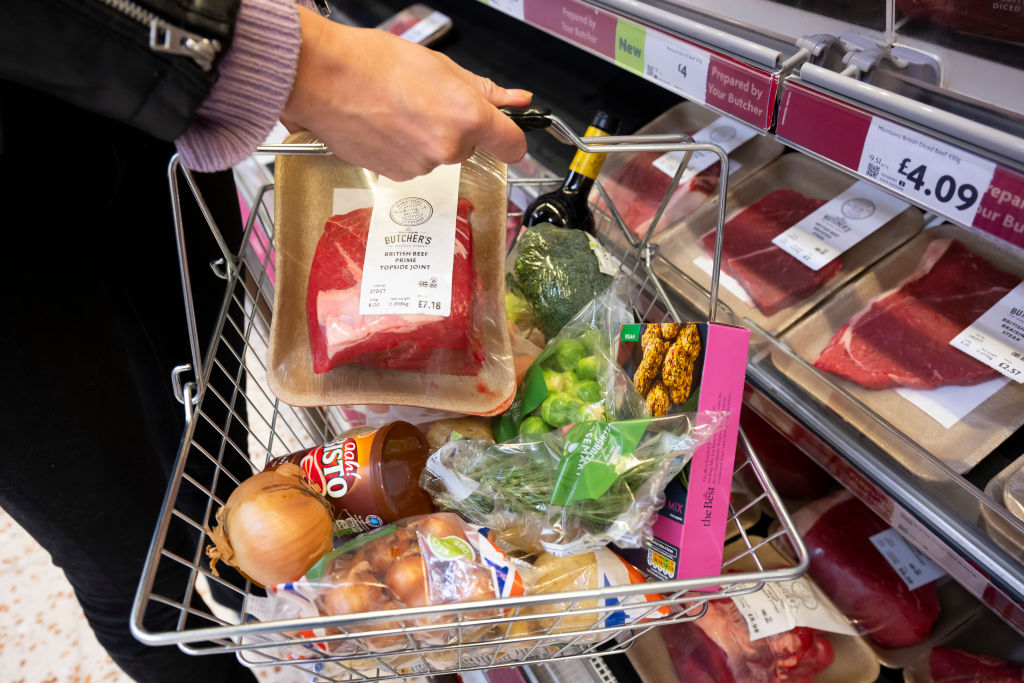
As supermarkets and suppliers are wary of passing on price drops in case of more market turbulence, we risk being stuck in a state of ‘disinflation’, where inflations drop, but costs remain high, writes Ananda Roy.
Supermarkets are in the glare of the headlines over pricing again; this time for claims by regulators and consumer groups of a rocket and feather approach to fuel pricing: increasing it overnight when oil prices rise but adjusting it more sedately, if at all, when oil prices realign. Claims of shoring up margins and profiteering in this way draw robust protest from the country’s leading retailers. However the hammer falls, the fact that consumers continue to face eye-wateringly high prices for essential grocery items has become politically untenable and economically regressive. Everyone hopes for deflation, but what is much more likely is the threat of disinflation.
When the headline rate of inflation begins to decrease while the price of certain items such as essential groceries, services or rents continues to rise or remain high, we enter a parlous state of disinflation. This macro-economic event is not as widely discussed as its close cousins inflation and deflation, but it is equally important to recognise because it will shape how retailers and brand manufacturers act in the foreseeable future. For example, they are likely to continue to be risk-averse and cautious about passing on any input cost advantages to the consumer in the event that they are caught on the wrong side of cycling prices. Effectively they are hedging retail pricing until a true deflationary market emerges.
Food producers are unwilling to pass on price drops to retailers as they also battle oscillating and chaotic costs for supplies that they have little control over: energy still well over 2019 prices; other inputs such as fertiliser, animal feed and husbandry, warehousing and insurance; on top of erratic weather that affects yield and quality significantly.
Further, there are events that are hard to predict or mitigate such as the renewed Russian threat of an export blockade in Odessa threatening food and ingredient shortages across Europe and Africa once again.
It is this volatility of supply that is ultimately affecting demand. Indeed, recent surveys highlight that a rising proportion of a UK household’s disposable income is spent on food; making non-food and general merchandise purchases discretionary and forcing shoppers to buy less, further exacerbating the challenges retailers face.
Retailers are already challenging suppliers to ‘open up their books’ in an effort to take a scythe to high prices, but it is a blunt strategy. Instead, both could use a range of sophisticated AI-based analytics that weren’t widely available in 2008 to seek out opportunities for both growth and more dynamic food pricing that reflects the demand and supply situation in near real-time. This could release suppliers and consumers from the shackles of hedged pricing strategies.
Seamless digitally-enabled operations on the warehouse-floor and in-aisles that make pricing changes less manual, time and cost intensive will also help.
Ultimately, and perhaps unfairly, retailers bear the burden of consumers’ frustration when it comes to high prices against a period of deflation where it feels like prices should be coming down. Since a France-style Government intervention is relatively unlikely in the UK, retailers and brands must work together to mitigate the risks of sticky disinflation and, ultimately, futureproof their reputations from accusations of greedflation.