
Can you compare tulips to Bitcoins? Central banks think so

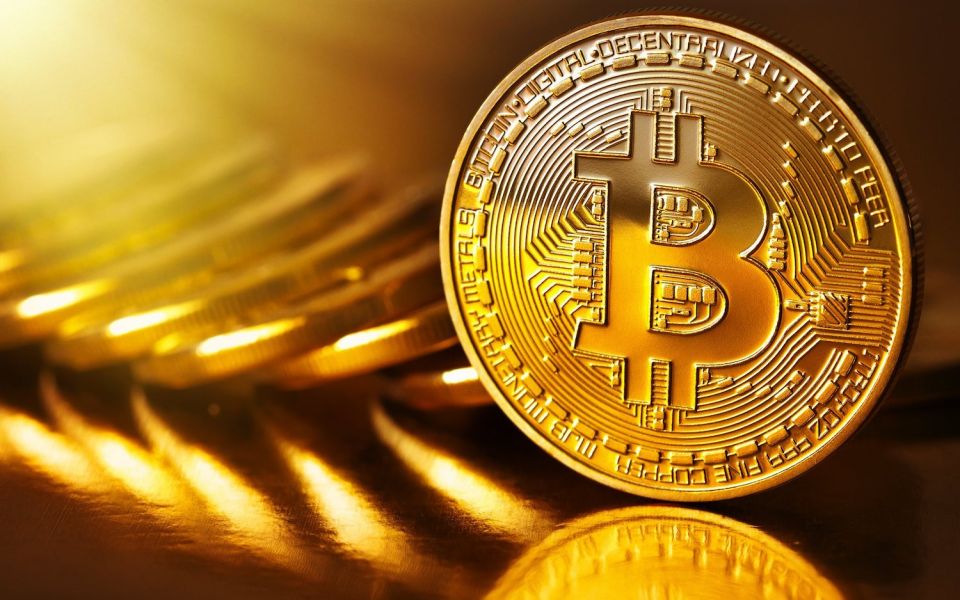
“Bitcoin is a sort of tulip”. So said European Central Bank (ECB) Vice President Vitor Constancio in September.
For many that might sound like an odd statement to make, but those that know their history – and specifically the history of the stock market – will instantly know what Mr Constancio is talking about.
For those that don’t, the reference to tulips is not as opaque as it might first appear. It’s actually quite pointed.
In February 1637, the nascent Dutch stock market experienced the first recorded market collapse in history. It was caused by a bubble… in the price of tulips.
Tulips were not native to Europe but imported from the Ottoman Empire from the middle of the 16th Century.
They quickly became a luxury item. Tulips with a distinctive multicolour effect of intricate lines and flame-like streaks on their petals became particularly popular. The intricate patterns were caused by something that today is known as the mosaic virus.
As a result, the Dutch, who are responsible for many of the techniques of modern finance, created a market for tulip bulbs, which were considered durable goods.
As the flowers grew in popularity, professional growers paid higher and higher prices for bulbs with the mosaic virus, and prices rose steadily.
By 1634, and as a result of demand from the French, speculators began to enter the market.
The price of bulbs with the mosaic virus continued to rise throughout 1636, but the price of common tulip bulbs also then began to increase, so soon any tulip bulb could fetch hundreds of Dutch guilders. Then in February 1637 the whole thing collapsed.
It began in the Dutch city of Haarlem, when, for the first time, buyers apparently refused to show up at a routine bulb auction.
It is thought this may have been because Haarlem was then in the grip of an outbreak of bubonic plague. Whatever the reason, the market fell apart and prices collapsed. So, Mr Constancio is making a serious point by comparing Bitcoins to tulips.
And given the current appreciation of the cryptocurrency it isn’t hard to see why.
One Bitcoin today is worth £7,277 ($9,715). Two weeks ago, a single Bitcoin was worth £5,379 ($7,087). In January, one Bitcoin was worth £745 ($973).
Much of the price rise is apparently due to currency speculators in China and South Korea, both of whose governments have moved to close down some bitcoin exchanges.
Bitcoin is particularly popular in the Far East and was even recently recognised as legal tender in Japan.
While the entire cryptocurrency market is worth a fairly petite $245 billion, compared to the trillion-dollar balance sheets of the Bank of Japan, US Federal Reserve and European Central Bank (ECB), it still has a lot of central bankers worried.
Mostly, that’s because of the domino effect: where a small bubble can actually have a greater impact than any would have necessarily been expected, taking other markets down with it.
But what central bankers mainly lose sleep over is Bitcoin’s ability to hamper their control of the banking system and money supply, both of which could undermine the monetary policies they use to manage inflation.
Being decentralised and trustless, Bitcoin isn't controlled or regulated by central bank. It relies on technology that can be hacked and is prone to massive price swings. All of which scares the life out of central banks. It should perhaps scare potential investors a little more than it currently does, too.