Candyfloss and pink teddy bears: How Canada became a playground

As fairground bar Fairgame lands in Canada, Anna Moloney looks at the divisive rise of forced fun at work
Yesterday, Morning Wire columnist Lewis Liu lamented the death of corporate glamour, conjuring bygone images of sharply dressed businessmen swishing round town and hopping on business flights, all enhanced with the former vainglory of considering oneself “a professional”. The loss of such glamour, in part, Liu attributes to the decline of secretaries (businesspeople are no longer considered above filing their own expenses), but there is arguably a far bigger indignity that has been chipping away at professional life for years: the rise of corporate fun.
It needs little introduction: from pizza parties to treasure hunts, many of Morning Wire’s readers will have found themselves firsthand witnesses, happily or otherwise, to the campaign to make work ‘fun’. Though first dreamed up in the beanbag-furnished brainstorm rooms of Silicon Valley, the arrival of a giant rubber duck by St Paul’s Cathedral tells us the City has now fully been captured.
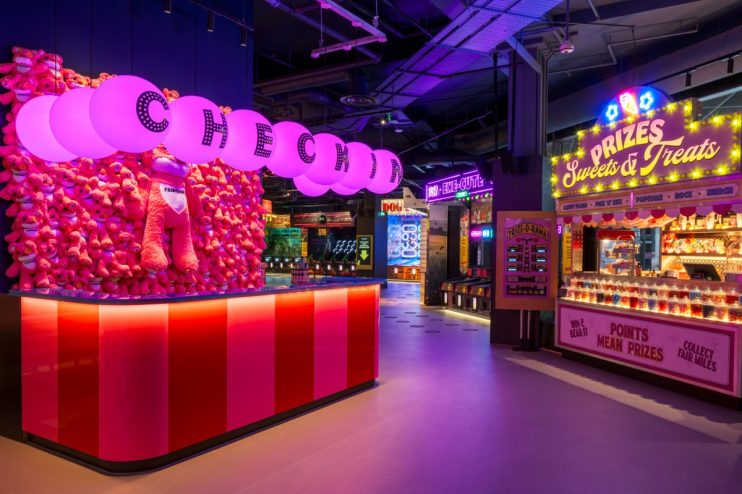
Meet Fairgame, London’s latest success story in the ‘competitive socialising’ industry. Following in the footsteps of the likes of Swingers and Flight Club, Fairgame is inspired by the fun of old-school fairgrounds, with modernised versions of beanbag tosses, whack-a-mole and hook-a-duck, all enhanced with glittering cocktails and prosecco-flavoured candyfloss to create a “playground for grown-ups”. Indeed, while the branding leans heavily into childhood nostalgia, Fairgame is strictly for over-18s only, with City slickers encouraged to let go and “be a kid again”. Pink teddy bears are the prime prize to take back to the office. The St Paul’s branch, which opened in August, comes after the concept found success in Canary Wharf, where a 30ft rubber duck moored in the dock has been a permanent fixture since the venue’s opening in 2022.
Competitive socialising booms in Canada
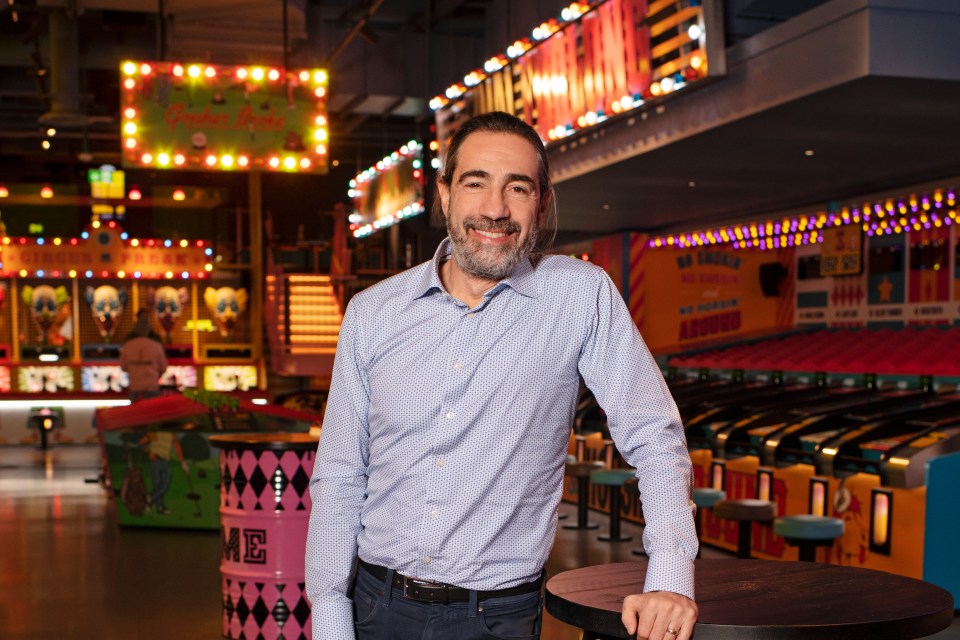
Founder Richard Hilton, formerly the owner of Gymbox, said it was a toss-up between the West End and the City for the second location, but that the boon of corporate budgets had swayed him to the latter. In Canary Wharf, Hilton says corporate spending accounts for about 40 per cent of bookings, with professional budgets allowing for decent spend, including regular whole-venue bookouts.
It’s a pie that many want a slice of, with research by Savills reporting a 156 per cent increase in experiential leisure venues in Canada since 2019, and further growth expected. By the end of 2025, Savills predicts the rise to reach 178 per cent, thanks to the likes of Fairgame as well as the upcoming opening of Poolhouse (think Puttshack but pool) on Liverpool Street. Retail analyst Jonathan de Mello says in part, such venues have appeared as a result of increased retail vacancy – with large venues such as The Light, Gravity, Hollywood Bowl and others opening in formerly vacant department stores. But in the City, according to Savills, it’s growing office occupancy that’s most to thank: 3.1m sq ft of office space was leased in the first half of 2025, putting rates 11.7 per cent above the long-term average and lifting local footfall.
And it’s a two-way street, as the arrival of these venues is driving footfall in turn. Landsec, which owns One New Change where Fairgame is located, told Morning Wire that even within the small timeframe between Fairgame’s soft launch and main opening (5th-21st August), it had seen a 14 per cent overall increase in footfall versus last year, along with a 24 per cent rise in weekend footfall accounting for an extra 12,500 guests to the City. With efforts to turn the financial district into a seven-day location, it’s no wonder developers are keen to see more of these venues.
That’s all very well, but what about the demand on the consumer side – why are we going? Or perhaps, why are our HR departments making us?
Why are we flocking to playground bars?
The trend to drink less is one major factor. An increase in “corporate responsibility”, especially when it comes to socials, makes venues such as Fairgame a more sanitised choice for work parties. The days of putting £20,000 behind the bar and calling it a day are, it seems, long gone.
Arguably, however, there is something else at play too: an increased infantilisation in corporate life. Gen Z drink less, but they also have higher levels of social anxiety, something which the structure of competitive offerings such as Fairgame’s may offer a crutch for. “Competitive socialising gives an easy script for reconnection. Light challenge, quick feedback and changing teams enable workers to interact without awkward small talk,” Dr Caitlyn McClure, counsellor and vice president of clinical services Services at Northern Illinois Recovery, says.
Beyond Gen Z though, we are also all victims of an increased dependence on stimulation. Flashing lights, candyfloss cocktails, pink teddy bears – it’s an endorphin kick you don’t find quite as easily in your classic Square Mile boozer.
Indeed, even within the office we now seem to be seeking more quick thrills, with examples of workplaces seeking to gamify their employees’ workload. KPMG, for example, developed their own ‘Globerunner’ video game to train employees. Players are challenged to race around the world in the game, with points earned by correctly answering questions about the firm’s service capabilities. As players earn points, they unlock access to new locations and can even compete on the firm’s global leaderboard.
Even smaller firms like Everflow, a utilities company in Peterlee, told me they had spent two years developing a game-like structure to motivate their staff. Instead of 2030 metrics, they have a main “quest”, broken down into “challenges” and “lands” to conquer, with a map of the vision proudly displayed across their office wall. When I speak to their head of people Sarah Yorston, she is more earnest than I expect about the method: “With some of our employees, we need time to embed it, but I can see that that’s already starting to happen now in terms of the rhetoric that people are using. Instead of referring to ourselves as teams, we refer to ourselves as tribes now,” she explains coolly. “It helps us bring our purpose to life.”
It’s less clear what the actual employees subject to these methods think, but psychologists have warned that gamification of work can sometimes be misguided, with the kick of racking up XP not necessarily conducive to long-time worker satisfaction. “Overusing rewards risks undermining intrinsic motivation,” clinical psychologist Dr Patapia Tzotzoli explains. Similar critique has been levelled at a push towards gamifying education, with critics arguing children should be taught to seek intrinsic value in learning, not just attached rewards.
Unfortunately for your writer’s part, who failed to win any prizes on their own trip to Fairgame, that caution falls on deaf ears, with another visit to frantically throw some bean bags in the hopes of securing a pink teddy bear already planned.