As the cashless world grows, our financial ecosystems must build strong structures

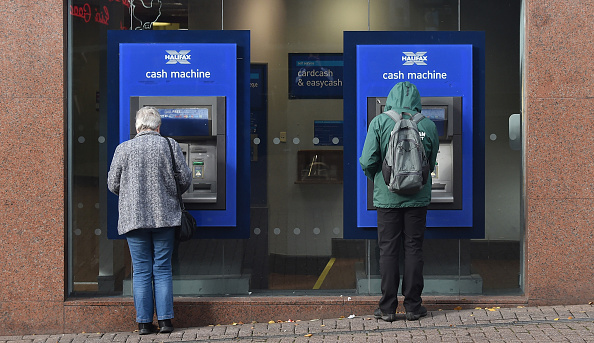
The cashless debate has been raging in the UK for the better part of a decade. While some are worried about phasing out physical cash, the pandemic has catalysed its decline – it’s no longer a surprise if your local coffee shop turns down a crumpled note in favour of a contactless credit card. UK Finance reported that the number of UK payments using notes and coins fell by 35 per cent in 2020, with 13.7 million Brits leading a “cashless life” in the first year of the pandemic – almost double the 7.4 million in 2019.
The benefits of a totally cashless society are clear. Pandemic aside, with no more cash-in-hand transactions, it becomes much harder to trade black-market products or to avoid tax. That’s just the tip of the iceberg for regulators and policymakers. When coupled with the increased digitisation of banking over the last decade, a cashless Britain is no longer a question of ‘if’, but more a question of ‘when’.
However, there are still several major hurdles to overcome before the cashless vision can become a reality. Fundamentally, we have yet to lay some of the foundations, and the regulatory and infrastructural frameworks simply aren’t ready.
Firstly, we still don’t live in a country with a fully online-banked population. Especially in very rural areas, many rely on physical cash as their main way of paying. No phone signal and slow internet make it extremely difficult to check balances, complete payments and set up accounts online – and card readers rarely work at rural pubs and village shops. Without access to the internet, cashlessness is not feasible.
That’s not to mention those groups that rely heavily on hard cash. For instance, homeless people with no permanent residence often can’t even open a bank account – let alone accept digital donations from passers-by. We will have to reach a UK where 100 per cent of people have full access to all financial services before full cashlessness can even be considered.
Open Banking is the most recent example of a large-scale, cross-bank financial framework. However, while almost everyone with a UK bank account can use the framework, the Open Banking Implementation Entity’s (OBIE) latest figures show only five million users out of a potential 50 million. Getting people on board with these sorts of initiatives is difficult and requires high levels of financial literacy and engagement.
Though the pandemic has gone far to encourage many to get online, there are still millions who have a limited understanding of digital finance. For digitally native people, getting rid of cash would have little to no impact on day-to-day life, but for some groups, learning an entirely new way of handling their finances isn’t only a hurdle – it’s a risk.
Open Banking has historically faced concerns around data privacy and cybersecurity, which still pose a major challenge for the project – “If one account is hacked, does this mean all my accounts are compromised?”. However, unlike Open Banking, a cashless society affects everyone – not just those who opt in. If we were to create a cashless society, we would be forcing millions of the least digitally-savvy citizens online – and the least secure point of any online system is already the user.
Digital and financial literacy are crucial. So is getting the whole population onboard – not just the digitally native – not just those living in fibreoptic cities – not just those with a roof over their heads. Everyone will need a bank account, a strong connection, and the tools to protect their finances online. We cannot simply phase out cash. We need to make significant, fundamental changes to the entire financial ecosystem.