Cazoo, Getir and Peloton: The Covid high-flyers that came crashing down to earth

The first quarter of 2021 will go down as the high water mark in pandemic mania.
Historically low rates, trillions of dollars in quantitative easing and, practically speaking, billions of people being locked up on and off for the best part of a year led to a frenzy in global finance.
Peloton – the fitness equipment maker that had joined the Nasdaq in valuation of $8.1bn in 2019 (£6.4bn at the time) – rode a tidal wave of demand for at home workouts that helped it to an astronomical market cap of $46bn (then £34bn).
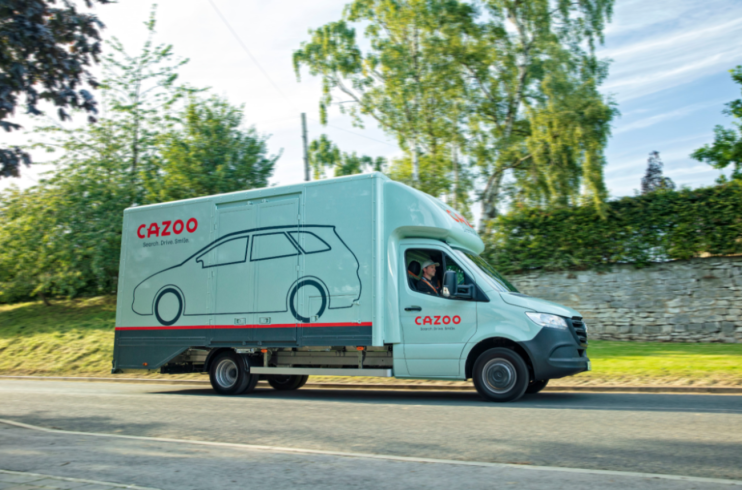
Cazoo – the online second-hand car dealer that proclaimed its sector “ripe for disruption” – controversially announced a bumper $7bn (£5bn) IPO on the Nasdaq that valued it at $7bn dollars (£5bn), despite revenue of just £75m the previous year.
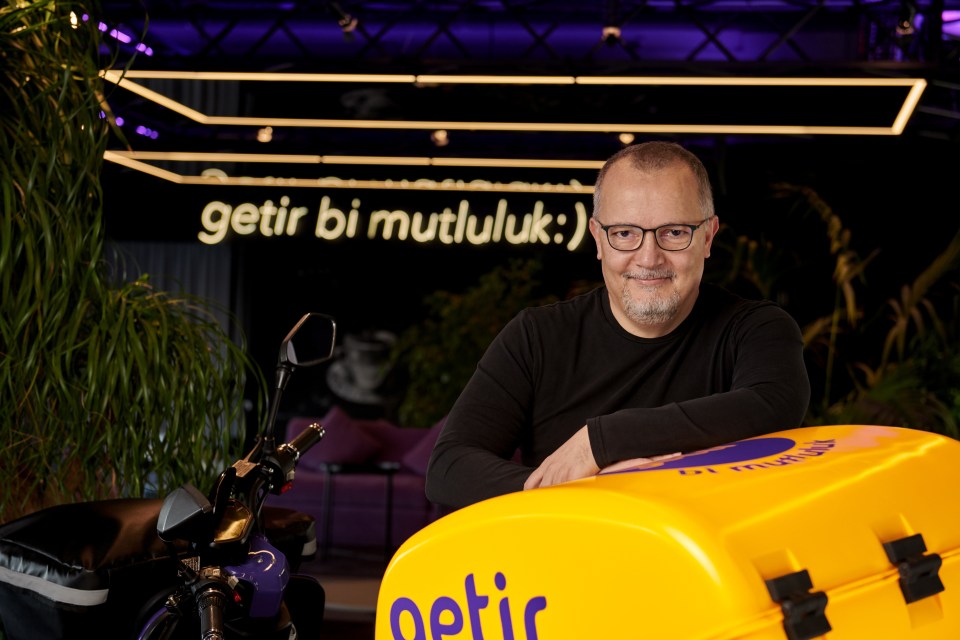
And in the private markets, a little known grocery delivery service called Getir – worth $850m at the time – officially entered the UK in January, promising consumers supermarket items in less than 15-minutes. Before June it had raised a funding that valued it at $7.5bn.
Just over three years later, and the triumvirate of high-flying pandemic darlings have all, in the space of less than a month, have suffered inauspicious, ignominious trips back down to earth.
Getir was the first to go: announcing its plans to quit the UK and four other key markets, leaving football club Tottenham Hotspur out of pocket to the tune of several million pounds.
Then, earlier this week, Peloton – now worth less than a billion pounds – was forced to refinance its debt days after CEO Barry McCarthy quit following weak results.
And to round off the trio’s collective fall from grace, Cazoo’s penchant for disruption, which, it transpired, extended to the company’s bottom line, led it into administration on Wednesday, with its parent company set for liquidation.
The three companies’ rapid ascent and equally expedited decline offer a cautionary tale about the madness of the herd, and many investors’ unwillingness to look beyond their immediate circumstances.
Why did the likes of Cazoo and Getir collapse?
“One of the biggest mistakes a company or an investor could have made during the pandemic was to think the market backdrop had permanently changed,” says Dan Coatsworth, an investment analyst at AJ Bell. “Many businesses saw a pull-forward in demand, achieving stellar growth levels as people were bored at home and merrily ordered things online to keep themselves entertained.
“The idea this sales boost would be sustained was unrealistic and plenty of companies are now experiencing a post-Covid hangover, some have even collapsed.”
Susannah Streeter, head of money and markets at Hargreaves Lansdown, also points to the short-sidedness of investors, expecting the ‘new normal’ to be – as the name would suggest – a normal.
“There had been expectations that the new habits which popped up during the pandemic and the rapid acceleration to digital and virtual ways of living and working would be long-lasting,” she tells Morning Wire
“But, as the years have gone by since the worst of the Covid outbreaks, we’ve crept back into our more traditional routines. This has weighed heavily on companies which saw surges of activity lockdowns.”
“The great slosh”
This helps explain the drastic downturn in sales. In Cazoo’s case, its financial predictions were massaged by a major shortage in chip supply, that plagued new car makers, and forced consumers to turn to the second-hand market.
And as far as Getir and Peloton were concerned, the shift in consumer habits permitted by countries ‘unlocking’ meant people traded in their services for the real deal.

But there was another incontrovertible element of their ascents beyond changing tastes. Late 2020 and early 2021 was an almost unique investment environment, that many traders – even ones more long in the tooth than the lockdown retail investor archetype – failed to recognise.
“At the time, investors didn’t seem to care [about fashionable firms’ fundamentals] – they were lapping up anything that looked exciting and didn’t care about how much they paid,” says AJ Bell’s Coatsworth. “Record low interest rates, quantitative easing, furlough schemes and other initiatives saw a lot of cash slosh into financial markets, and many investors lost their discipline.
“They were lulled by cheap money, the prospect of quick gains and a feeling that the world would never be the same again – we’d all work from home, only buy things online, interest rates would stay at zero forever and so on. That didn’t turn out to be the case.”
Private money’s ‘flight to quality’
This was even more pronounced in private markets, which tend to do even better from a low rate environment. Guy Hands, the founder of Terra Firma, summarised the period more bluntly, telling the BBC: “Those of us in private equity got incredibly wealthy.”
Consequently Getir helped itself to logic-defying valuations thanks in part to investment firms’ coffers being so full, and the return on “safe bets” like bonds being so low, that riskier, more fashionable bets became par for the course.
Hector Mason, general partner at the seed stage venture capital house Episode 1, says the return to more normative interest rates prompted a major readjustment in private capital markets that
“The best companies still find it really easy to raise money and get decent valuations – just look at the Wayve round that happened last week,” he tells Morning Wire “What’s changed is the middle of the pack find it harder to raise. In 2020 and 2021, there used to be someone, somewhere who’d invest in pretty much anything but there’s been a flight to quality among investors.”
As Hargreaves Lansdown’s Streeter points out – the pandemic will have been a “bad dream” for many consumers.
But investors whose hot heads were enamoured by even hotter firms like Getir, Cazoo and Peloton will also bear the scars of the period too.
As the investment adage goes: it’s never different this time.