
Child eye health: Everything you need to know

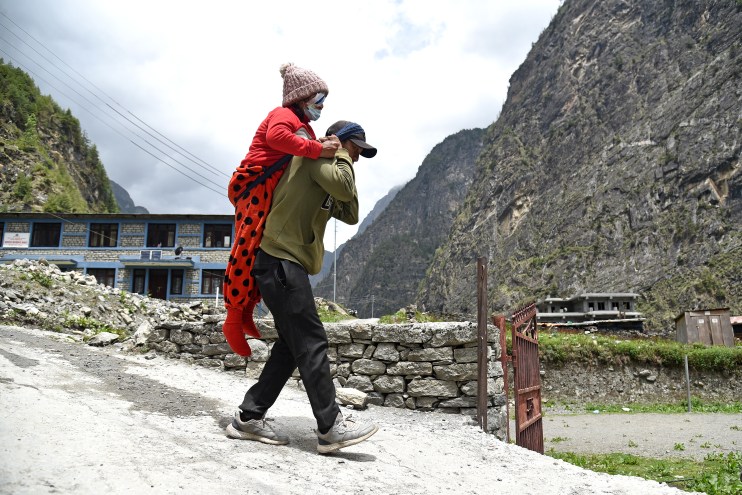
Children across the globe continue to suffer from vision loss, which could be prevented or treated. The number of children and infants is growing exponentially. It is estimated that by 2050 many more children will remain undiagnosed and untreated.
Whilst solutions are available to prevent the child’s eye health from worsening, however drastic and significant interventions are needed. Introducing strategic collaborations, effective prevention and innovative treatments are vital for children to live a life with healthy eyesight.
Growing Up Blind
A variety of studies has shown that vision impairments can often be associated with a poorer quality of life and lead to other health issues. Young children with early onset vision loss can experience a delay in the development of language, motor, emotional, social and cognitive skills. These are some of the fundamental elements of a child’s progression through life – without these skills, they are walking into a life of hardship.
Sight loss in children can also negatively impact their self-esteem and personal development. On top of this, vision loss in developing countries can cause a lack of sufficient education. The Lancet Global Health Commission reported that children that experience vision loss in low and middle-income countries are five times less likely to be in any type of formal education. Educational outcomes are often the gateway into a life free of poverty and hardship, however, without access to education the child is almost destined to struggle socially and economically.
The Facts
- There are currently 448 million children and adolescents who have refractive errors.
- There are also roughly 90 million children and adolescents living with sight loss.
- 2 million of those children are living with blindness.
- 30 million have moderate to severe vision loss.
- 58 million have mild vision loss.
The prevalence of sight loss and visual impairments in children changes drastically depending on the country or region. However, when refractive errors are excluded, blind child prevalence is decreasing in all regions due to a reduction of corneal blindness that was once caused by a vitamin A deficiency and measles.
In developing nations, there are 1.5 cases of infant blindness per 1000 live births. This is much higher in comparison to Western countries where only 0.3 cases occur. The majority of blind children reside in the developing world. It is estimated that 200,000 children suffer from cataracts, which is one of the most cured forms of blindness worldwide.
It is also estimated that 40% of children suffer from blindness due to eye conditions that could have been prevented or treated. It has also been stated that children who are blind are more likely to not live past childhood in comparison to a child who is not blind.
A report that reviewed barriers to accessing paediatric eyecare discovered that in African countries, barriers to paediatric eyecare included affordability, accessibility and availability. It was also stated that many low and middle-income countries are at a loss in terms of geographical barriers, health beliefs, cultural differences and perceptions of parents – which included a lack of knowledge and varying attitudes and understanding regarding paediatric eye care.
The report also pointed out that many children will fail to point out an issue with their vision meaning parents, guardians and teachers are unable to intervene early and effectively. Although this is a major barrier to the prevention of sight loss, resources in some sub-Saharan African countries do not have adequate and sufficient resources to treat those in need.
Early Detection
Detecting visual impairments in children early is critical. The leading cause of blindness in children is refractive errors which are relatively common in various countries. Other common causes include retinopathy of prematurity, cataracts, congenital anomalies, corneal scarring and cerebral visual impairment. The most prevalent across the world is cataracts. Treating avoidable blindness early is vital as this can decrease the risk of child morbidity and mortality.
To alleviate the outcome of poverty, the introduction of school-based eye health programmes would be cost-efficient and would also promote positive socioeconomic results for the futures of blind/visually impaired children.
School Eye Health
As a way to detect eye health issues in children, school-based eye programmes have been adopted in many regions. These programmes are used to promote cost-effective and efficient methods to deliver eye care to children.
Introducing programmes into schools can also increase the access to eyeglasses for children which will ultimately improve their educational experience and outcomes. However, whilst introducing eye care into schools has worked well so far, it is important to recognise that many children who suffer from some form of visual impairment are much less likely to attend school due to low self-esteem or lack of understanding. On top of this, many young girls are disproportionately displaced out of education meaning that the school’s eye health programmes will not be realised by many, especially in lower-income and rural communities.
Much like eye health as a whole, child visual impairment has become a global health issue. Many children are living with preventable and treatable sight loss and blindness. Whilst this can be avoided, access to resources is difficult to come by, especially in low and middle-income countries. If organisations and countries begin to implement systems where visual defects can be caught early then the future of millions of children will be saved from poverty and darkness.
The Tej Kohli & Ruit Foundation is a restricted fund operating under the auspices of Prism The Gift Fund, registered UK charity number 1099682.