Christmas sales were a moment of reprieve as high streets play whac-a-mole

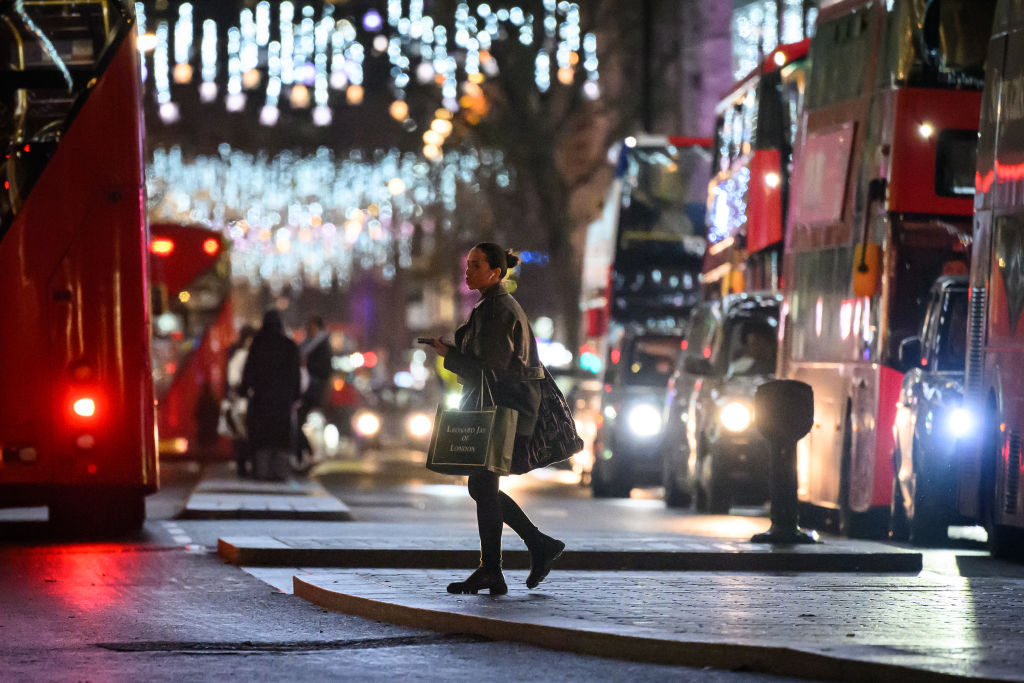
Even the biggest retailers were severely dented by the pandemic, strikes, inflation and rising energy costs. It might be a game of whac-a-mole, but the high street is ready for another year, writes Richard Curry.
The obstacles facing retailers keep popping up like whac-a-mole. Hot on the heels of Covid and the acceleration of online shopping came a protracted period of rising inflation and corresponding interest rates. Throw in the energy crisis, affordability issues, business rates and spiralling consumer confidence and even the more robust brands have run out of mallets.
Even still, sales managed to outperform expectations at the end of last year, over the crucial Christmas period. And that’s despite the last minute moles of postal strikes, train strikes and abysmal weather.
Pubs were the winners in hospitality, with local pubs less reliant on transportation – not hit by rail strikes – seeing big increases in trading. Marstons said their pre-Christmas trading was 26 per cent higher than 2021 and up 12.9 per cent versus the same trading period pre-Covid.
The wine warehouses also continued their soaring trade in 2022, one of the few winners from the pandemic, with brands such as Majestic now firmly on the acquisition trail in 2023.
But amid these nuggets of good news comes a strong dose of reality. Yes there are some genuine winners and this should be celebrated. But these “wins” are a result of a fairly skewed picture.
The results look positive largely when compared to the abysmal performance the year before, where physical retail, pubs and restaurants were impacted significantly by the second winter wave of Covid with consumers reluctant to mix pre-Christmas. In addition, the tiered system of 2020 shut down various areas early and completely.
The last few years of Christmas bookings were severely dented by the pandemic, either by lockdowns or self-isolation. Last year, they returned, albeit stripped back, with more relaxed celebrations in the pub that large-scale entertainment.
While the postal strikes affected online sales for many of the big brands and pushed people back to their physical stores creating – in particular – regional footfall, this was at the sacrifice of the usual crowds heading into London thanks to the train strikes.
And even with consumers shops, what they were spending was much lower than expected. Anecdotally, families were spending Christmas in larger groups than the previous two periods and, as a result, participating in more “Secret Santa” type present giving, rather than having to buy multiple presents for each family member.
Instead of the more recent trend of visiting the high street to browse and then buying online, people were researching gifts online and visiting their local town centre to buy. What this means is that they had a purpose to buy a specific product and their dwell time was cut short.
In other words, performance was better, but largely only because our expectations were so low.
And even while sales may have been up, overall performance of companies would have been dented by lower margins, chipped away by rising costs in energy, issues within the supply chain, inflation, business rates relief ending and so on.
No doubt this year will provide plenty more moles which need a good whacking. But retail and hospitality up and down the country will be examining their portfolios and building a healthy dose of flexibility into their strategy. Whether this means acquisitions as per Majestic, disposals as per Co-op or a strategic management of the assets in play a la M&S, one thing is for certain – there will be no lack of transactional activity for those in the market who know where to find the real mountains amongst the molehills.