The City is under attack from Brussels – for being a symbol of capitalism

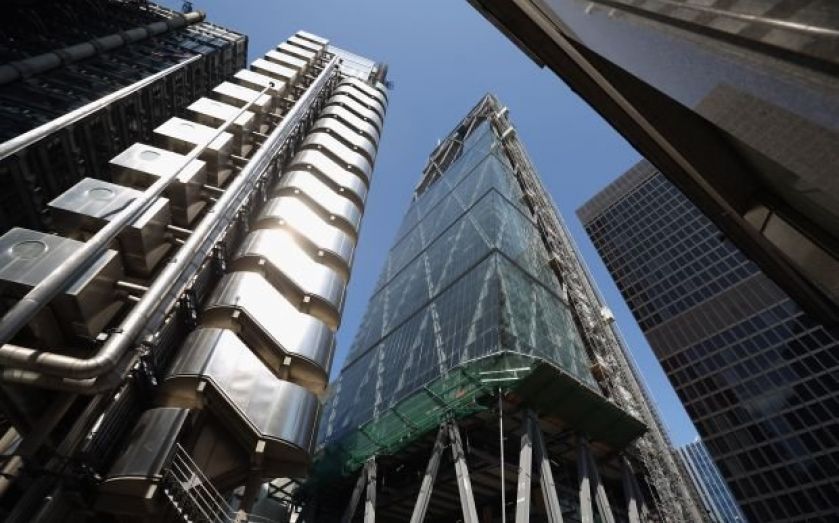
The City is England’s smallest county by area and population, so the fact that over 700,000 people are employed in finance and associated professional services in London is a testament to its importance and prosperity as a giant of the financial world. It is the world’s leading exporter of financial services: the value of the UK’s trade surplus in financial services is double that of the next largest country surpluses, recorded by Switzerland, the US and Luxembourg. Yet the City is now under attack – not just for its business and its money, but for everything it represents.
The City is the beating heart of Europe’s financial system. It is not under attack from smarter competitors, from locations with better infrastructure and stronger business frameworks. It is under attack from the EU. The City is the foremost symbol of rational, financial markets in Europe, and the EU is seeking to restrict this.
A recent report by professor Tim Congdon for The Bruges Group, entitled London in Retreat, correctly identifies international financial services – in which the UK has always excelled – as particularly at risk from the EU. And in my view, the trend of excessive and unfriendly EU regulation is not likely to be reversed unless the UK government recovers the power to set the financial sector’s rules. Policymakers in Germany, France and other continental European countries are keen to assert their influence, and new dangers are emerging all the time. Take, for example, the recently-established European Systemic Risk Council, which has the power to close down a financial institution.
The intentions behind the creation of the euro also need to be highlighted. There is no doubt that the euro was created as a means of shifting Europe’s financial centre of gravity from London to mainland Europe. Since then, the euro has indisputably shown its true colours. Anyone with a rational view of the world knows that the single currency has been an historic failure of giant proportions.
There is one thing, and only one thing, that can rescue the euro. That is much more extensive integration between Eurozone countries: a common financial policy, common debt issuance and a willingness to pay enormous transfers from the rich to the poor countries. This “solution” to the euro’s problems is, however, highly undesirable and politically unacceptable to the peoples of Europe’s nations. They do not want more integration, mismanagement and disrespect from a Brussels elite that cares about nothing other than their own careers and political projects.
Banking union is the newest danger for our industry. Undoubtedly, it will lead to healthy banks in northern Europe getting lumbered with the bills of unhealthy banks in the Eurozone, eventually bringing the whole European banking sector to its knees. With bank balance sheets exposed to so much sovereign debt, we have not yet seen the full scale of the crisis which stands before us. It will get much worse, unfortunately, and fortune will favour only the brave that retain control over their own national destiny. If the UK does not regain powers to liberate and reinforce the free markets and capitalism that created all the wealth and prosperity we benefit from today, the situation will go from bad to worse.
On 9 November, we will celebrate the twenty-fifth anniversary of the fall of the Berlin Wall. Who, in 1989, could have imagined that, just 25 years later, we would have forgotten about capitalism’s victory, about the dangers and failure of supra-national government and control, forgotten socialism’s absolute bankruptcy and the importance of competition, efficient capital allocation, and specialisation? Yet, here we are. The UK saying stop is the biggest hope for Europe’s future, the biggest hope for the real Europe of history and diverse cultures, skills, competitive spirit and freedom.