Skip to content
Wednesday 12 August 2026London --:--Frankfurt --:--Zurich --:--
NewslettersSearchEN · DE
MorningWire

European business, markets and politics

FTSE 100
10,830.29
-0.13%
DAX
26,425.70
+0.13%
CAC 40
8,689.25
-0.29%
STOXX 50
6,550.23
-0.02%
  • Europe
  • Markets
  • Business
  • Economy
  • Technology
  • Politics
  • Opinion
More
GermanyFranceBankingAIEnergyFintechPropertyCapital Markets
  • Germany
  • France
  • Europe
  • Markets
  • Business
  • Economy
  • Technology
  • Politics
  • Opinion
  • DE
Tuesday 18 August 2020 7:01 am  |  Updated:  Monday 17 August 2020 5:17 pm

The UK must close its digital skills gap — or face an unemployment crisis

By: Russ Shaw

Add as a preferred source on Google
jobs
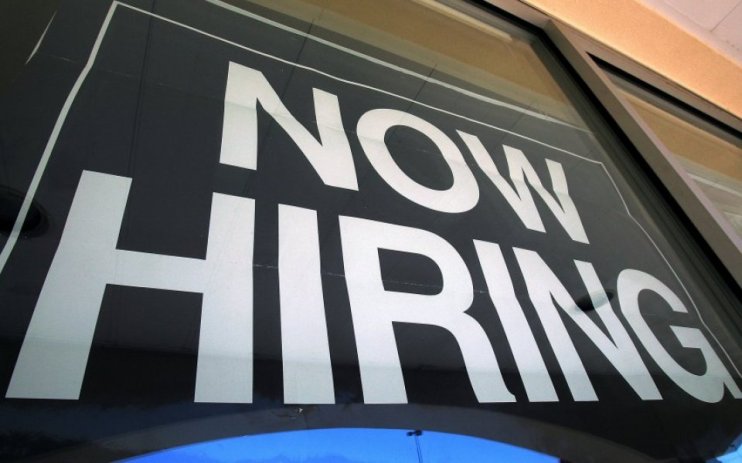
Where is future growth going to come from to bring people back to work? (Getty)

With the economy plunging a catastrophic 20 per cent between April and June, the magnitude of challenges facing UK industries is becoming clearer. A wave of unemployment is likely, and when the furlough scheme officially ends there is no knowing how many people employers will let go. 

Even with additional taxpayer bailouts, there are large segments of the British economy that will not survive — prompting the questions: where is future growth going to come from to bring people back to work?  

Tech has been punching above its weight for years — outstripping much of the economy on growth and job creation before the pandemic. During the lockdown it kept the country going, and now will have a leading role to play in fuelling our national recovery. Consequently, digital skills will become a core component of our way out of the mess — this economy will demand very different talents to the economy that closed back in March.  

Read more:The UK has £10bn skills gap, so investors must back the ‘edtech’ boom

It is estimated that the existing digital skills gap sees the UK lose out on £63bn in GDP every year. As a result of Covid-19, traditional industries are digitalising, new sectors emerging, and our ways of working rapidly changing — that figure is only going to dramatically rise without decisive action.  

There are three core parts of our digital skills strategy that must be prioritised in the wake of this crisis. First, education will need realigning with industry. For stable growth, people must be armed with the skills that employers need. For those leaving further or higher education courses, there is often little to no access to digital skills training. Put bluntly, those graduating from our world-leading universities often do not have basic digital capabilities. Compulsory digital training during the later stages of education would help give Britain’s graduates a fighting chance in a world of work more centred on technology. 

The hurdles facing those in work are only higher. The UK’s approach to lifelong learning has been inadequate — both publicly and privately — with ineffective or insufficient opportunities to develop new skillsets made available by employers or the state. Covid-19 means that lifelong learning cannot be ignored. There is a big role for the private sector to play in funding the reskilling and upskilling of workers with strong coordination from the public sector. There are many organisations that know how to conduct digital skills training — to enhance efforts we should build on the expertise and knowledge within these businesses and the great many education technology organisations that call the UK home. 

Finally, the UK will need to move people from struggling industries into growing sectors. Retail and transport are two areas of the economy where the future looks bleak. Our approach to digital skills will need to be targeted both regionally and at specific sectors to retrain those that the pandemic risks leaving behind in an economy hyper-accelerating its digital capabilities. These three proposals offer practical measures for both the private and public sectors to work together on — to practically implement solutions to our coming unemployment crisis. 

Main image credit: Getty

Read more

Mahmood called for banker bonus tax to fix youth unemployment 

Shabana Mahmood wearing a stylish black jacket, embodying professional elegance in a business setting

Share this article

  • Facebook
  • X
  • LinkedIn
  • WhatsApp
  • Email

Similarly tagged content:

Sections

  • News
  • Opinion

Categories

  • Business
  • Opinion
  • Tech

Related Topics

  • Coronavirus
  • Digital economy
  • Edtech
  • UK jobs, employment and wages

Trending Articles

  • Five-star Mayfair hotel hit with HMRC winding-up petition

  • Nottingham Forest owner Marinakis sues Crystal Palace for defamation

  • Back to basics: Sainsbury’s gradual retreat from the British high street

  • Hargreaves Lansdown orders staff back to office

  • As it happened: Intel, Arm shares slide; Oil climbs higher

More from Morning Wire

  • Mahmood called for banker bonus tax to fix youth unemployment 

    Banking
    Shabana Mahmood wearing a stylish black jacket, embodying professional elegance in a business setting
  • Students urged to rethink idea of a ‘safe job’ as Labour pledges major education reform

    Politics
    Bald man in glasses and a tie kicking a soccer ball on an indoor artificial turf field.
  • Burnham premiership begins with decline in job postings

    Economics
    Andy Burnham, Mayor of Greater Manchester, in a professional setting.
  • Businesses can’t keep waiting for political stability

    Opinion
    Canada boundary dragon statue symbolizing economic uncertainty amidst political instability
  • IMF offers UK modest growth upgrade despite fresh Iran war tension

    Economics
    Rachel Reeves delivering Spring Statement 2026 at UK Parliament, addressing economic policies and fiscal strategies.
  • Burnham has a chance to build trust in AI

    Opinion
    Andy Burnham discussing AI advancements at a business conference podium with delegates in the background
  • Bank of England governor opens door to ‘simplifying’ financial rulebook

    Regulation
    Bank of England Governor Andrew Bailey said cited several indicators that the labour market was softening.
  • Bank of England to hold interest rates as oil price surge threatens UK economy

    Economics
    Bank of England building on Threadneedle Street, London, showcasing its historic architecture and financial significance
MorningWire

Independent European business, markets and political news for decision-makers.

Morning Briefing

Europe

  • Germany
  • France
  • Europe
  • UK & Ireland

Business

  • Markets
  • Banking
  • Technology
  • Energy
  • Property
  • Fintech

Editorial

  • Opinion
  • Editorial Policy
  • Corrections
  • Contact

Company

  • About Morning Wire
  • Privacy Policy
  • Terms of Use
  • Cookie Policy
© 2026 Morning Wire Ltd · Published by Morning Wire Media, Bahnhofstrasse 65, 8001 Zürich, Switzerland
Privacy · Terms · Cookies · Facebook