When it comes to our social care crisis, prevention is the only cure

Matt Hancock has survived his first party conference as the new health secretary, wearing his NHS pin proudly on his lapel.
And top of the list of his departmental priorities is social care. It got a £240m spending boost last week, but that’s not the only approach on the table.
One of Hancock’s recent suggestions is that social care should be funded much in the way that “auto-enrolment” pensions are: with an opt-out system of automatic wage deductions.
Read more: Social care funding crisis could be solved by new pensions-style payments
He is right to focus minds on the necessity of a real solution to long-term care provision. But if the government’s approach to social care is this narrowly based, it is doomed to fail.
The cost of late-life illnesses is increasing inexorably: by 2050, more than 115m people worldwide will have dementia, and the cost per person is likely to be in the region of £100,000.
It is almost inconceivable that the level of contributions the government deems politically acceptable to pare from people’s wages today will be sufficient to meet actual long-term needs.
Treating the social care question as one of money alone creates an almost bottomless pit of need – and there is neither the political means nor popular appetite to fill it. Perhaps more importantly, it also reinforces the perception that spiralling social care costs are an inevitable part of growing old, when in fact many older communities live healthily well into old age.
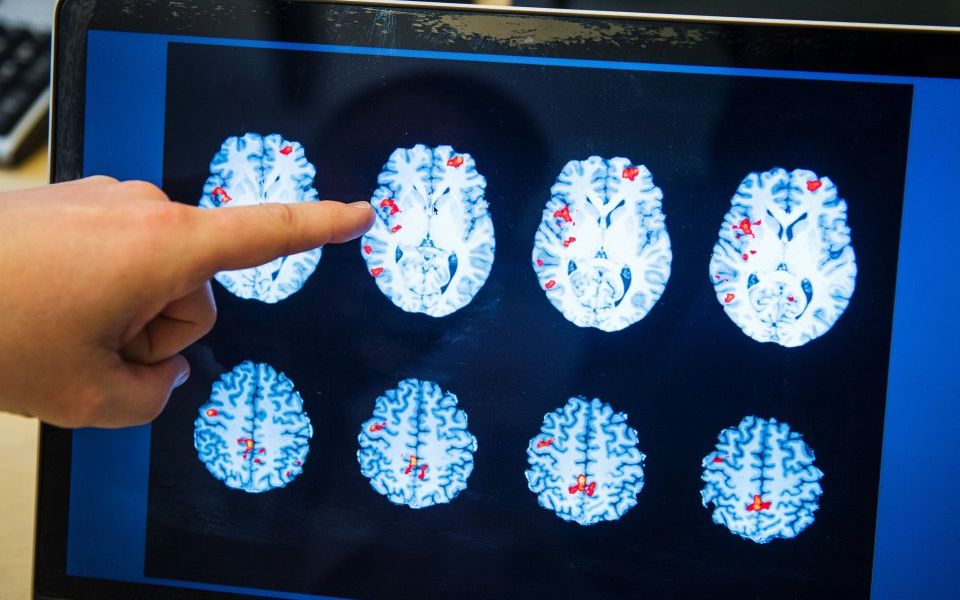
There is now overwhelming clinical evidence that dementia can be prevented through lifestyle interventions. As such, Britain should be considering an approach that encourages people to adopt healthier lifestyles today, which evidence shows can keep us well for longer, and thereby reduce the burden on the state and unpaid carers.
Why not adopt a “Care Miles” system, in which people offset their future expenditure on social care by adopting healthy habits in earlier life?
This would create an incentive for improvements in the national diet, attitude to exercise, and sleep hygiene.
Behaviours ranging from regular exercise and the purchase of healthy food to attending wellness events and monitoring sleep could all be tracked (primarily through wearable technology), to earn government-funded credits that pay for care in later life.
This mechanism would empower the individual, giving responsibility to each of us to adopt healthier habits.
This lifestyle-focused approach to prevention should be twinned with more effective use of data to improve our understanding of dementia, and how it can be treated. Until now, most of the invaluable data recording patient and carer interactions has been paper-based. Now it is increasingly moving into digital formats that will allow researchers to better understand both means of prevention and treatment.
We know from our own data collection that at least 70 per cent of our care clients have some form of dementia. The brain health data we collect around the clock provides detailed insight into the impact of lifetime habits. We are developing this into a data facility to improve the standard of live-in care.
Better understanding of dementia and how it can be treated is the only way we can solve the social care crisis. That means improving medical knowledge, but it must also be rooted in popular understanding of brain health and what can be done to reduce the risks.
Hancock’s proposed auto-enrolment system suggests that the onus should be taken away from people. We need the opposite scenario: people who are proactive about their long-term health and understand how dementia and associated diseases can be prevented.
The government is suffering from cognitive dissonance – on the one hand, policies are increasingly focused on reducing access to treatments for lifestyle-induced illnesses such as obesity; on the other, the greatest healthcare challenge of the age is being denied its true origins, the lifestyle choices of today’s consumers.
The truth is that social care will remain unaffordable unless we reduce demand on the system. Prevention is really the only cure.
Read more: The government has a new plan to fund social care after 'dementia tax' row