Coronavirus has reshaped urban mobility but the biggest challenge remains Climate Change
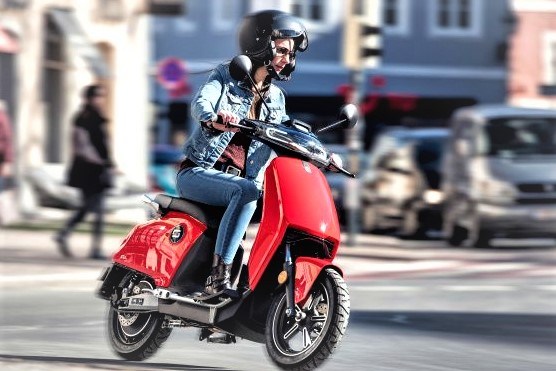
The argument for small, environment-friendly personal transport has been growing stronger for some time. This was true even before the Coronavirus pandemic required us to socially distance, and the government urged us all to “consider all other forms of transport before using public transport”; thus marking a reversal of the long-standing encouragement to use trains and buses ahead of private vehicles.
The challenge
Whilst there are a number of alternatives to public transport, some clearly have a greater detrimental impact on the environment than others. Walking, jogging or cycling provide healthy ways of getting about town, although distances are limited. Most cars still use petrol or diesel and not only pollute our air but also clog up our city streets. Whilst electric or hybrid cars can alleviate the impact of the former, they are still expensive to buy and do nothing to help the latter.
Other options to move about our towns and cities need to be explored, and indeed this is starting to happen in Oxford, Nottingham and York. They are striving to alleviate the key problems of congestion and air pollution by focusing on significantly reducing the number of vehicles in city centres, as well as ensuring those that remain are as clean and green as possible. At the same time, they are improving the range and attractiveness of alternative options, such as cycling and walking.
Other councils must follow suit if we are to meet the government’s target to become carbon-neutral by 2050 at the latest, but more needs to be done to encourage the use of affordable e-vehicles by those who do not want, or are not able to walk or cycle into and around town.
So, what are the alternatives?
Electric mopeds, motorcycles and e-bikes have become established as affordable, practical and fun means of getting about town in many European countries. In a country where our answer to solving transport issues has been to add extra lanes to motorways, is it any surprise that we in the UK are lagging behind? However, interest and adoption were increasing even before Coronavirus.
Owning a car has obvious benefits, but people are now considering whether there is a need for more than one per family. A clean, easy to ride electric moped or e-bike is becoming an ever more attractive proposition to a population who have had a taste of a noticeably fresher and healthier atmosphere, more birdsong and bluer skies: some of the very few benefits of lockdown.
Ride-on!
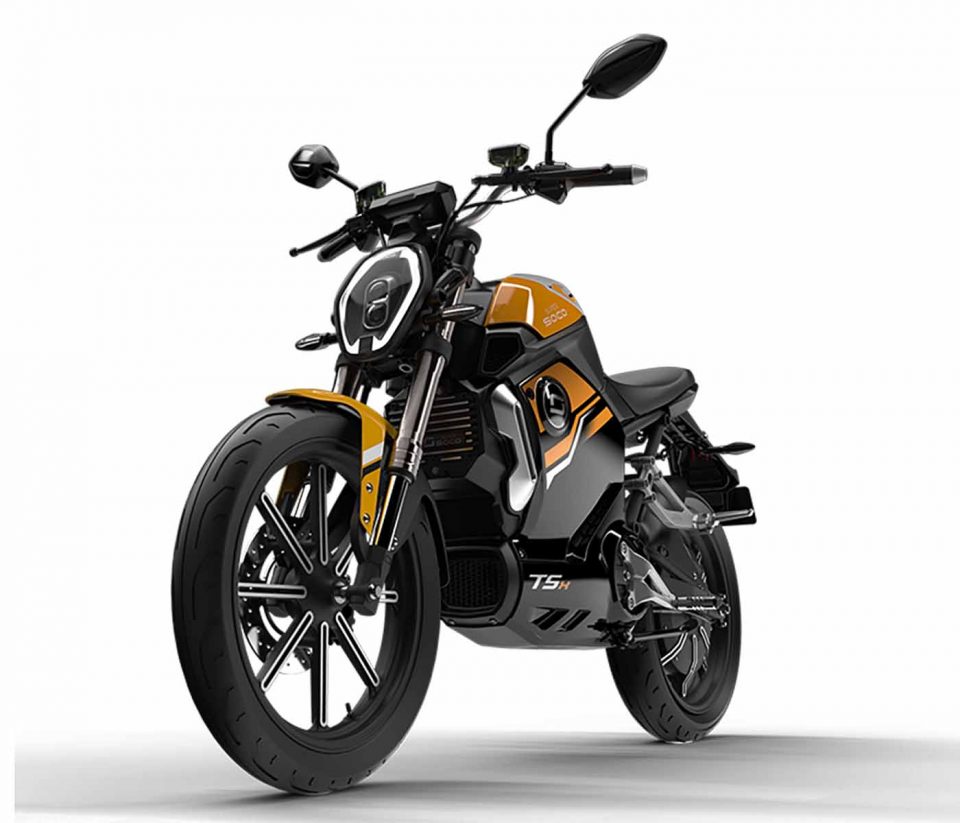
Electric mopeds and motorbikes are very simple to ride: there are no gears or clutch, a gentle turn of the throttle and away you go. Most vehicles have removeable batteries, which makes charging at home (particularly if you live in a flat) or office easier. Maintenance is cheaper than for petrol equivalents as there are fewer moving parts, and most machines have inbuilt tracking capability as well as an alarm for added security. Range is typically between 30 – 80 miles on a single charge – easily sufficient for most journeys in and around town, and not just for commuting but also for popping out to shops, restaurants, visits to friends and other local trips.
E-bikes which are restricted to 15.5mph (known as pedelecs) are allowed to use cycle lanes. They require the rider to pedal in order to take advantage of the assistance of a small electric motor, so also bring health and lifestyle benefits. Those which are not restricted to 15.5mph (Speed or S-pedelecs) are classified as mopeds, cannot use cycle lanes and come with the additional costs of insurance, registration and the need for a motorcycle helmet.
The remaining option is the stand-up scooter which may have its place over short distances and is soon to be trialled in London and other cities – but the jury is out on their efficacy.
What now?
There is now both an opportunity and a need for government and local councils to produce well thought out, integrated transport systems tailored to the challenges and needs of their own town or city. These systems must include the provision of space on the roads and adequate parking and charging for clean, electric mopeds and motorcycles alongside pedestrians, cyclists and e-cyclists.
Coronavirus has forced us to adapt our travel habits for the short-term, but Climate Change is forcing us all to rethink the fundamentals of how we choose to live our lives: what we eat, where we holiday and how we get there, how and where we work, and how we travel locally. For this last, electric mopeds, motorcycles and e-bikes offer cost effective, credible solutions that we should all be considering.
envoRide are passionate about promoting the benefits and virtues of small, environment-friendly personal transport.
We would be delighted to offer you a test ride at a safe place of your choosing to allow you to experience our fabulous electric machines. Should you decide to buy, we bring the bike to your home or office ready to ride, and provide a comprehensive, personal handover.
If you would like more information about owning an electric moped, motorcycle or e-bike, please call us on 0333 445 0381 or visit: www.envoride.com