Cost of complexity: Britain’s tax relief chaos is even overwhelming HMRC

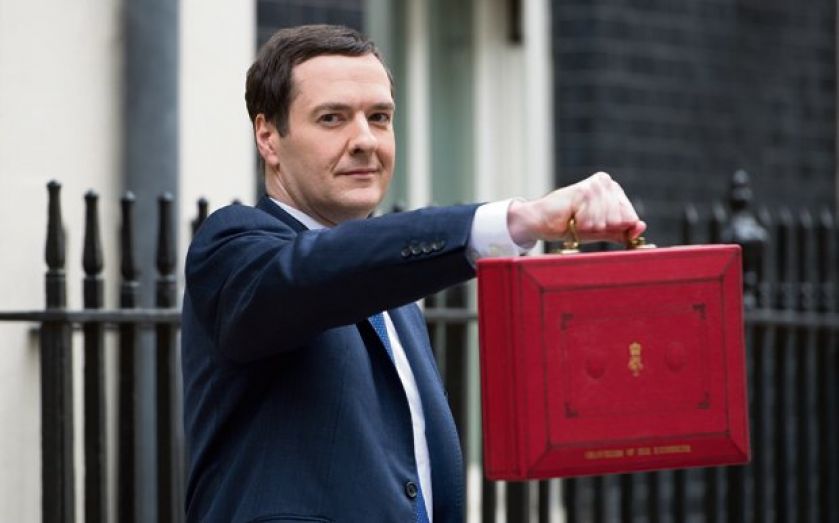
HOW CAN HMRC be expected to administer Britain’s chaotic tax system if politicians keep passing so much legislation? Despite George Osborne frequently stating his preference for simpler taxes, last year’s Finance Bill was the second longest ever at 646 pages. There have only been five Finance Acts longer than 600 pages, and the coalition is responsible for three.
But if we’re to have any chance of restoring some sanity to UK taxation, HMRC needs to produce reliable information so that lawmakers can better understand how their latest tax cut, rise, reform or relief is working, and by how much tax receipts have increased or decreased. Without knowing how the last policies they implemented are working, how can we expect them to produce better ones next time they tinker?
The problem is that administrating this mess is a daunting task. Earlier this year, the Public Accounts Committee said the Treasury and HMRC are unable to cope with the demands of managing the ever-growing list of tax reliefs. The Office of Tax Simplification (OTS) currently lists 1,140 on its website and next week’s Autumn Statement could well add to that number. While an OTS report led to the abolition of 43 reliefs in 2011, 134 more have been added since.
Sometimes reliefs work as intended, but they generally mean complexity and opacity. Incentives are created, as are opportunities for avoidance. Many of the “aggressive” avoidance schemes we have read so much about have their roots in reliefs designed to favour industries the government considers fashionable.
VAT reliefs are potentially the most difficult to tackle politically. The government would struggle to justify ending the zero-rating for VAT on supplies to build new homes, given the exorbitant cost of housing, even if it did raise the extra £8bn HMRC says it would. Others are downright daft – why is no VAT levied on cream gateaux but 20 per cent is levied on ice cream gateaux?
But such quirks can have serious unintended consequences. Film tax relief was forecast to reduce revenues by £30m in its first three years but, by 2006, it was worth £700m a year. It took 10 years for the Treasury and HMRC to amend the relief and fix its poor design.
Last week, the National Audit Office published a report looking at HMRC’s management of tax reliefs and the verdict was not good. Its approach was found to be inconsistent and fragmented, and it was judged to provide insufficient reliable information to the public or Parliament. Often no information on revenue losses is available at all. Even when revenue costs are available, figures are often accompanied with the caveat that estimates are “particularly tentative and subject to a wide margin of error.”
The wide margins of error are not just reserved for relatively minor reliefs. Entrepreneurs’ relief from capital gains tax has risen by more than 500 per cent since its introduction in 2008-09. The revenue cost was £2.9bn in 2013-14, three times greater than forecast, and just 35 per cent less than the total revenue of the tax it offers relief from. Even after factoring in the higher headline capital gains tax rates imposed by the coalition, there have been so many policy changes to the relief that HMRC hasn’t been able to properly investigate the causes of the huge underestimate.
But even when abuses of reliefs are detected, HMRC is often slow to react. The amount of claims against taxable income for “share loss relief” jumped from £385m to £1.2bn in a single year, but this was only detected in 2013 as part of a one-off exercise. Almost all the increase was found to be the result of avoidance schemes.
It’s debatable whether myriad reliefs are the product of high rates or it’s the other way round. But the two need to be addressed simultaneously. Not all reliefs are bad and some are politically difficult to eliminate. But the UK needs to move towards the simpler, flatter system put forward by the 2020 Tax Commission.