Could inheritance tax make chips an expensive luxury?

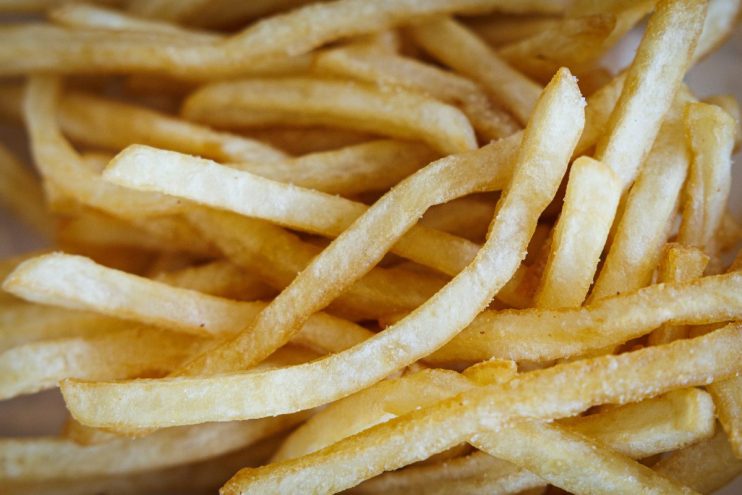
Inheritance tax for farmers is often framed as an issue for landowners but if it leads to a loss of potato-growing land this could trigger sharp increases in the price of chips, says Sarah Jordan
Could chips become the new caviar? It sounds absurd, but looming changes to inheritance tax (IHT) for farmers could transform this cheap staple into an unaffordable luxury. While the reforms are often framed as a tax issue for landowners, the reality is that they could shrink UK farmland, increase reliance on imports, and push up prices across essential foods – all of which would hit the average household hard.
These reforms have the potential to wreak havoc on food production, affordability and sustainability. With inflation already squeezing household budgets, the prospect of additional price hikes on key staples is a serious concern for both consumers and farmers alike.
At the heart of the issue is the risk of farmland loss. The UK produced around 4.5m tonnes of potatoes in 2023, largely meeting domestic demand. However, the proposed IHT changes could force farmers to sell off land, either to meet tax liabilities or because the reforms make passing farmland down to the next generation financially unfeasible or unattractive. If even, say 10 per cent of potato-growing land were lost, this could translate to a 10 per cent drop in domestic supply.
Because potatoes are a necessity with inelastic demand (meaning people will still buy them even if prices rise), even small reductions in supply can trigger sharp price increases. Ecconomic models suggest that a small drop in potato supply could result in a sharp increase in prices at the wholesale level. After factoring in transport, retail markups, and import costs, this could plausibly mean a sharp rise in the price of potatoes and potato-based products – from supermarket bags of spuds to the classic Friday night fish and chips takeaway. And it’s not just potatoes – milk, bread, apples, beef – all of the everyday items in the shopping basket could be hit.
Imports come with higher costs
What’s clear here is that this isn’t just about tax policies on wealthy landowners. A reduction in UK-grown food means more imports, which come with higher transportation costs and increased exposure to global price fluctuations. It also undermines the UK’s sustainability efforts by increasing carbon emissions associated with food imports.
One might assume that if the UK produces less food, supermarkets can simply import more. But that approach comes with steep costs. Road transport within Europe costs £30-£50 per tonne per 100km, while sea freight for larger shipments can range from £1,000-£3,000 per container. These costs inevitably get passed on to consumers. There are also perishability issues. Fresh produce like potatoes, milk and beef require temperature-controlled transport, which adds significant expense.
We have to ask how much more we want to expose ourselves to supply chain vulnerabilities. Recent disruptions, from Brexit to global conflicts, have demonstrated the risks of relying too heavily on imports for essential goods.
By reducing the UK’s ability to produce its own food, these IHT changes could lock the country into a cycle of rising costs and reduced food security. It’s already a dicey business to be in.
The proposed changes could accelerate the decline of British farming, making the UK more dependent on foreign food supply chains and putting further financial strain on consumers. With food prices already a top concern for households across the country, can the UK really afford a policy that risks making everyday groceries even more expensive?
If these changes go ahead, the humble plate of chips may no longer be an affordable treat. Instead, it could become a symbol of how tax policies, when miscalculated, can hit every household – not just farmers.
Sarah Jordan is partner and head of rural law at law firm Moore Barlow