Skip to content
Wednesday 12 August 2026London --:--Frankfurt --:--Zurich --:--
NewslettersSearchEN · DE
MorningWire

European business, markets and politics

FTSE 100
10,844.19
-0.17%
DAX
26,391.42
0.00%
CAC 40
8,714.94
0.00%
STOXX 50
6,551.22
0.00%
  • Europe
  • Markets
  • Business
  • Economy
  • Technology
  • Politics
  • Opinion
More
GermanyFranceBankingAIEnergyFintechPropertyCapital Markets
  • Germany
  • France
  • Europe
  • Markets
  • Business
  • Economy
  • Technology
  • Politics
  • Opinion
  • DE
Saturday 23 March 2024 8:39 am  |  Updated:  Friday 22 March 2024 3:32 pm

Covid-19 anniversary: How have GSK and Astrazeneca fared since?

By: Rupert Hargreaves

Add as a preferred source on Google
It's been four years since the UK went into its first Covid-19 lockdown.

It’s been four years since the UK went into its first Covid-19 lockdown. Since then, the world has changed dramatically. The investment landscape has also changed dramatically.

The pandemic upended traditional working practices, and investors were quick to take note.

They sold holdings in real estate investment trusts with exposure to offices while buying tech stocks with exposure to the changing landscape of work.

The Covid-19 pandemic also ignited interest in the pharmaceutical sector. Even before the UK went into lockdown, the sector was looking for ways to fight the virus.

From vaccines to build immunity to the virus to drugs that would help victims fight off the infection in hospitals, the sector had a key role.

The UK’s leading pharmaceutical companies, GSK and Astrazeneca, both played a role in the battle against Covid-19, but how have they fared since?

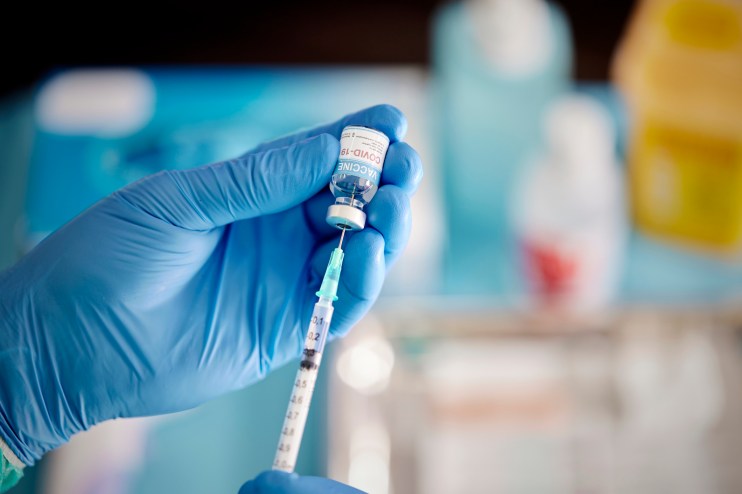
Astrazeneca led the fight against the virus with its vaccine, developed in conjunction with Oxford scientists. Within a year of successful trials, the company had delivered 2bn doses of the treatment.

At the same time, the group was spending heavily on its oncology portfolio. It has bought several companies, the biggest of which was Alexion Pharmaceuticals in the US.

The new treatments acquired and developed will bring in billions of pounds in revenue for the group over the next few years, and it does not look as if the business will stop growing anytime soon, which should support earnings and dividend growth in the years ahead.

As Steve Clayton, head of equity funds at Hargreaves Lansdown noted: “This combination of developing their own research pipeline and then buying and selling smaller companies or development candidates from their existing portfolio has been a particular feature at Astrazeneca.

Read more

Vapoura Rum: The new English rum taking on the market

Vinyl records and Vapoura bottles arranged on a wooden shelf, showcasing a blend of music and vintage decor elements
 Vials labelled "AstraZeneca COVID-19 Coronavirus Vaccine" and a syringe are seen in front of a displayed AstraZeneca logo in this illustration taken March 10, 2021. REUTERS/Dado Ruvic/Illustration/File Photo
Vials labelled “AstraZeneca COVID-19 Coronavirus Vaccine” and a syringe are seen in front of a displayed AstraZeneca logo in this illustration taken March 10, 2021. REUTERS/Dado Ruvic/Illustration/File Photo

“Managing their portfolio in this way helped the group to maintain and grow its dividend, until the cash flows from its major new cancer drugs had built up. This commitment to the dividend has been in contrast to GSK, who have recently cut their payout to shareholders,” Clayton added.

“Along the way it has grown its revenues by almost 100% in the last decade, with profits nearly doubling. Shareholders have done well, too. Dividends have been held or grown every year and the share price has more than doubled in ten years.”

At the other end of the spectrum, GSK has been focused on developing new medicines and vaccines.

These have yet to pay off, but the company has reported a pipeline of 71 assets is predicted by GSK to contain at least 12 major new products to be launched from 2025 onwards.

Despite their efforts to grow post Covid-19, both GSK and Astrazeneca have missed one of the biggest opportunities in the pharma sector in recent years—weight loss drugs.

Novo Nordisk of Denmark has grown to be Europe’s most valuable company due to the successes of weight loss drugs Ozempic and Wegovy.

While new products could take up to a decade to develop, GSK and Astrazeneca could decide to get involved. Even if they don’t, its been a long time since the sector looked so attractive.

As Steve Clayton explained: “We expect there will be a scramble by the big pharmaceuticals firms to acquire smaller rivals with promising GLP-1 [weight loss drugs] candidates under development as they try to catch up.

“With robust cash flows coming from their existing portfolios AZN and GSK have the firepower to get involved if they see the right opportunity. It’s been a long time since the pharmaceutical sector looked so interesting and the only certainty is that there will be changes ahead.”

Read more

UK debt ‘hits £3 trillion’ milestone

Houses of Parliament in Westminster showcasing historic architecture under a clear sky, central to UK government and politics

Share this article

  • Facebook
  • X
  • LinkedIn
  • WhatsApp
  • Email

Similarly tagged content:

Sections

  • News

Categories

  • Business

People & Organisations

  • Astrazeneca
  • GSK

Related Topics

  • AstraZeneca
  • GSK

Trending Articles

  • Five-star Mayfair hotel hit with HMRC winding-up petition

  • Nottingham Forest owner Marinakis sues Crystal Palace for defamation

  • Back to basics: Sainsbury’s gradual retreat from the British high street

  • Hargreaves Lansdown orders staff back to office

  • As it happened: Intel, Arm shares slide; Oil climbs higher

More from Morning Wire

  • Vapoura Rum: The new English rum taking on the market

    Life&Style
    Vinyl records and Vapoura bottles arranged on a wooden shelf, showcasing a blend of music and vintage decor elements
  • UK debt ‘hits £3 trillion’ milestone

    Economics
    Houses of Parliament in Westminster showcasing historic architecture under a clear sky, central to UK government and politics
  • Hargreaves Lansdown orders staff back to office

    Investing
    Hargreaves Lansdown financial services office exterior with company logo prominently displayed on modern building façade
  • London workers most exposed to AI jobs cull

    Economics
    London skyline with modern skyscrapers and lush green foliage in foreground on a clear day, highlighting urban nature balance
  • Football may not come home but US investors will still cash cheques here

    Sport Business
    GettyImages 2278935920 likely depicts a relevant scene or subject based on the unspecified context provided in the article.
  • Brits dodge the high street as heatwave boosts online shopping

    Retail
    Shoppers carrying various retail bags, including New Look and M&S Food, on a paved street, indicating retail sales activity.
  • State-backed pension scheme plans to pump £1bn into start-ups

    Investing
    City economists have warned that the triple lock pension is unsustainable and unaffordable given the state of the UK's public finances.
  • Singapore on Thames or the Sick Man of Europe?: The Economics of Brexit Ten Years from the Referendum 

    Opinion
    UK-EU Brexit negotiations meeting with officials discussing trade agreements and policy impacts in a formal conference room
MorningWire

Independent European business, markets and political news for decision-makers.

Morning Briefing

Europe

  • Germany
  • France
  • Europe
  • UK & Ireland

Business

  • Markets
  • Banking
  • Technology
  • Energy
  • Property
  • Fintech

Editorial

  • Opinion
  • Editorial Policy
  • Corrections
  • Contact

Company

  • About Morning Wire
  • Privacy Policy
  • Terms of Use
  • Cookie Policy
© 2026 Morning Wire Ltd · Published by Morning Wire Media, Bahnhofstrasse 65, 8001 Zürich, Switzerland
Privacy · Terms · Cookies · Facebook