Crisis, debt and a £46bn bailout: Inside Natwest’s return to private ownership

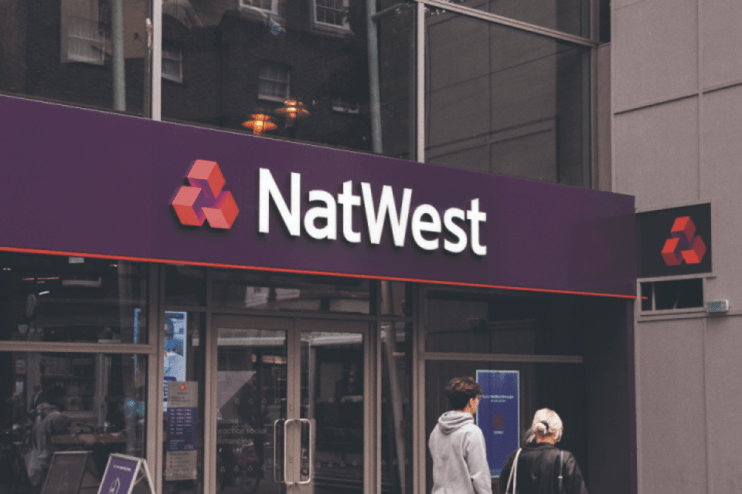
Natwest is set to end one of British banking’s longest running sagas, as the lender stands inches away from returning to private ownership for the first time in nearly two decades.
The FTSE 100 giant has whittled the UK government’s share in the bank to under three per cent, with a full exit expected in the coming weeks.
The government’s stake stood at 38 per cent at the start of 2024 but capital returns including two directed buybacks helped rapidly reduce the figure.
Speaking to shareholders at the group’s annual general meeting on Wednesday, chief executive Paul Thwaite said: “The accelerated sell down over the last 18 months is testament to the performance of the business and has helped us to attract new global investors who share our growth ambitions.”
“There is no doubt that this moment matters,” Thwaite told investors.
The government’s stake dates back to the 2008 global financial crisis, where Natwest, then under the Royal Bank of Scotland (RBS) moniker, recorded a £24.1bn loss due to its exposure to subprime mortgage markets and other risky assets.
The bank’s balance sheet had ballooned to over £2 trillion, more than double the size of the UK’s GDP.
This inflation was partly due to the ill-fated acquisition of ABN Amro in 2007, which added substantial debt and risk to the bank’s portfolio.
RBS – once one of the largest banks on the planet – faced collapse amidst the crisis.
Natwest shares tanked 96 per cent in two years
Between the beginning of 2007 to the beginning of 2009, the firm’s shares tanked 96 per cent.
The stock climbed to a decade high of 478.80p in April, a figure that remains drastically dwarfed by pre-financial crisis highs of 5,236.28p.
In order to stabilise the lender, the government intervened with a £45.5bn bailout and acquired a majority stake of around 80 per cent.
The package was blasted for using taxpayer funds to prop up failing banks, and stoked fears the cash would lead to increased public debt and future instability.
The Office for Budget Responsibility (OBR) calculated in 2021 that the intervention had cost the government £35.3bn, reflecting the difference between the amount spent on the rescue and the amount it was able to recoup by selling its stake over time.
However, it added losses faced on the Natwest rescue were offset by gains on other financial institutions or assets that were a part of the broader bailout strategy.
Up until 2022, the taxpayer was still the majority shareholder in the company. The government sold a chunk of its shares in March 2022, taking its stake to 48.1 per cent.
Natwest was not the only bank to be bailed out. The government injected £20bn into Lloyds and took a 43 per cent stake.
But, it sold its last stake in May 2017 marking the lender’s exit as a partially state-owned enterprise. A sale of less than three per cent now stands between Natwest and joining them in private ownership.
Government has been ‘positive and patient’ shareholder
Dan Coatsworth, investment analyst at AJ Bell, told Morning Wire: “All companies on a stock market are run for the benefit of shareholders. Over the years, the shareholder base is likely to move around as some investors come and go. That’s perfectly normal.
“Where differences lie is in the level of involvement for certain shareholders. Some are happy to let a company get on with its day-to-day business, others might use a large shareholding to try and influence corporate strategy.”
The government had been “positive and patient through the investing years,” Rick Haythornthwaite, chair of Natwest Group, said during the firm’s AGM on Wednesday.
He added: “We remain grateful to the government, and to the UK taxpayers, for their intervention and support, which protected millions of savers, homeowners and businesses at a time of global crisis.”
Coatsworth said: “We don’t know if it has been hands-on or stayed at arms’ length, but it’s fair to suggest that Natwest has followed the same path as other UK banks since the global financial crisis.”
Gary Greenwood, equity analyst at Shore Capital, said the government’s full withdrawal would be “largely symbolic as it brings to a close the bail-out.”
Whilst he doubted any material change in group strategy, he added Natwest remained a “politically sensitive bank given its importance to the UK economy.
“Although there may be a perception that the risk of government interference has reduced.”
The Prudential Regulation Authority, rather than the government, has been “the driving force for the sector to improve financial strength so as to be able to better cope with any shocks in the future,” Coatsworth said.
With the government set to close the curtain on its £45.5bn rescue plan, Natwest may breathe a sigh of relief ditching its final tangible reminder of the financial crisis.
Thwaite said the milestone mattered “for the UK as it helps turn the page on the global financial crisis,” which may have provided a sweeter sentiment if global economies weren’t walking on a knife’s edge over recession.
Should a tariff-induced meltdown consume global economies, as the IMF indicated, Natwest will be back in private ownership to witness it – and this time, it will hope, from the spectator stands.