The Debate: Should London make its public transport free?

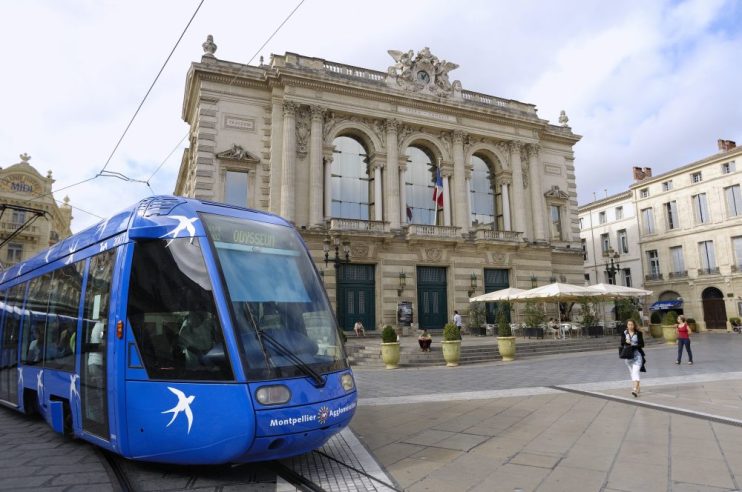
Morning Wire’s new weekly feature takes the fiercest water-cooler debates and pits two candidates head to head before delivering The Judge’s ultimate verdict. This week: after Montpellier has announced free transport passes for all, would London benefit from a fare-free bus, rail and tube system?

Yes: Free buses would boost struggling high streets and help more people get back into the office
Ask anyone on an iconic London bus what makes them proud of Britain and the answer will be the same — the NHS. The principle is simple. Healthcare is so essential that you shouldn’t be forced into debt or illness by having to pay for it, and it shouldn’t be sold for profit.
Just like good health, good public transport is essential – taking people to work, school, hospital and the local shops. London’s buses are already miles better than other cities in the UK. Now it’s time for the next improvement to maintain London’s reputation as a world leader – free fares.
Other voices will cry that it is impossible, but public transport is already free in over 100 cities It isn’t as expensive as you might think: the cost of making buses free in England is just £3bn – less than a third of the £10bn spent each year on roads which are themselves free at the point of use.
Free buses would boost struggling high streets, push people back to the office and help unemployed people return to work. Reports suggest going fare free would up journeys taken by 23 per cent. Easy public transport encourages people to leave the car at home too, helping stabilise the climate and secure future growth.
We’ve been here before. Sheffield’s local financing supported a price freeze that nearly brought fares down to zero, before privatisation in 1986 saw them trebled overnight. Dunkerque, in France, introduced free public transport to help end a ‘demographic haemorrhage’ and boost a struggling post-industrial economy.
Now Montpellier is showing what’s possible when passengers are put before profit. For London it’s a no brainer to unlock growth in our economy. We have free healthcare and schools – why not free buses?
Matthew Topham is lead campaigner at We Own It

No: The cost to each household could be £1,500 a year, whether they take the tube or not
London is congested and public transport fares are expensive. It’s easy to see the appeal of ‘free’ travel on the Montpellier model. But Montpellier, a city of 250,000 people, has some buses and trams. London has a population of around 9m, with many millions more served by Transport for London as commuters and visitors. It has buses, trams, waterbuses, the Docklands Light Railway and a huge rail and underground system, much of it well over a century old and costly to run and maintain.
To make travel free we’d need to replace about £5.5bn annual fare revenue. If that all came from Londoners, it would cost each household about £1,500 – whether they use public transport or not. Many do not, through choice, inconvenience, age or infirmity. If we continued to charge non-residents, as in Montpellier, that might come down closer to £1,000 a household. The downside is that we lose possible savings in fare checking.
Without fares we have little indication of the real strength of demand. People could hop onto buses for short journeys when they could walk, which is fine for them, but swells the number of buses needed even if the value of short hops is trivial. And people will take tubes when they could cycle. With artificially hiked demand, there will be a constant political battle for greater subsidies from local and central government, probably at the expense of more pressing needs such as housing or schools. The power of transport unions, already too great in London, would increase further as there would no longer be customer pressure to keep fares down.
The idea is, or should be, a non-starter.
Professor Len Shackleton is an editorial and research fellow at the Institute of Economic Affairs
The verdict: Morning Wire is enticed by potential pedestrianisation
Montpellier in southern France recently followed announced free public transport passes for residents. The sunny city’s suave electric trams and buses have been gratuit as of 21 December (it doesn’t have a metro).
Dreamy, but we must be realistic. Free transport doesn’t actually come free. Shackleton helpfully outlines the likely cost per household annually of free rides, calculating it at £1,500. This might seem a lot – unless you commute in London where you will be only too aware of paying £1,600-4,000 a year as things stand. The difference is that even if you didn’t take the bus, you would still be paying under a ‘socialist-style’ scheme.
Yet in Montpellier, a business tax props up the giveaway not users, though the whole shebang is cheaper (a single typically costs €1.60). Taxing firms could negate any boon received from extra bussed-in shoppers . However, what’s inarguable are the climate pros of getting people out of cars and into shared carriages, as Topham points out.
Northern cities have already been shifting towards cheaper fares and, come to think of it, fewer cars would give us a chance to redesign London for the better. Let’s make the tube free – and pedestrianise our roads and repopulate the streets while we’re at it.